
Where East Meets West
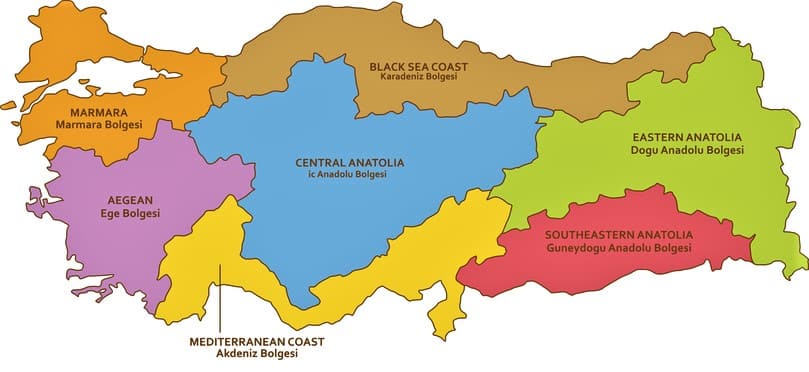
Straddling the crossroads of Europe and Asia, the Republic of Turkey is a transcontinental nation that offers a captivating blend of traditions, landscapes, and modernity. From the cosmopolitan charm of Istanbul to the ancient ruins of the Aegean and the rugged eastern plateaus, Turkey presents a multifaceted experience. With seven official geographic regions, each hosting a distinct ecosystem and culture, Turkey’s regional diversity is unmatched in the Mediterranean basin.
The Seven Geographical Regions of Turkey
1. Marmara Region: The Economic & Cultural Powerhouse
Anchor City: Istanbul
Other Notables: Bursa, Edirne, Tekirdağ
Key Features:
The Bosphorus Strait: dividing Europe and Asia
Historic landmarks: Hagia Sophia, Topkapi Palace, Blue Mosque
Major commercial and financial hub
Airports: Istanbul Airport (IST), Sabiha Gökçen (SAW)
This region is home to Istanbul, Turkey’s most populous city and its historical, cultural, and economic epicentre. Marmara connects Europe to Asia and is integral to trade, industry, and global tourism.
2. Aegean Region: Cradle of Antiquity
Anchor City: İzmir
Other Notables: Bodrum, Kuşadası, Çeşme, Ayvalık
Key Features:
Home to the ruins of Ephesus and Pergamon
Olive groves and vineyards dominate the rural economy
Popular with expats and second-home buyers
Airports: İzmir Adnan Menderes, Bodrum-Milas
The Aegean coastline is famed for its turquoise waters, ancient cities, and vibrant tourism. Bodrum and Kuşadası attract international yacht-goers and history lovers alike.
3. Mediterranean Region: The Turkish Riviera
Anchor City: Antalya
Other Notables: Alanya, Kalkan, Belek, Side, Mersin
Key Features:
Mediterranean climate: hot summers, mild winters
Major tourism magnet with high-end resorts
Golf capital of Turkey: Belek
Airports: Antalya International, Dalaman
This region is a haven for beachgoers, golf tourists, and real estate investors targeting short-term lets and retirement homes.
4. Central Anatolia: The Historical Heartland
Anchor City: Ankara (Turkey’s capital)
Other Notables: Konya, Eskişehir, Kayseri, Nevşehir
Key Features:
High plateaus and semi-arid steppe landscapes
Cappadocia’s fairy chimneys and underground cities
Political and administrative nucleus
Airports: Ankara Esenboğa, Kayseri Erkilet
Cappadocia’s unique topography is globally recognised, attracting adventurers and culture seekers alike with hot air balloon experiences and cave hotels.
5. Black Sea Region: Turkey’s Green Belt
Anchor City: Samsun
Other Notables: Trabzon, Rize, Giresun, Amasya
Key Features:
Humid climate with lush forests and tea plantations
Scenic coastal roads and mountainous interiors
Strong Laz and Pontic Greek cultural remnants
Airports: Trabzon, Samsun-Çarşamba
This region is less developed for mass tourism but beloved by nature enthusiasts and domestic tourists.
6. Eastern Anatolia: Mountain Majesty and Rugged Frontiers
Anchor City: Erzurum
Other Notables: Van, Ağrı, Kars, Elazığ
Key Features:
Host to Mount Ararat—the nation’s highest peak
Harsh winters and sparsely populated terrain
Deep-rooted Armenian, Kurdish, and Ottoman histories
Airports: Van Ferit Melen, Erzurum
Eastern Anatolia is under-explored yet historically significant—perfect for archaeological interest and authentic village experiences.
7. South-eastern Anatolia: Cradle of Civilisations
Anchor City: Gaziantep
Other Notables: Şanlıurfa, Diyarbakır, Mardin
Key Features:
Culinary capital: home of baklava and kebabs
Ancient cities and religious landmarks (e.g., Göbekli Tepe)
Dynamic blend of Arab, Kurdish, and Turkish cultures
Airports: Gaziantep Oğuzeli, Şanlıurfa GAP
This region is a tapestry of faiths, languages, and ancient heritage sites—ideal for historical exploration and cultural immersion.
Major Airports and Travel Infrastructure
Turkey is one of the most connected travel hubs in Eurasia. Key airports include:
Istanbul Airport (IST) – One of the world’s largest and busiest international airports
Sabiha Gökçen (SAW) – Serving Asian Istanbul and regional connections
Antalya International (AYT) – Gateway to the Turkish Riviera
İzmir Adnan Menderes (ADB) – Coastal access to the Aegean
Dalaman Airport (DLM) – Popular among tourists bound for Fethiye and Marmaris
An extensive high-speed rail network and modern motorway system further improve domestic accessibility.
Key Tourist & Investment Destinations
Istanbul – Historical landmarks, Bosphorus cruises, and business travel
Cappadocia – Hot air ballooning, cave hotels, and troglodyte cities
Ephesus – UNESCO-listed ancient Greek and Roman ruins
Bodrum & Kuşadası – Coastal resorts with marina culture
Fethiye – Adventure tourism and expat-friendly lifestyle
Antalya & Alanya – High-yield rental markets and resort living
Side – Roman architecture and tranquil beaches
Şanlıurfa & Göbekli Tepe – Cradle of Neolithic civilisation
Fascinating Facts About Turkey
Home to Göbekli Tepe, the oldest known temple in human history (~9600 BC)
Cultural mosaic: influences from Hittite, Greek, Roman, Byzantine, and Ottoman civilisations
Produces 75% of the world’s hazelnuts
Hosts two of the Seven Wonders of the Ancient World: Temple of Artemis and Mausoleum at Halicarnassus
Known for thermal spa resorts, especially in Pamukkale
Why Geography Matters
Turkey’s seven-region system is more than cartographic convenience—it represents centuries of evolution shaped by trade, conquest, religion, and natural forces. Whether you’re a property investor, cultural explorer, or international buyer seeking Golden Visa routes or tax benefits, understanding Turkey’s geography gives you a strategic edge.
From Istanbul’s metropolitan vibrancy to the stillness of Lake Van, each region offers a unique investment or travel proposition. This deepened geographic knowledge equips you to make informed, culturally enriched decisions across the full spectrum of real estate, tourism, or strategic relocation.