

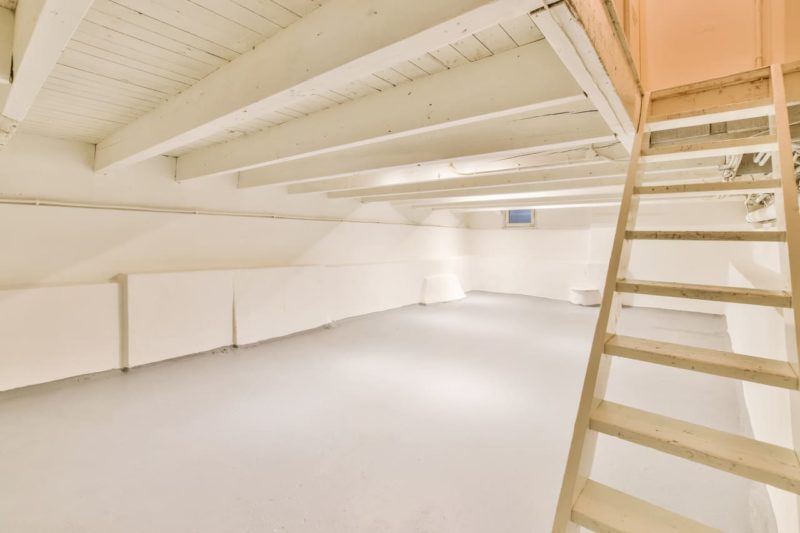
Introduction to Basements
Basements are an integral part of many residential and commercial buildings, providing additional space for various purposes. They can be used for storage, living areas, entertainment spaces, or utility rooms, depending on the property owner’s needs and preferences. In the UK, basements have gained popularity as a practical solution to maximise the use of limited space, especially in densely populated urban areas. Building a basement under an existing house is a complex process that requires careful planning, design, and execution. It involves excavation, underpinning, and addressing structural elements such as drainage, waterproofing, and lighting. Moreover, legal requirements and building regulations must be adhered to, and professional services are often necessary to ensure a successful project. Adding a basement to a property not only increases its functionality but also enhances its value, making it a worthwhile investment for homeowners and property developers alike (Federation of Master Builders, 2018; Danford Brewer & Ives, 2022).
Types of Basements and Their Uses
Basements can be classified into various types based on their construction, depth, and purpose. The most common types include full basements, daylight basements, walkout basements, and crawl spaces. Full basements are entirely below ground level, providing ample space for living, storage, or utility purposes. Daylight basements are partially above ground, with one side exposed to natural light, making them suitable for living spaces or recreational areas. Walkout basements have direct access to the outdoors through a door, offering additional functionality and ease of access. Crawl spaces, on the other hand, are shallow basements primarily used for storage or housing utilities such as HVAC systems and plumbing.
These various basement types serve multiple purposes, ranging from additional living spaces, home offices, and entertainment areas to storage facilities, workshops, and utility rooms. The choice of basement type and its intended use depends on factors such as the homeowner’s needs, property layout, and local building regulations. Ultimately, a well-designed and constructed basement can significantly enhance a property’s functionality, value, and appeal.
Building a Basement Under an Existing House in the UK
Building a basement under an existing house in the UK involves a complex process that requires careful planning, design, and execution. The first step is to conduct a thorough site survey and geotechnical investigation to assess the ground conditions, existing foundations, and any potential risks or challenges. Once the feasibility of the project is established, a detailed design is developed, taking into consideration structural elements such as drainage, waterproofing, and lighting. The design must also comply with relevant building regulations and obtain necessary planning permissions.
The actual construction process begins with underpinning, a technique that involves excavating and reinforcing the existing foundations to support the new basement structure. This is followed by the excavation of the basement space, ensuring proper support for the existing structure throughout the process. Once the excavation is complete, the basement walls, floor, and ceiling are constructed using appropriate materials and techniques. Finally, the space is waterproofed, drainage systems are installed, and the interior is fitted out according to the design specifications. It is crucial to engage professional services with expertise in basement construction to ensure a successful project outcome (Federation of Master Builders, n.d.; Danford Brewer & Ives, 2022).
Excavation and Underpinning Process
The excavation and underpinning process for building a basement under an existing house involves a series of carefully planned and executed steps. Initially, a thorough site assessment and geotechnical investigation are conducted to determine the soil conditions, groundwater levels, and structural stability of the existing house. Once the necessary permits and approvals are obtained, the excavation process begins by removing soil from beneath the house to create space for the new basement. This is typically done in small sections to minimise the risk of structural damage.
Underpinning is the next crucial step, which involves strengthening and stabilising the existing foundations to support the additional load of the new basement. This is achieved by constructing new, deeper foundation elements beneath the existing ones, using techniques such as mass concrete underpinning, mini-piled underpinning, or jet grouting. The choice of method depends on factors such as soil conditions, access constraints, and the required depth of the new basement. Once the underpinning is complete, the basement construction can proceed, including the installation of drainage, waterproofing, and lighting systems, as well as the finishing of the interior space (Fleming, 2018; Institution of Civil Engineers, 2012).
References
- Fleming, W. (2018). Underpinning and Retention. ICE Publishing.
- Institution of Civil Engineers. (2012). Specification for piling and embedded retaining walls. Thomas Telford Publishing.
Structural Elements to Consider: Drainage, Waterproofing, and Lighting
When constructing a basement under an existing house, it is crucial to consider several key structural elements to ensure the space is functional, safe, and comfortable. Firstly, an effective drainage system is essential to prevent water accumulation and potential damage to the basement’s structure. This may involve installing sump pumps, French drains, or other water management solutions to direct water away from the foundation (CIRIA, 2017).
Secondly, waterproofing is vital to protect the basement from moisture ingress, which can lead to dampness, mould growth, and structural deterioration. Various waterproofing methods can be employed, such as tanking systems, cavity drain membranes, or external waterproofing coatings (BSI, 2015). It is important to select the most suitable method based on the specific site conditions and requirements.
Lastly, lighting plays a significant role in creating a comfortable and inviting basement environment. As natural light is often limited in basements, artificial lighting solutions should be carefully planned to provide adequate illumination and enhance the space’s aesthetics. This may include a combination of ambient, task, and accent lighting, as well as the strategic placement of light fixtures to maximise light distribution (CIBSE, 2018).
References
- CIRIA (2017) CIRIA C748: Guidance on the construction of basements and underground structures. London: CIRIA.
- BSI (2015) BS 8102:2009+A1:2015 Code of practice for protection of below ground structures against water from the ground. London: BSI.
- CIBSE (2018) CIBSE Guide A: Environmental Design. London: CIBSE.
Cost Factors for Building a Basement
When considering the cost factors for building a basement under an existing house, several aspects must be taken into account. Firstly, the presence or absence of an existing cellar space can significantly impact the overall cost, as expanding an existing space is generally less expensive than excavating a new one. The size and complexity of the basement conversion also play a crucial role in determining the cost, as larger and more intricate designs will require more resources and labour.
Material selection is another important factor, as higher-quality materials will increase the overall cost but may provide better durability and longevity. Additionally, interior design, furnishings, and decoration can contribute to the final cost, depending on the desired level of finish and personal preferences. It is also essential to consider the costs associated with obtaining necessary permits, adhering to building regulations, and hiring professional services for the design, excavation, and construction of the basement. Lastly, unforeseen issues such as drainage, waterproofing, and lighting requirements may arise during the project, potentially increasing the overall cost (Fleming, 2016; Ingham, 2022).
References
- Ingham, D. (2022). Can you build a basement under an existing house (UK)? Danford Brewer & Ives Blog. Retrieved from https://www.dbi-ltd.com/can-you-build-a-basement-under-an-existing-house-uk/
Timeframe for Basement Construction
The typical timeframe for basement construction under an existing house can vary significantly depending on several factors. Generally, the process can take several months from start to finish. The initial planning, design, and surveying stage is crucial in determining the scope and complexity of the project. Following this, the excavation and underpinning process may take a considerable amount of time, especially if there is no existing cellar space and the area needs to be excavated from scratch. Once the structural work is completed, the interior design and decoration phase begins, which can also vary in duration based on the complexity and desired outcome.
It is essential to note that the larger and more intricate the basement conversion, the longer it will take to complete. Additionally, unforeseen challenges or complications during the construction process may also impact the overall timeframe. Therefore, it is crucial to work with experienced professionals who can provide accurate estimates and ensure the project is completed efficiently and safely (Fleming, 2016; Danford Brewer & Ives, 2022).
References
- Fleming, R. (2016). The Complete Guide to Building a Basement. CreateSpace Independent Publishing Platform.
- Danford Brewer & Ives. (2022). Can You Build a Basement Under an Existing House (UK)? Retrieved from https://www.dbi-ltd.com/can-you-build-a-basement-under-an-existing-house-uk/
Planning and Design Considerations
When planning and designing a basement under an existing house, several key considerations must be taken into account. Firstly, a thorough site investigation and structural assessment of the property are essential to determine the feasibility of the project and identify any potential challenges. This may involve engaging a structural engineer to assess the existing foundations and the impact of the proposed excavation on the building’s stability (Fleming, 2016).
Another crucial aspect is the integration of effective drainage and waterproofing systems to prevent water ingress and dampness, which can compromise the structural integrity and habitability of the basement (NHBC, 2017). Additionally, adequate lighting and ventilation must be incorporated into the design to ensure a comfortable and healthy living environment.
Compliance with building regulations and obtaining necessary planning permissions are also vital, as these govern various aspects of basement construction, such as fire safety, insulation, and access requirements (GOV.UK, 2020). Furthermore, engaging a professional architect or designer can help to optimise the layout and functionality of the space, while considering factors such as headroom, access points, and the integration of utilities and services.
In summary, careful planning and design are crucial to ensure the successful construction of a basement under an existing house, taking into account structural, functional, and regulatory considerations.
References
- Fleming, R. (2016). Basement construction and waterproofing. The Structural Engineer, 94(11), 38-43.
- NHBC. (2017). Guidance on Waterproofing of Basements and Other Below Ground Structures. National House Building Council.
Legal Requirements and Building Regulations
When constructing a basement under an existing house in the UK, it is crucial to adhere to legal requirements and building regulations to ensure the safety and structural integrity of the property. Firstly, planning permission may be necessary, depending on the scale and nature of the project. It is essential to consult with the local planning authority to determine if permission is required. Secondly, compliance with the Building Regulations 2010 is mandatory, which covers aspects such as structural stability, fire safety, ventilation, and damp proofing. Additionally, the Party Wall Act 1996 may apply if the basement construction affects a shared wall with a neighbouring property, requiring consent from the adjoining owner. Furthermore, if the property is a listed building or located in a conservation area, additional permissions may be needed. Lastly, it is important to consider any potential impacts on protected species or habitats, as this may require further assessments and mitigation measures (Planning Portal, n.d.; GOV.UK, n.d.).
References
- GOV.UK. (n.d.). Party walls: agreement for minor building work. Retrieved from https://www.gov.uk/guidance/party-wall-etc-act-1996-guidance
Hiring Professional Services for Basement Construction
When hiring professional services for basement construction under an existing house, it is crucial to consider several factors to ensure a successful project. Firstly, verify the company’s experience and expertise in basement construction, particularly in underpinning and excavation. cheque their portfolio and ask for references from previous clients to gauge their performance and reliability. Secondly, ensure that the company is fully licenced and insured, as this protects you from potential liabilities and guarantees compliance with building regulations. Thirdly, evaluate their communication and project management skills, as effective communication is vital for a smooth construction process. Fourthly, consider the company’s ability to provide a comprehensive service, including design, planning, construction, and finishing touches. This ensures a seamless and efficient project from start to finish. Finally, obtain multiple quotes from different companies to compare costs and services, ensuring that you receive the best value for your investment.
Benefits of Adding a Basement to Your Property
Adding a basement to your property offers numerous benefits, both in terms of functionality and financial value. Firstly, a basement provides additional living space, which can be utilised for various purposes such as a home office, gym, entertainment area, or guest room. This increased functionality can significantly enhance the overall quality of life for the occupants. Secondly, a well-designed basement can improve the energy efficiency of a property, as the underground space provides natural insulation, reducing heating and cooling costs (Energy Saving Trust, 2021).
Moreover, a basement conversion can substantially increase the market value of a property. According to a report by Savills, a basement conversion can add up to 15% to the value of a property in prime central London (Savills, 2017). This added value can be particularly beneficial in areas with high property prices and limited space for expansion. Lastly, a basement can also provide additional storage space, reducing clutter and improving the overall organisation of the property. In summary, adding a basement to your property can enhance its functionality, energy efficiency, market value, and storage capacity.
References
- Savills. (2017). Spotlight: Adding value to prime central London property. Retrieved from https://www.savills.co.uk/research_articles/229130/220207-0
Basement Conversion Case Studies and Examples
Basement conversions have become increasingly popular in the UK, with numerous successful case studies showcasing the potential of these projects. One notable example is a Victorian terraced house in London, where the homeowners transformed their existing cellar into a spacious, light-filled living area. The project involved underpinning the existing foundations, installing a waterproofing system, and incorporating a light well to bring natural light into the space (RICS, 2018). Another example is a basement conversion in a 1930s semi-detached property in Manchester, where the homeowners excavated a new basement to create a home office and gym. This project required careful planning and design to ensure compliance with building regulations, as well as the installation of a sump pump and drainage system to manage groundwater (Basement Living, 2017). These case studies demonstrate the versatility and potential of basement conversions, providing valuable living space and adding significant value to properties in the UK.