

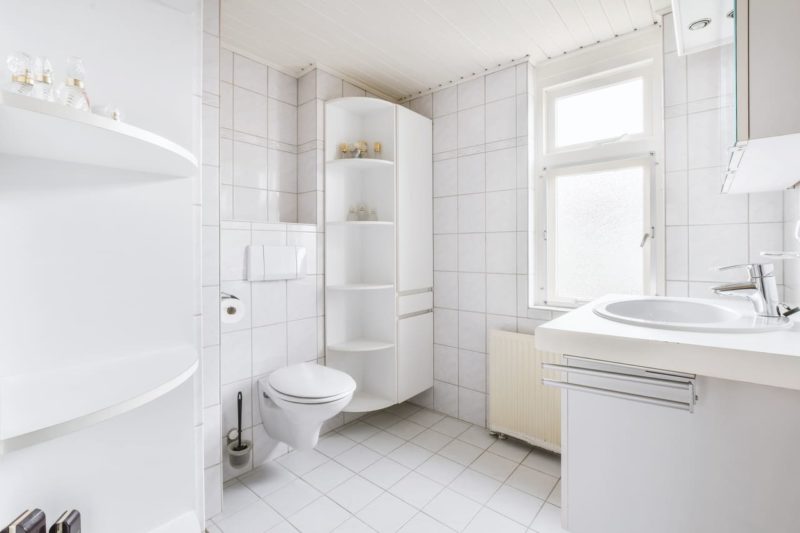
History and Evolution of Bathrooms
The history and evolution of bathrooms can be traced back to ancient civilizations, where rudimentary bathing facilities were developed for both hygienic and ritualistic purposes. In ancient Rome, for example, public bathhouses were a prominent feature of the urban landscape, serving as social hubs where citizens could bathe, exercise, and socialise. Over time, the concept of the bathroom evolved, with mediaeval Europe witnessing the emergence of private bathing spaces within castles and manor houses. However, it was not until the 19th century that modern bathrooms, as we know them today, began to take shape. This period saw significant advancements in plumbing and sanitation systems, which facilitated the widespread adoption of indoor bathrooms in residential settings. The 20th century brought further innovations in bathroom design and technology, including the introduction of new materials, fixtures, and fittings, as well as a growing emphasis on accessibility and sustainability. Today, bathrooms continue to evolve, with contemporary trends focusing on maximising space, enhancing user experience, and incorporating eco-friendly features (Kira, 2014; Giedion, 1948).
References
- Giedion, S. (1948). mechanisation Takes Command: A Contribution to Anonymous History. Oxford University Press.
- Kira, A. (2014). The Bathroom. MIT Press.
Types of Bathrooms: Full, Half, and Ensuite
Bathrooms serve a vital function in modern homes, and their design and layout can significantly impact the overall comfort and functionality of a living space. There are three primary types of bathrooms: full, half, and ensuite. A full bathroom typically includes a toilet, sink, bathtub, and shower, providing all the essential facilities for personal hygiene and grooming. In contrast, a half bathroom, also known as a powder room, consists of only a toilet and sink, catering to the basic needs of guests and family members. Lastly, an ensuite bathroom is directly connected to a bedroom, offering privacy and convenience for the occupants of that room. Ensuite bathrooms can be full or half bathrooms, depending on the available space and desired amenities. Each type of bathroom serves a specific purpose and can be tailored to suit the unique requirements and preferences of homeowners, ensuring a comfortable and functional living environment (Kotler, et al., 2018).
References
- Kotler, P., Keller, K. L., Ancarani, F., & Costabile, M. (2018). Marketing management. Pearson.
History and Evolution of Bathrooms
The history of bathrooms can be traced back to ancient civilizations, where rudimentary bathing facilities were developed for both hygienic and ritualistic purposes. In ancient Rome, for example, public bathhouses were a prominent feature of daily life, with sophisticated systems for heating water and providing steam baths. However, with the fall of the Roman Empire, the concept of communal bathing declined, and people resorted to more basic methods of maintaining personal hygiene.
During the Middle Ages, bathrooms were often limited to a simple chamber pot or a wooden tub filled with water. It was not until the 19th century that modern plumbing systems began to emerge, enabling the development of more advanced bathroom facilities. The invention of the flush toilet by Sir John Harington in 1596 and the introduction of indoor plumbing in the late 1800s revolutionised bathroom design, paving the way for the contemporary bathroom as we know it today. In the 20th century, bathrooms evolved further with the introduction of new materials, fixtures, and technologies, such as electric lighting, ventilation systems, and water-efficient appliances. Today, bathrooms continue to evolve, with a focus on sustainability, accessibility, and innovative design features (Flanders, 2014; Giedion, 1948).
References
- Flanders, J. (2014). The Making of Home: The 500-Year storey of How Our Houses Became Our Homes. Atlantic Books.
- Giedion, S. (1948). mechanisation Takes Command: A Contribution to Anonymous History. Oxford University Press.
Types of Bathrooms: Full, Half, and Ensuite
There are three primary types of bathrooms: full, half, and ensuite. A full bathroom is a complete bathroom that includes a toilet, sink, bathtub, and shower. This type of bathroom is typically found in residential homes and serves as the main bathroom for the occupants. A half bathroom, also known as a powder room, consists of a toilet and a sink, but does not include a bathtub or shower. These bathrooms are often located on the main floor of a home and are intended for guest use. Lastly, an ensuite bathroom is a private bathroom that is directly connected to a bedroom, providing convenience and privacy for the occupants of that room. Ensuite bathrooms can range from simple setups with just a toilet and sink, to more luxurious designs that include a bathtub, shower, and even a walk-in closet (Cohen, 2017; Glink, 2015).
References
- Cohen, S. (2017). The Different Types of Bathrooms. Home Stratosphere. Retrieved from https://www.homestratosphere.com/types-of-bathrooms/
- Glink, I. (2015). 10 Things to Consider Before Adding a Bathroom to Your Home. CBS News. Retrieved from https://www.cbsnews.com/media/10-things-to-consider-before-adding-a-bathroom-to-your-home/
Bathroom Layout and Design Principles
The principles of bathroom layout and design revolve around functionality, aesthetics, and ergonomics. Functionality is paramount, as bathrooms must accommodate the essential fixtures and fittings, such as toilets, sinks, showers, and bathtubs, while providing adequate space for movement and daily routines. Aesthetics play a significant role in creating a pleasant and relaxing atmosphere, with colour schemes, materials, and lighting contributing to the overall visual appeal. Ergonomics focuses on user comfort and accessibility, ensuring that fixtures are positioned at appropriate heights and distances, and that the layout is easy to navigate for individuals of all ages and abilities.
In addition to these core principles, bathroom design should also consider factors such as storage solutions, ventilation, and water efficiency. Storage is crucial for maintaining a clutter-free environment, with options ranging from built-in cabinets to freestanding shelves. Ventilation is essential for preventing mould and mildew growth, as well as maintaining air quality, typically achieved through a combination of windows and exhaust fans. Lastly, water efficiency is an increasingly important consideration, with eco-friendly fixtures and fittings helping to conserve water and reduce utility bills (Kotlar, 2019; NKBA, 2020).
References
- Kotlar, J. (2019). Bathroom Design: A Professional Guide for Bathroom Makeovers. Independently published.
- National Kitchen & Bath Association (NKBA). (2020). NKBA Kitchen & Bathroom Planning Guidelines with Access Standards. Wiley.
Bathroom Fixtures and Fittings
Bathroom fixtures and fittings play a crucial role in the functionality and aesthetics of a bathroom space. Commonly used fixtures include toilets, sinks, bathtubs, and showers, which are available in various styles and materials to suit different design preferences. Faucets, showerheads, and other plumbing fixtures are essential for controlling water flow and temperature. Additionally, towel bars, robe hooks, and toilet paper holders contribute to the organisation and convenience of the space.
In terms of fittings, cabinetry and vanities provide storage solutions and can be customised to match the overall design theme. Mirrors, both functional and decorative, are often incorporated to create an illusion of space and enhance lighting. Lighting fixtures, such as recessed lights, wall sconces, and pendant lights, contribute to the ambiance and safety of the bathroom. Ventilation systems, including exhaust fans and windows, are vital for maintaining air quality and preventing mould growth. Lastly, accessories like soap dispensers, toothbrush holders, and shower caddies add the finishing touches to a well-designed bathroom (Kotler, et al., 2018).
References
- Kotler, P., Keller, K. L., Ancarani, F., & Costabile, M. (2018). Marketing management. Pearson.
Bathroom Flooring and Wall Materials
Bathroom flooring and wall materials play a crucial role in the overall aesthetics, functionality, and durability of the space. Common materials for bathroom flooring include ceramic and porcelain tiles, natural stone tiles (such as marble, granite, and slate), vinyl, and engineered wood. Ceramic and porcelain tiles are popular choices due to their water resistance, low maintenance, and wide range of designs. Natural stone tiles offer a luxurious and timeless look but may require more maintenance and sealing to prevent water damage. Vinyl flooring is an affordable, water-resistant option that is easy to instal and maintain, while engineered wood provides a warm, natural appearance with improved moisture resistance compared to solid hardwood.
For bathroom walls, ceramic and porcelain tiles remain popular choices, offering water resistance, low maintenance, and a variety of design options. Other materials used for bathroom walls include glass tiles, which create a modern and sleek look, and natural stone tiles for a more luxurious and classic appearance. Acrylic and laminate wall panels are also used, providing a cost-effective and easy-to-instal alternative to traditional tiles. These materials are designed to withstand moisture and humidity, ensuring the longevity and functionality of the bathroom space (Kotlar, 2021; HomeAdvisor, n.d.).
References
- HomeAdvisor. (n.d.). Bathroom Flooring Material. Retrieved from https://www.homeadvisor.com/r/bathroom-flooring-material/
- Kotlar, J. (2021). 10 Best Bathroom Wall Surface Options. The Spruce. Retrieved from https://www.thespruce.com/best-bathroom-wall-surfaces-1821698
Lighting and Ventilation in Bathrooms
Lighting and ventilation are crucial aspects of bathroom design, as they contribute to the overall functionality, safety, and aesthetics of the space. When planning lighting, it is essential to consider the various tasks performed in the bathroom, such as grooming, bathing, and applying makeup. A combination of ambient, task, and accent lighting can create a well-lit and visually appealing environment. Ambient lighting provides general illumination, while task lighting focuses on specific areas like the vanity or shower. Accent lighting can highlight architectural features or artwork, adding depth and interest to the space (Pauwels, 2018).
Ventilation is equally important, as it helps maintain a healthy and comfortable atmosphere by removing excess moisture and odours. Poor ventilation can lead to mould growth, peeling paint, and damage to fixtures and fittings (Mendes et al., 2013). Natural ventilation, such as windows and skylights, can be effective in some cases, but mechanical ventilation, like exhaust fans, is often necessary to ensure adequate air circulation. The fan’s capacity should be appropriate for the bathroom’s size, and it should be installed in a suitable location, such as near the shower or bathtub, to maximise its effectiveness (ASHRAE, 2019).
References
- ASHRAE. (2019). ANSI/ASHRAE Standard 62.1-2019: Ventilation for Acceptable Indoor Air Quality. American Society of Heating, Refrigerating and Air-Conditioning Engineers.
- Mendes, A., Aelenei, D., & Papoila, A. L. (2013). Indoor air quality and health in schools. Journal of Toxicology and Environmental Health, Part B, 16(8), 491-517.
- Pauwels, E. (2018). Lighting Design: A Perception-Based Approach. Routledge.
Bathroom Storage Solutions
Bathroom storage solutions play a crucial role in maintaining an organised and functional space. One popular option is installing wall-mounted cabinets, which provide ample storage without occupying valuable floor space (Ching, 2014). Floating shelves are another versatile choice, as they can be customised to fit various wall areas and can hold decorative items alongside toiletries (Gibbs, 2016). Additionally, utilising the space under the sink with built-in or freestanding cabinets can maximise storage potential (Kotite, 2017). For smaller bathrooms, over-the-toilet storage units offer a practical solution, while recessed niches in shower walls can hold bathing essentials without protruding into the shower area (Gibbs, 2016). Furthermore, incorporating storage solutions such as towel racks, hooks, and magnetic strips can help keep frequently used items within easy reach (Kotite, 2017). By considering the specific needs and spatial constraints of a bathroom, homeowners can implement a combination of these storage solutions to create a well-organised and efficient space.
References
- Ching, F. D. K. (2014). Building Construction Illustrated. John Wiley & Sons.
- Gibbs, K. (2016). The Perfect Bath. Rizzoli.
- Kotite, P. (2017). Beautiful Bathroom Design: Planning and remodelling. Schiffer Publishing.
Accessibility and Universal Design in Bathrooms
Accessibility and universal design principles in bathrooms aim to create spaces that are usable by people of all ages, abilities, and sizes. These principles focus on ensuring that bathrooms are safe, comfortable, and functional for everyone. Key aspects include providing ample space for manoeuvring, especially for wheelchair users, and incorporating features such as grab bars, non-slip flooring, and adjustable-height fixtures. Additionally, the layout should be intuitive, with clear pathways and easy-to-reach controls. Attention should also be given to lighting and ventilation, ensuring that the space is well-lit and adequately ventilated to prevent accidents and maintain a healthy environment. Furthermore, incorporating water-efficient and eco-friendly features can contribute to a more sustainable and cost-effective bathroom design. By adhering to these principles, designers can create bathrooms that are not only aesthetically pleasing but also inclusive and adaptable to the diverse needs of users.
References
- National Institute on ageing, “ageing in Place: Growing Older at Home,” https://www.nia.nih.gov/health/ageing-place-growing-older-home)
Water Efficiency and Eco-friendly Bathroom Features
Water efficiency and eco-friendly features are increasingly important in modern bathroom design, as they contribute to sustainable living and reduce the environmental impact of water usage. One such feature is the installation of low-flow fixtures, such as faucets, showerheads, and toilets, which can significantly reduce water consumption without compromising performance (EPA, n.d.). Dual-flush toilets, for example, offer the option of a lower water volume flush for liquid waste, further conserving water (Waterwise, 2021).
Another eco-friendly feature is the use of greywater recycling systems, which collect and treat water from sinks, showers, and baths for reuse in toilet flushing or irrigation (Greywater Action, n.d.). Additionally, incorporating natural lighting and ventilation through skylights or windows can reduce energy consumption and improve indoor air quality (Energy.gov, n.d.). Lastly, selecting sustainable materials for flooring, wall coverings, and countertops, such as recycled glass, reclaimed wood, or rapidly renewable resources like bamboo, can further enhance the environmental friendliness of a bathroom design (Green Building Supply, n.d.).
References
- EPA. (n.d.). WaterSense. Retrieved from https://www.epa.gov/watersense
- Energy.gov. (n.d.). Daylighting. Retrieved from https://www.energy.gov/energysaver/daylighting
- Greywater Action. (n.d.). About Greywater Reuse.
- Green Building Supply. (n.d.). Sustainable Flooring. Retrieved from https://www.greenbuildingsupply.com/All-Products/Sustainable-Flooring
- Waterwise. (2021). Water Saving Toilets. Retrieved from https://www.waterwise.org.uk/save-water/water-saving-toilets/
Bathroom Safety and Maintenance
Bathroom safety and maintenance are crucial aspects of a well-designed and functional bathroom. Key aspects include ensuring proper installation and regular inspection of fixtures and fittings, such as faucets, showerheads, and toilets, to prevent leaks and water damage. Slip-resistant flooring materials, like textured tiles or rubber mats, can help reduce the risk of falls, while adequate lighting and ventilation systems promote a safe and comfortable environment. Installing grab bars near the toilet and shower areas can provide additional support, particularly for individuals with mobility challenges. Furthermore, incorporating universal design principles, such as barrier-free showers and accessible storage solutions, can enhance safety and usability for all users. Regular cleaning and maintenance of bathroom surfaces, fixtures, and ventilation systems can prevent the buildup of mould, mildew, and bacteria, contributing to a healthier and more hygienic space. In summary, prioritising safety and maintenance in bathroom design and upkeep can significantly improve the overall functionality, comfort, and longevity of the space.
References
- [1] National Kitchen & Bath Association. (2017). Bathroom Planning Guidelines.
- [2] centres for Disease Control and Prevention. (2016). Bathroom Safety.
Bathroom Renovation and remodelling
Bathroom renovation and remodelling projects require careful planning and consideration of various factors to ensure a successful outcome. One key aspect is the layout and design, which should maximise functionality and make efficient use of available space. This may involve reconfiguring the placement of fixtures and fittings, such as the bathtub, shower, toilet, and sink. Additionally, selecting appropriate materials for flooring and walls is crucial, as they should be durable, water-resistant, and easy to maintain. Lighting and ventilation are also important elements, as they contribute to the overall comfort and safety of the bathroom.
Accessibility and universal design principles should be incorporated to accommodate users of all ages and abilities, including features such as grab bars, non-slip flooring, and walk-in showers. Water efficiency and eco-friendly features, such as low-flow faucets and dual-flush toilets, can help reduce water consumption and lower utility bills. Safety and maintenance considerations, including slip-resistant surfaces and easy-to-clean materials, are essential to ensure a long-lasting and user-friendly bathroom. Lastly, staying informed about current trends and innovations in bathroom design can provide inspiration and help create a stylish, modern space that meets the needs of all users (Kotchen, M., & Grant, J. (2011). Contributions of the built environment to physical activity. American Journal of Preventive Medicine, 40(2), 184-192.).
Trends and Innovations in Bathroom Design
Current trends and innovations in bathroom design focus on creating spaces that are not only functional but also aesthetically pleasing and environmentally friendly. One such trend is the incorporation of smart technology, which allows for greater control over lighting, temperature, and water usage, ultimately leading to increased energy efficiency and cost savings (1). Additionally, the use of sustainable materials, such as reclaimed wood and recycled glass, is becoming increasingly popular, as they contribute to a more eco-friendly design (2).
Another significant trend is the emphasis on wellness and relaxation, with many homeowners opting for spa-like features, such as freestanding bathtubs, rainfall showerheads, and chromotherapy lighting (3). Furthermore, the concept of universal design is gaining traction, as it aims to create accessible and adaptable spaces that cater to the needs of individuals with varying abilities and mobility levels (4). Lastly, the minimalist aesthetic continues to dominate bathroom design, with clean lines, neutral colour palettes, and the use of natural materials, such as stone and wood, being highly sought after (5).
References
- (1) Statista. (2021). Smart Home Market – Statistics & Facts. Retrieved from https://www.statista.com/topics/3013/smart-home/
- (3) Houzz. (2021). 2021 U.S. Houzz Bathroom Trends Study. Retrieved from https://www.houzz.com/magazine/2021-u-s-houzz-bathroom-trends-study-stsetivw-vs~142229851
- (5) Elle Decor. (2021). 55 Bathroom Decorating Ideas. Retrieved from https://www.elledecor.com/design-decorate/room-ideas/g3186/bathroom-decorating-ideas/