

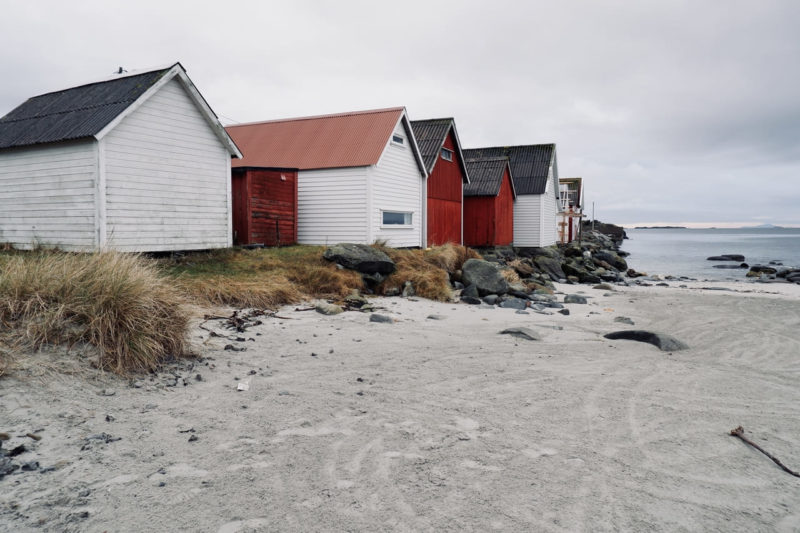
Definition and Purpose of Beach Houses
Beach houses serve as residential structures situated on or near a beach, often functioning as vacation homes or secondary residences for individuals who visit during weekends or holiday periods. These houses are specifically designed to withstand the unique climate conditions of their coastal locations, taking into consideration factors such as saltwater exposure, humidity, and extreme weather events. The primary purpose of beach houses is to provide a comfortable and relaxing living space for occupants while offering easy access to the beach and its associated recreational activities. Beach houses also contribute to the local economy by attracting tourists and generating demand for real estate in coastal areas. As a result, beach houses play a significant role in shaping the architectural landscape and cultural identity of coastal communities around the world (Beach Homes, 2004; Gordon, 2002).
History of Beach Houses
The history of beach houses can be traced back to the early 20th century when they emerged as a popular vacation destination for the affluent. Initially, these houses were simple wooden structures built close to the shoreline, providing a retreat for families to escape the city’s hustle and bustle. Over time, beach houses evolved into more elaborate and luxurious residences, reflecting the growing demand for coastal living and leisure. In the mid-20th century, architects like Andrew Geller began designing innovative and sculptural beach houses in coastal regions of New England, further popularising the concept of beachfront living. Today, beach houses can be found in various architectural styles and designs, catering to diverse tastes and preferences. They continue to serve as vacation homes, second homes, or even primary residences for those who value the unique lifestyle offered by coastal living (Gordon, 2002; Beach Homes, 2004).
Architectural Styles and Designs
Beach houses exhibit a diverse range of architectural styles and designs, reflecting the unique characteristics of their coastal environments and the preferences of their owners. Traditional beach houses often feature simple, functional designs with large windows and open floor plans to maximise natural light and ventilation. These homes may incorporate elements of regional architectural styles, such as the Cape Cod, Mediterranean, or Caribbean styles, depending on their location.
In recent years, contemporary beach house designs have emerged, showcasing innovative materials and construction techniques to create visually striking structures that blend seamlessly with their surroundings. These modern beach homes often feature minimalist aesthetics, extensive use of glass, and sustainable materials, such as reclaimed wood and solar panels. Additionally, architects are increasingly incorporating adaptive design principles to address the challenges posed by coastal environments, such as rising sea levels and extreme weather events. This has led to the development of beach houses with elevated foundations, flood-resistant materials, and flexible spaces that can be easily modified to accommodate changing conditions.
Building Materials and Construction Methods
Beach houses are constructed using a variety of building materials and methods to withstand the unique challenges posed by coastal environments. One common material is treated wood, which offers resistance to moisture, salt, and insects, making it ideal for beach house construction (Beach Homes, 2004). Additionally, concrete and steel are often used for their durability and resistance to corrosion. In terms of construction methods, beach houses may employ raised foundations, such as piers or stilts, to protect against flooding and storm surges. This design also allows for better ventilation and minimises the impact on the surrounding ecosystem (Gordon, 2002).
Furthermore, beach houses often incorporate weather-resistant features, such as hurricane-resistant windows and doors, to protect against extreme weather conditions. Roofing materials, such as metal or composite shingles, are chosen for their ability to withstand high winds and salt spray. Finally, exterior finishes, like specialised paint and siding, are used to provide additional protection against the corrosive effects of saltwater and humidity (Beach Homes, 2004).
References
- Beach Homes. (2004). Newtown, CT: Taunton Press. pp. 2526. ISBN 1561586900.
- Gordon, Alastair. (2002). Beach Houses: Andrew Geller. New York: Princeton Architectural. p. 9. ISBN 1568983212.
Special Requirements for Beach House Foundations
Beach house foundations require special considerations due to their unique location and environmental factors. One of the primary concerns is the soil type, as beach houses are often built on sandy or loose soil, which can be unstable and prone to erosion. To address this issue, deep pile foundations or helical piers are commonly used to provide adequate support and stability for the structure (FEMA, 2014). These foundation systems extend deep into the ground, anchoring the house to more stable soil layers or bedrock.
Another critical factor is the potential for flooding and storm surges, which can cause significant damage to beach houses. To mitigate this risk, beach houses are often elevated above the base flood elevation (BFE) using piers, columns, or stilts, allowing water to flow underneath the structure without causing damage (FEMA, 2014). Additionally, beach house foundations must be designed to withstand the corrosive effects of saltwater and the constant exposure to moisture. This may involve using corrosion-resistant materials, such as galvanised steel or marine-grade stainless steel, as well as proper drainage and ventilation systems to minimise moisture buildup (Coastal Construction Manual, 2011).
Climate Considerations and Weatherproofing
Climate considerations and weatherproofing measures are crucial aspects of beach house construction, as these structures are exposed to harsh coastal conditions such as high winds, saltwater, and humidity. To ensure the longevity and comfort of beach houses, architects and builders must take into account the local climate and implement appropriate design features and materials.
One key consideration is the use of corrosion-resistant materials, such as stainless steel, galvanised steel, and treated wood, which can withstand the corrosive effects of saltwater and moisture. Additionally, beach houses should be designed with adequate ventilation to prevent mould and mildew growth, which can be exacerbated by high humidity levels. Insulation and energy-efficient windows are also essential to maintain comfortable indoor temperatures and reduce energy consumption.
Weatherproofing measures include the use of specialised paints and coatings that protect against saltwater damage and UV radiation. Moreover, beach houses should be designed to withstand high winds, incorporating features such as reinforced roofing systems, impact-resistant windows, and doors, as well as elevated foundations to protect against potential flooding and storm surges. Proper landscaping and drainage systems can further mitigate the effects of coastal erosion and flooding.
References
- (Ching, F., & Adams, C. (2014). Building construction illustrated. John Wiley & Sons.)
Beach Gardens and Landscaping
Beach house gardens and landscaping require careful planning and consideration due to the unique coastal environment. One key aspect is the selection of plants that can tolerate salt spray, strong winds, and sandy soils. Native plants, such as those found in coastal dunes, are often the best choice as they are well-adapted to the local conditions and can help stabilise the soil (Gordon, 2002). Additionally, incorporating windbreaks, such as hedges or fences, can protect the garden from harsh coastal winds and create a more pleasant microclimate.
Another important consideration is the overall design and layout of the garden. Beach gardens should aim to complement the natural surroundings and enhance the connexion between the house and the beach. This can be achieved by using local materials, such as driftwood or beach pebbles, and creating open spaces that offer unobstructed views of the ocean. Sustainable practices, such as rainwater harvesting and the use of permeable paving, can also help minimise the environmental impact of the garden on the fragile coastal ecosystem (Beach Homes, 2004).
References
- Beach Homes. (2004). Newtown, CT: Taunton Press. pp. 25-26. ISBN 1561586900.
- Gordon, Alastair. (2002). Beach Houses: Andrew Geller. New York: Princeton Architectural. p. 9. ISBN 1568983212.
Famous Beach Houses and Architects
Famous beach houses often showcase unique architectural styles and designs, reflecting the creativity and innovation of their architects. One notable example is Casa de Isla Negra, the beach house of Chilean poet Pablo Neruda, which now serves as a historic house museum and tourist attraction. Another iconic beach house is the Glass House, designed by renowned architect Philip Johnson, which features floor-to-ceiling glass walls and minimalist design elements. In the United States, architect Andrew Geller gained recognition for his sculptural beach houses in the coastal regions of New England during the 1950s and 1960s. Geller’s designs, such as the Pearlroth House and the Hunt House, are characterised by their unconventional shapes and bold geometric forms. These examples demonstrate the diverse range of architectural styles and designs that can be found in beach houses around the world, as well as the significant contributions of their architects to the field of coastal architecture (Beach Homes, 2004; Gordon, 2002).
References
- Beach Homes. (2004). Newtown, CT: Taunton Press. ISBN 1561586900.
- Gordon, Alastair. (2002). Beach Houses: Andrew Geller. New York: Princeton Architectural. ISBN 1568983212.
Beach House Real Estate Market
The beach house real estate market has experienced significant growth in recent years, driven by factors such as increasing disposable income, changing lifestyle preferences, and a growing interest in vacation homes. According to a report by Allied Market Research, the global vacation homes market is expected to reach $1,669.2 billion by 2027, growing at a CAGR of 4.5% from 2020 to 2027 (Allied Market Research, 2020). Beach houses, as a popular segment of this market, are likely to benefit from this growth trend.
However, the market also faces challenges, including environmental concerns, coastal management regulations, and the impact of climate change on coastal properties. These factors may influence the demand for beach houses and affect their long-term value. Additionally, the COVID-19 pandemic has introduced uncertainties in the real estate market, with potential implications for the beach house segment. Despite these challenges, the beach house real estate market is expected to remain an attractive investment option for many, given the enduring appeal of coastal living and the potential for rental income from vacationers.
Environmental Impact and Coastal Management
The environmental impact of beach houses is a growing concern due to the potential for coastal erosion, habitat destruction, and pollution. Beach houses, particularly those built on sand, can contribute to the destabilisation of the shoreline, leading to increased erosion rates and the loss of valuable coastal ecosystems such as dunes and wetlands. Additionally, the construction and maintenance of beach houses can introduce pollutants into the coastal environment, negatively affecting water quality and marine life.
Coastal management plays a crucial role in mitigating these environmental impacts by implementing regulations and guidelines for beach house construction and maintenance. This includes the enforcement of setback requirements, which ensure that beach houses are built at a safe distance from the shoreline to minimise erosion and habitat loss. Coastal management also involves the promotion of sustainable building materials and practices, such as using non-toxic paints and incorporating natural vegetation into landscaping designs. Furthermore, coastal management agencies work to monitor and protect coastal ecosystems, ensuring that beach house development does not compromise the health and resilience of these valuable environments (Beatley, Brower, & Schwab, 2002; Nordstrom, 2000).
References
- Beatley, T., Brower, D. J., & Schwab, A. K. (2002). An Introduction to Coastal Zone Management. Island Press.
- Nordstrom, K. F. (2000). Beaches and Dunes of Developed Coasts. Cambridge University Press.
Beach House Maintenance and Preservation
Maintaining and preserving beach houses requires special attention due to their unique location and exposure to harsh coastal elements. One of the primary concerns is the impact of saltwater and humidity on the building materials, which can lead to corrosion and deterioration over time. To mitigate this, it is essential to use corrosion-resistant materials such as stainless steel, galvanised steel, or aluminium for structural components and fasteners (Pilkey et al., 2019). Additionally, regular inspections and maintenance of the exterior paint and sealants are crucial to protect the house from moisture intrusion and damage.
Another significant consideration is the foundation of beach houses, which are often built on sand or other unstable soils. These foundations require special design and construction methods to ensure stability and prevent settlement or erosion (Goudie, 2013). Furthermore, climate considerations and weatherproofing play a vital role in preserving beach houses. Installing impact-resistant windows and doors, as well as proper insulation and ventilation systems, can help protect the house from extreme weather conditions and maintain a comfortable indoor environment (Mendell et al., 2011).
In conclusion, beach house maintenance and preservation involve a combination of appropriate material selection, foundation design, and weatherproofing measures to ensure the longevity and resilience of these unique coastal properties.
References
- Goudie, A. (2013). The Human Impact on the Natural Environment: Past, Present, and Future. John Wiley & Sons.
- Mendell, M. J., Mirer, A. G., Cheung, K., Tong, M., & Douwes, J. (2011). Respiratory and allergic health effects of dampness, mould, and dampness-related agents: a review of the epidemiologic evidence. Environmental Health Perspectives, 119(6), 748-756.
- Pilkey, O. H., Neal, W. J., Kelley, J. T., & Cooper, J. A. G. (2019). The World’s Beaches: A Global Guide to the Science of the Shoreline. University of California Press.
Examples of Beach Houses Around the World
Beach houses exhibit a diverse range of architectural styles and designs, reflecting the unique characteristics of their respective locations. For instance, Casa de Isla Negra, the famous beach house of Chilean poet Pablo Neruda, is now a historic house museum and tourist attraction, showcasing a blend of traditional and modern elements. In Zingst, Western Pomerania, Germany, beach houses feature a distinct Baltic Sea architectural style, characterised by their thatched roofs and wooden construction. In the United States, the luxury townhomes on Carr’s Beach and Sparrow’s Beach exemplify contemporary beachfront living, while the sculptural beach houses designed by American architect Andrew Geller in the coastal regions of New England during the 1950s and 1960s showcase a more avant-garde approach to beach house design. These examples demonstrate the rich variety of beach houses found around the world, each reflecting the local culture, climate, and building materials available in their respective regions (Beach Homes, 2004; Gordon, 2002).