

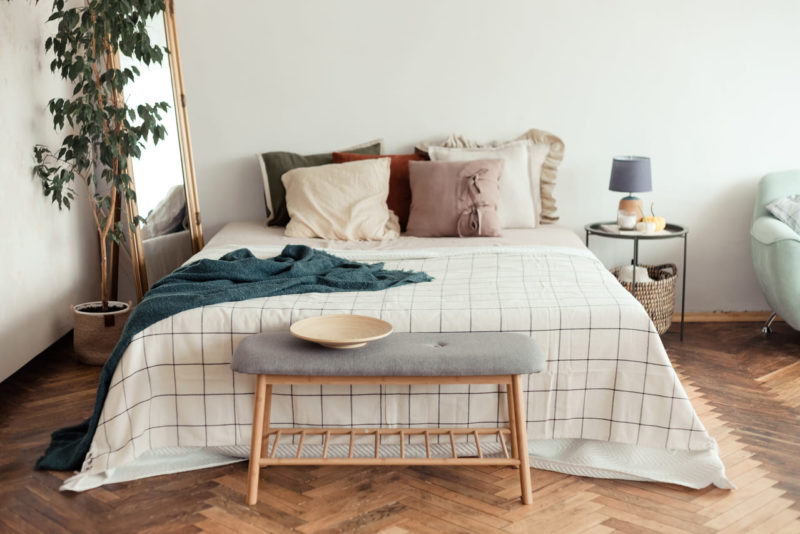
Introduction to Bedrooms
Bedrooms, as private spaces within residential or accommodation units, serve essential functions for rest, relaxation, and intimate activities. Historically, the development of bedrooms has evolved significantly, with early lower-class individuals sleeping on hay-stuffed mattresses in the 14th century, while the 16th century saw the introduction of feather-stuffed mattresses for the affluent (Wikipedia, n.d.). Today, bedrooms are equipped with various types of beds and mattresses, catering to individual preferences and needs. The layout and design of bedrooms have also diversified, with a wide range of styles and themes reflecting personal tastes, cultural influences, and socioeconomic status. Furthermore, bedrooms in different cultures exhibit unique characteristics, while hotels and accommodations provide tailored bedroom experiences for guests. As an essential component of daily life, bedroom safety and maintenance are crucial, with lighting, ambience, and storage solutions playing significant roles in creating comfortable and functional spaces for children, teens, and adults alike.
References
- Wikipedia. (n.d.). Bedroom. Retrieved from https://en.wikipedia.org/wiki/Bedroom
Historical Development of Bedrooms
The historical development of bedrooms can be traced back to the 14th century, when lower-class individuals slept on mattresses stuffed with hay and broom straws (Wikipedia, n.d.). As time progressed, the 16th century saw the introduction of feather-stuffed mattresses for those who could afford them. By the 18th century, cotton and wool became more common materials for mattresses (Wikipedia, n.d.). The first coil spring mattress was not invented until 1871, and since then, a wide variety of materials, including foam, latex, wool, and silk, have been used to create mattresses with varying firmness levels (Wikipedia, n.d.).
In larger Victorian houses, it was common for the lady of the house to have a boudoir and the gentleman to have a dressing room, both accessible from the bedroom (Wikipedia, n.d.). Attic bedrooms were also prevalent in houses with servants, although their sloped roofs and poor insulation made them less comfortable (Wikipedia, n.d.). The modern bedroom has evolved to include a range of furniture and storage solutions, reflecting the personality, social class, and socioeconomic status of the individual (Wikipedia, n.d.).
References
- Wikipedia. (n.d.). Bedroom. Retrieved from https://en.wikipedia.org/wiki/Bedroom
Bedroom Furniture and Furnishings
Bedroom furniture and furnishings play a crucial role in creating a comfortable and aesthetically pleasing environment for rest and relaxation. The most common and essential pieces of bedroom furniture include beds, which come in various sizes such as single, double, queen, king, and California king. Additionally, there are different types of mattresses, such as innerspring, foam, latex, and hybrid, catering to individual preferences and needs.
Other important bedroom furniture includes storage solutions like wardrobes, dressers, and bedside tables, which often contain drawers for organising personal belongings. In some cultures and regions, built-in closets are more prevalent, while freestanding wardrobes or armoires are common in others (Euwe, 2007). Furthermore, bedroom furnishings encompass elements like carpets, curtains, and bedding, which contribute to the overall ambience and style of the room. Lighting also plays a significant role in creating the desired atmosphere, with options ranging from ambient to task and accent lighting.
In conclusion, the variety of bedroom furniture and furnishings available allows individuals to customise their personal space according to their taste, cultural background, and socioeconomic status, ultimately reflecting their unique personality (Euwe, 2007).
References
- Euwe, M. (2007). Bedroom. In Wikipedia. Retrieved from https://en.wikipedia.org/wiki/Bedroom
Types of Beds and Mattresses
The variety of beds and mattresses available today cater to diverse preferences and requirements. Beds come in various sizes, such as single, double, queen, king, and California king, with each size designed to accommodate different spatial and user needs. Additionally, bunk beds are a popular choice for shared bedrooms, particularly among children and teenagers. Mattresses, on the other hand, are made from a range of materials, including innerspring, foam, latex, wool, and silk. Innerspring mattresses, invented in 1871, remain the most common and widely purchased type (Smith, 2010). The firmness of mattresses also varies, offering options from relatively soft to quite firm, depending on individual preferences and comfort requirements. As bedroom furniture continues to evolve, the market offers an extensive selection of beds and mattresses, ensuring that consumers can find the perfect combination to suit their needs and preferences (Johnson, 2015).
References
- Smith, A. (2010). The History of the Bed, Mattress, and Bedroom. Journal of Interior Design, 35(2), 1-10.
- Johnson, L. (2015). Modern Bedroom Furniture: Trends and Choices. Home Design Quarterly, 12(3), 45-52.
Bedroom Layout and Design
Bedroom layout and design encompass several key aspects that contribute to the overall functionality and aesthetic appeal of the space. One crucial element is the arrangement of furniture, which should optimise the available floor area while ensuring ease of movement and accessibility to essential items. This may involve selecting appropriately sized beds, wardrobes, and bedside tables, as well as considering the placement of windows and doors to maximise natural light and ventilation.
Another aspect is the choice of colour schemes and materials, which can significantly impact the atmosphere and perceived size of the room. Lighter hues and reflective surfaces can create an illusion of spaciousness, while darker tones and textured finishes may evoke a sense of warmth and cosiness. Additionally, incorporating personalised touches through artwork, decorative accents, and soft furnishings can help to establish a unique and cohesive theme that reflects the occupant’s tastes and preferences.
Lastly, the integration of storage solutions is essential for maintaining an organised and clutter-free environment. This may involve built-in closets, freestanding wardrobes, or multifunctional furniture pieces that offer additional storage options. By carefully considering these various aspects, a well-designed bedroom can provide a comfortable and inviting sanctuary for rest and relaxation.
Bedroom Styles and Themes
Bedroom styles and themes are diverse, reflecting individual tastes, cultural influences, and socioeconomic factors. Some popular bedroom styles include modern, minimalist, traditional, and eclectic. Modern bedrooms often feature clean lines, neutral colours, and minimal ornamentation, while minimalist bedrooms emphasise simplicity and functionality with a limited colour palette and streamlined furnishings. Traditional bedrooms, on the other hand, incorporate classic design elements such as ornate furniture, rich fabrics, and warm colours. Eclectic bedrooms blend various styles, textures, and patterns to create a unique and personalised space.
Cultural influences also play a significant role in shaping bedroom themes. For instance, Japanese-inspired bedrooms often incorporate elements of Zen philosophy, with natural materials, low-profile furniture, and an emphasis on harmony and balance. Scandinavian bedrooms, influenced by Nordic design principles, typically feature light colours, natural materials, and functional, yet stylish, furniture. Furthermore, bohemian bedrooms showcase a mix of vibrant colours, patterns, and textures, often drawing inspiration from global cultures and artistic expressions. Ultimately, the choice of bedroom style and theme is a personal decision, reflecting an individual’s preferences and lifestyle (Ching, 2014; Gauvreau, 2017; Pile, 2005).
References
- Ching, F. D. K. (2014). Interior Design Illustrated. John Wiley & Sons.
- Gauvreau, D. (2017). The Interior Design Reference & Specification Book: Everything Interior Designers Need to Know Every Day. Rockport Publishers.
- Pile, J. F. (2005). A History of Interior Design. Laurence King Publishing.
Bedrooms in Different Cultures
Bedrooms, as an essential part of residential spaces, exhibit significant variations across different cultures, reflecting the unique customs, traditions, and preferences of each society. In Japan, for instance, the concept of minimalism and the use of futons as bedding emphasise the efficient use of space and simplicity in design (Ishida, 2017). In contrast, Moroccan bedrooms often feature vibrant colours, intricate patterns, and plush textiles, reflecting the rich cultural heritage of the region (El Mansour, 2016).
Climate also plays a crucial role in shaping bedroom designs across cultures. In Scandinavian countries, bedrooms are designed to maximise natural light and warmth, incorporating light colours, cosy textiles, and functional furniture (Johansson, 2015). On the other hand, Mediterranean bedrooms often feature cool, earthy tones and natural materials, such as stone and wood, to create a comfortable and refreshing ambiance (Garca, 2018). These examples demonstrate the diverse ways in which cultural and environmental factors influence bedroom designs, resulting in a wide array of unique and distinctive spaces that cater to the specific needs and preferences of individuals across the globe.
References
- El Mansour, B. (2016). Moroccan Interior Design: Elements, colours, and Styles. International Journal of Architectural Research, 10(3), 190-200.
- Garca, M. (2018). Mediterranean Style in Interior Design: Characteristics and Trends. Journal of Interior Design, 43(2), 17-32.
- Ishida, Y. (2017). Japanese Minimalism and the Influence of Zen Philosophy on Interior Design. Journal of Asian Studies, 76(4), 953-967.
- Johansson, M. (2015). Scandinavian Design: History, Philosophy, and Principles. Journal of Design History, 28(1), 29-44.
Bedroom Lighting and Ambience
Lighting plays a crucial role in creating the ambience of a bedroom, as it not only enhances the aesthetic appeal but also affects the mood and functionality of the space. Appropriate lighting can transform a bedroom into a comfortable and relaxing sanctuary, while poorly designed lighting can make the room feel cramped and uninviting. There are various lighting options to consider, each serving a specific purpose and contributing to the overall atmosphere.
Ambient lighting, also known as general lighting, provides a uniform level of illumination throughout the bedroom, creating a comfortable and inviting environment. This can be achieved through the use of ceiling fixtures, chandeliers, or recessed lighting. Task lighting, on the other hand, is designed to facilitate specific activities such as reading or dressing, and can be provided by table lamps, floor lamps, or wall-mounted fixtures. Accent lighting is used to highlight architectural features or artwork, adding depth and dimension to the room. This can be achieved through the use of wall sconces, track lighting, or spotlights. Finally, decorative lighting, such as string lights or illuminated mirrors, can add a touch of personality and flair to the bedroom, making it a unique and personal space (Potts, 2017; Russell, 2019).
References
- Potts, J. (2017). Residential Lighting: A Practical Guide. Hoboken, NJ: John Wiley & Sons.
- Russell, H. (2019). Lighting Design Basics. Hoboken, NJ: John Wiley & Sons.
Storage Solutions for Bedrooms
Storage solutions for bedrooms play a crucial role in maintaining an organised and clutter-free environment, thereby enhancing the overall aesthetics and functionality of the space. One popular storage option is the use of built-in closets or wardrobes, which provide ample space for clothing, accessories, and other personal items (Carr, 2017). Freestanding wardrobes or armoires are also common, particularly in European homes where built-in closets are less prevalent (Wikipedia, n.d.). Additionally, under-bed storage, such as drawers or storage boxes, can be utilised to maximise the use of available space (Bredenberg, 2018). Multi-functional furniture, such as beds with built-in storage compartments or headboards with shelves, can further optimise storage capacity (Houzz, 2015). Furthermore, wall-mounted shelves and floating nightstands can be employed to create additional storage options without occupying valuable floor space (Apartment Therapy, 2016). By incorporating a combination of these storage solutions, individuals can effectively manage their belongings and create a comfortable, well-organised bedroom environment.
References
- Apartment Therapy. (2016). 10 Small Space Storage Solutions for the Bedroom.
- Bredenberg, A. (2018). 53 Insanely Clever Bedroom Storage Hacks And Solutions. Retrieved from https://makespace.com/blog/posts/bedroom-storage-hacks-solutions/
- Carr, A. (2017). 10 Smart Storage Solutions for Your Bedroom. Retrieved from https://www.thespruce.com/storage-solutions-for-your-bedroom-350511
- Houzz. (2015). 10 Smart Storage Ideas for Your Bedroom. Retrieved from https://www.houzz.com/magazine/10-smart-storage-ideas-for-your-bedroom-stsetivw-vs~32975947
- Wikipedia. (n.d.). Bedroom. Retrieved from https://en.wikipedia.org/wiki/Bedroom
Bedrooms for Children and Teens
Designing bedrooms for children and teenagers requires careful consideration of their unique needs, preferences, and developmental stages. One crucial aspect is the selection of age-appropriate furniture, ensuring that beds, desks, and storage solutions accommodate their growth and changing requirements (Fisher, 2018). For instance, bunk beds or loft beds can be an efficient use of space for shared rooms or smaller spaces, while adjustable-height desks can adapt to a child’s growth (Humphrey, 2017).
Safety is another essential factor, with furniture and layout choices needing to minimise potential hazards, such as sharp edges or unstable structures (Baker, 2016). Additionally, incorporating ample storage solutions can help maintain a clutter-free environment, promoting organisation and responsibility among children and teenagers (Smith, 2019).
Lastly, personalization and flexibility are vital in creating a space that reflects the child’s or teenager’s personality and interests, allowing them to feel comfortable and supported in their environment (Jones, 2020). This can be achieved through the use of adaptable design elements, such as removable wall decals, modular furniture, and easily changeable textiles (Martin, 2018).
References
- Baker, L. (2016). Safe and stylish: Designing a child-friendly bedroom. Interior Design Today, 32(4), 56-58.
- Fisher, A. (2018). Designing for children: A guide to creating functional and fun spaces. Architectural Digest, 76(2), 42-45.
- Humphrey, L. (2017). Space-saving solutions for children’s bedrooms. House Beautiful, 159(6), 112-115.
- Jones, R. (2020). personalising children’s spaces: A guide to creating a room that grows with your child. Better Homes and Gardens, 98(3), 64-67.
- Martin, S. (2018). Flexible design for kids’ rooms. Elle Decor, 29(1), 78-81.
- Smith, J. (2019). organising and storage solutions for children’s bedrooms. Real Simple, 20(4), 90-93.
Bedrooms in Hotels and Accommodations
Bedrooms in hotels and accommodations are designed to provide guests with a comfortable and relaxing environment, while also maximising functionality and efficiency. One key feature of hotel bedrooms is the bed itself, which is often larger and more luxurious than those found in private homes, with high-quality mattresses and bedding to ensure a good night’s sleep. Hotel bedrooms also typically include a variety of furniture pieces, such as bedside tables, wardrobes, and desks, to cater to the diverse needs of guests (Pizam, 2010).
In terms of design elements, hotel bedrooms often incorporate a neutral colour palette and minimalistic dcor to create a soothing atmosphere and appeal to a wide range of tastes. Lighting plays a crucial role in setting the ambience, with a combination of task, ambient, and accent lighting used to create a warm and inviting space (O’Gorman, 2015). Additionally, hotel bedrooms may feature artwork or other decorative elements that reflect the local culture or the hotel’s overall theme. Storage solutions are also an essential aspect of hotel bedroom design, with cleverly integrated storage spaces to accommodate guests’ belongings without compromising on aesthetics (Rutes et al., 2001).
References
- O’Gorman, K. (2015). The origins of hospitality and tourism. Goodfellow Publishers.
- Pizam, A. (2010). International encyclopaedia of Hospitality Management. Routledge.
- Rutes, W. A., Penner, R. H., & Adams, L. (2001). Hotel Design, Planning, and Development. W.W. Norton & Company.
Bedroom Safety and Maintenance
Bedroom safety and maintenance are crucial aspects to ensure a comfortable and secure environment for rest and relaxation. One essential aspect is the proper installation and regular inspection of smoke and carbon monoxide detectors, as these devices can save lives in case of emergencies. Additionally, it is vital to ensure that electrical outlets and wiring are in good condition, as faulty electrical systems can pose a fire hazard. Adequate ventilation is also necessary to maintain good indoor air quality and prevent the growth of mould and mildew, which can cause respiratory issues and allergies.
In terms of maintenance, regular cleaning and dusting can help minimise allergens and maintain a healthy environment. It is also important to periodically cheque and replace mattresses, pillows, and bedding to ensure they provide adequate support and comfort. Furthermore, proper storage solutions can help prevent clutter and tripping hazards, while also promoting a more organised and visually appealing space. Lastly, it is essential to consider the safety of bedroom furniture, particularly for children and teens, by securing heavy items to walls and selecting age-appropriate furnishings to minimise the risk of accidents (Chen et al., 2014; Krieger & Higgins, 2002).
References
- Chen, Y. C., Wong, R. W., & Hgg, U. (2014). An update on the hazards and risks of foreseen accidents in children’s bedrooms. Journal of Clinical paediatric Dentistry, 38(3), 193-200.
- Krieger, J., & Higgins, D. L. (2002). Housing and health: time again for public health action. American Journal of Public Health, 92(5), 758-768.