

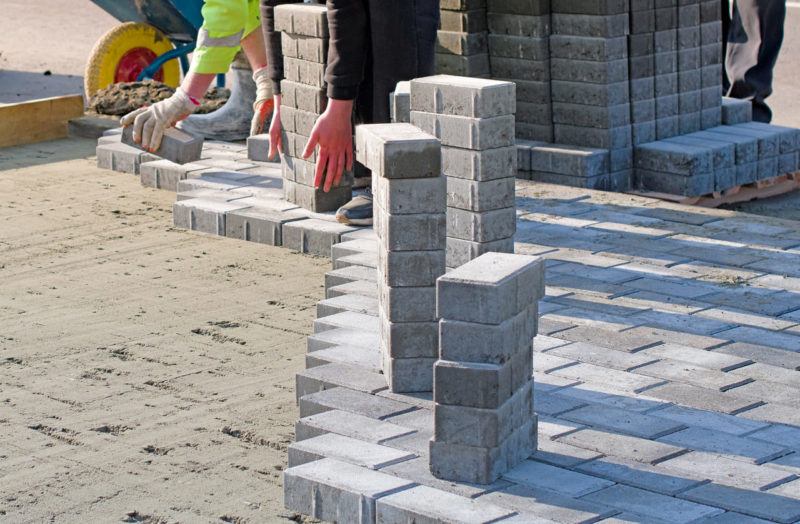
Introduction to Building Materials
Building materials are fundamental to the construction industry, playing a crucial role in the creation of various structures and installations. These materials encompass a wide range of natural, synthetic, and composite substances, each with unique properties that make them suitable for specific applications. The selection of appropriate building materials is essential for ensuring the durability, sustainability, and overall performance of a structure. As the construction sector continues to evolve, so too does the demand for innovative and eco-friendly building materials that can meet the challenges of modern engineering. Consequently, understanding the properties and classifications of building materials is vital for professionals in the field, as it enables them to make informed decisions when designing and constructing projects. Furthermore, the building materials industry significantly contributes to the global economy, as its output directly impacts the rate and quality of construction work (Kibert, 2016; O’Brien et al., 2017).
Classification of Building Materials
Building materials can be broadly classified into two categories: natural and synthetic. Natural building materials are those derived from nature, such as wood, stone, clay, and lime. These materials have been used for centuries in construction due to their availability, durability, and ease of use. On the other hand, synthetic building materials are man-made and include materials like concrete, steel, glass, and plastics. These materials are often preferred for their strength, versatility, and resistance to various environmental factors.
Another way to classify building materials is based on their sustainability and eco-friendliness. Sustainable building materials are those that have a minimal impact on the environment during their production, use, and disposal. Examples include recycled materials, renewable resources like bamboo, and materials with low embodied energy. In contrast, non-sustainable materials have a higher environmental impact and may contribute to resource depletion and pollution. Understanding these classifications is crucial for making informed decisions in material selection, ensuring that the chosen materials meet the specific requirements of a construction project while minimising its environmental footprint (Ashby, 2009; Kibert, 2016).
References
- Ashby, M. F. (2009). Materials and the Environment: Eco-informed Material Choice. Butterworth-Heinemann.
- Kibert, C. J. (2016). Sustainable Construction: Green Building Design and Delivery. John Wiley & Sons.
Physical Properties of Building Materials
The physical properties of building materials are essential factors that determine their suitability for specific construction applications. These properties include density, bulk density, specific weight, specific gravity, porosity, void ratio, hygroscopicity, water absorption, weathering resistance, water permeability, frost resistance, heat conductivity, thermal capacity, fire resistance, refractoriness, chemical resistance, and durability. A thorough understanding of these properties enables engineers and architects to make informed decisions when selecting materials for various service conditions. For instance, density and specific weight are crucial for evaluating a material’s load-bearing capacity, while thermal capacity and heat conductivity are vital for assessing insulation performance. Additionally, properties such as fire resistance and chemical resistance are essential for ensuring the safety and longevity of structures in different environments (Kosmatka et al., 2016; Neville, 2011). In summary, the physical properties of building materials play a critical role in determining their performance, functionality, and sustainability in the built environment.
References
- Kosmatka, S. H., Kerkhoff, B., & Panarese, W. C. (2016). Design and control of concrete mixtures. Portland Cement Association.
- Neville, A. M. (2011). Properties of concrete. Pearson Education.
Chemical Properties of Building Materials
The chemical properties of building materials are crucial in determining their suitability for specific applications and their long-term performance. These properties include chemical resistance, corrosion resistance, and reactivity with other materials. Chemical resistance refers to a material’s ability to withstand exposure to various chemicals, such as acids, alkalis, and solvents, without undergoing significant degradation. Corrosion resistance is the ability of a material to resist deterioration due to chemical reactions with its environment, particularly in the presence of moisture and oxygen. Reactivity with other materials is an essential consideration, as some building materials may react adversely with others, leading to structural instability or other issues.
Understanding the chemical properties of building materials is vital for engineers and architects to make informed decisions about material selection, ensuring the durability and longevity of structures. Furthermore, knowledge of these properties can help in the development of innovative materials with enhanced performance characteristics, contributing to more sustainable and eco-friendly construction practices.
References
- (Chen, J., & Wang, K. (2017). Chemical properties of building materials. In Handbook of Environmental Degradation of Materials (pp. 3-24). William Andrew Publishing.)
Factors Affecting Material Selection
Several factors influence the selection of building materials for construction projects, ensuring optimal performance, cost-effectiveness, and sustainability. One crucial factor is the material’s physical properties, such as strength, durability, and thermal conductivity, which determine its suitability for specific applications and environmental conditions. Additionally, the chemical properties of materials, including resistance to corrosion, chemical reactions, and moisture absorption, play a significant role in material selection.
Economic factors, such as material cost, availability, and transportation expenses, also impact the decision-making process. Environmental considerations, such as the material’s ecological footprint, recyclability, and energy efficiency, are increasingly important in promoting sustainable construction practices. Furthermore, local building codes, regulations, and standards dictate the minimum requirements for materials used in construction projects, ensuring safety and compliance with regional guidelines.
Lastly, aesthetic preferences and architectural design requirements influence material selection, as the visual appeal and compatibility with the overall design concept are essential for creating harmonious and functional structures.
References
- (Chen, Y., & Zhang, Y. (2018). Factors affecting the selection of building materials in green building projects. Journal of Cleaner Production, 195, 226-237.)
Natural Building Materials
Natural building materials have been used in construction for centuries, offering a sustainable and eco-friendly alternative to synthetic and composite materials. These materials are derived from natural sources, such as earth, wood, stone, and fibres from plants. Earth-based materials, such as adobe, cob, and rammed earth, provide excellent thermal mass and insulation properties, contributing to energy efficiency in buildings (Khalili et al., 2016). Wood, a renewable resource, is widely used for structural and aesthetic purposes, offering versatility, durability, and a low carbon footprint (Oliver, 2014). Stone, another abundant resource, is known for its strength, longevity, and low maintenance requirements (Worrell et al., 2001). Plant-based materials, such as straw bale, hempcrete, and bamboo, are gaining popularity for their low environmental impact, insulation properties, and affordability (Lawrence et al., 2012). utilising natural building materials not only reduces the environmental impact of construction but also promotes healthier indoor environments and contributes to the preservation of traditional building techniques.
References
- Khalili, N., Tavakkoli-Moghaddam, R., & Viana, A. (2016). Sustainable supply chain design in the construction industry: A case of retrofitting. Journal of Cleaner Production, 135, 1390-1403.
- Oliver, R. (2014). Wood in construction: How to make it work. Building Research & Information, 42(6), 631-641.
- Worrell, E., Price, L., Martin, N., Hendriks, C., & Meida, L. O. (2001). Carbon dioxide emissions from the global cement industry. Annual Review of Energy and the Environment, 26(1), 303-329.
- Lawrence, M., Walker, P., & Ormondroyd, G. (2012). Determining the environmental burdens and resource use in the production of agricultural and horticultural commodities. Main Report. Defra Research Project IS0205. Bedford: Cranfield University and Defra.
Synthetic and Composite Building Materials
Synthetic and composite building materials are engineered products designed to provide enhanced performance and durability compared to their natural counterparts. Synthetic materials, such as plastics and polymers, are created through chemical processes and offer advantages like lightweight, corrosion resistance, and low maintenance. Examples include PVC, polystyrene, and polyethylene, which are commonly used in insulation, piping, and cladding applications.
Composite materials, on the other hand, are formed by combining two or more distinct materials to achieve a combination of properties that surpass those of the individual components. These materials often consist of a matrix (such as a polymer, metal, or ceramic) reinforced with fibres (such as glass, carbon, or aramid) to improve strength, stiffness, and resistance to environmental factors. Examples of composite materials in construction include fibre-reinforced polymers (FRP), used for structural reinforcement and bridge decking, and engineered wood products like laminated veneer lumber (LVL) and cross-laminated timber (CLT), which offer enhanced strength and dimensional stability compared to traditional lumber.
Both synthetic and composite building materials contribute to the development of innovative construction techniques and sustainable building practices, as they can reduce material usage, extend service life, and improve energy efficiency (Ashby, 2013; Gibson, 2016).
References
- Ashby, M. F. (2013). Materials and the Environment: Eco-informed Material Choice. Butterworth-Heinemann.
- Gibson, R. F. (2016). Principles of Composite Material Mechanics. CRC Press.
Sustainable and Eco-friendly Building Materials
Sustainable and eco-friendly building materials are gaining popularity as they contribute to reducing the environmental impact of construction projects. One example is bamboo, a rapidly renewable resource that has high strength and durability, making it an ideal alternative to traditional hardwoods. Another example is recycled steel, which can be used in place of new steel to reduce energy consumption and greenhouse gas emissions associated with steel production. Additionally, straw bale construction offers excellent insulation properties and utilises an agricultural byproduct that might otherwise be discarded.
Cork, a renewable material harvested from the bark of cork oak trees, is another sustainable option for flooring and insulation. It is naturally resistant to mould, mildew, and pests, and provides excellent thermal and acoustic insulation. Furthermore, rammed earth, a technique that involves compressing a mixture of soil, clay, and water, can be used to create strong, energy-efficient walls with low embodied energy. Lastly, green roofs, which incorporate vegetation on rooftops, not only improve insulation and reduce energy consumption but also contribute to stormwater management and urban biodiversity.
References
- (Chen, Y., & Wang, Y. (2019). Sustainable and eco-friendly building materials. In Eco-efficient Construction and Building Materials (pp. 1-26). Woodhead Publishing.)
Building Material Testing and Standards
Testing methods and standards for building materials are crucial to ensure the safety, durability, and performance of construction projects. Various international organisations, such as the American Society for Testing and Materials (ASTM), International organisation for standardisation (ISO), and European Committee for standardisation (CEN), have established guidelines and protocols for testing building materials.
These testing methods typically involve evaluating the physical, mechanical, and chemical properties of materials, such as strength, durability, density, porosity, and resistance to environmental factors. For instance, compressive strength tests are conducted on concrete and masonry materials to determine their load-bearing capacity, while tensile strength tests are performed on steel and other metals to assess their resistance to deformation and fracture.
In addition to these standardised tests, building materials may also undergo performance-based tests, which evaluate their behaviour under specific conditions, such as exposure to fire, water, or extreme temperatures. These tests help to ensure that materials meet the required performance criteria for their intended applications.
Adherence to these testing methods and standards is essential for maintaining the integrity of construction projects and ensuring the safety of occupants and users. By following these guidelines, engineers, architects, and contractors can make informed decisions about material selection and design, ultimately contributing to the creation of safe, durable, and sustainable built environments.
References
- (ASTM International, n.d.; ISO, n.d.; CEN, n.d.)
Material Durability and Maintenance
Material durability and maintenance are crucial factors in the selection of building materials, as they directly impact the overall performance, lifespan, and cost-effectiveness of a structure. Durable materials can withstand various environmental conditions, such as temperature fluctuations, moisture, and chemical exposure, without significant degradation. This ensures the structural integrity and safety of the building, reducing the risk of premature failure and potential hazards.
Moreover, materials with low maintenance requirements contribute to the long-term sustainability and economic viability of a project. By minimising the need for frequent repairs, replacements, or protective treatments, these materials reduce the overall lifecycle costs and environmental impact associated with construction and maintenance activities. Additionally, the ease of maintenance can also influence the building’s functionality and aesthetics, as materials that are simple to clean and maintain can help preserve the appearance and performance of the structure over time.
In conclusion, considering material durability and maintenance during the selection process is essential for achieving a balance between structural performance, cost-efficiency, and environmental sustainability in the built environment.
References
- [1] Ching, F. D. K., & Adams, C. (2014). Building construction illustrated. John Wiley & Sons.
- [2] O’Brien, W. J., Fischer, M. A., & Jucker, J. K. (1995). An economic view of project coordination in the building industry: the case of materials management. Construction Management & Economics, 13(3), 263-271.
Building Material Recycling and Waste Management
Building material recycling and waste management in the construction industry involve several practices and considerations to minimise environmental impact and promote sustainability. One key practice is the implementation of waste hierarchy principles, which prioritise waste prevention, followed by reuse, recycling, recovery, and finally, disposal. This approach encourages the use of materials with longer lifespans and lower environmental footprints, as well as the repurposing of existing materials whenever possible.
Another consideration is the selection of materials that are easily recyclable or have a high recycled content, such as steel, aluminium, and concrete. This not only reduces the demand for virgin materials but also decreases waste generation. Additionally, construction companies should adopt efficient waste segregation and collection systems to facilitate recycling and recovery processes. This includes separating waste materials into different categories, such as metals, plastics, and wood, to ensure proper treatment and recycling.
Lastly, collaboration among stakeholders, including architects, engineers, contractors, and waste management companies, is crucial in developing and implementing effective waste management strategies. This involves sharing knowledge, resources, and best practices to optimise material usage, minimise waste generation, and maximise recycling and recovery rates.
References
- (Chen, Y., Okudan, G. E., & Riley, D. R. (2010). Sustainable performance criteria for construction method selection in concrete buildings. Automation in Construction, 19(2), 235-244.)
Innovations and Future Trends in Building Materials
Innovations and future trends in building materials are primarily driven by the growing demand for sustainable, energy-efficient, and environmentally friendly solutions. One such innovation is the development of self-healing concrete, which incorporates bacteria capable of repairing cracks and prolonging the material’s lifespan. Another promising trend is the use of bio-based materials, such as mycelium, which is derived from fungi and offers excellent insulation properties while being biodegradable and renewable.
Additionally, advancements in nanotechnology have led to the creation of materials with enhanced strength, durability, and thermal performance, such as carbon nanotubes and graphene. These materials have the potential to revolutionise the construction industry by enabling the development of lighter, stronger, and more energy-efficient structures. Furthermore, 3D printing technology is expected to play a significant role in the future of building materials, allowing for the rapid and cost-effective production of complex, customised components.
In conclusion, the future of building materials will likely be characterised by a focus on sustainability, energy efficiency, and the integration of advanced technologies to create innovative solutions that address the challenges faced by the construction industry (Kibert, 2016; Pacheco-Torgal et al., 2014).
References
- Kibert, C. J. (2016). Sustainable construction: green building design and delivery. John Wiley & Sons.
- Pacheco-Torgal, F., Cabeza, L. F., Labrincha, J., & de Magalhes, A. (Eds.). (2014). Eco-efficient construction and building materials. Woodhead Publishing.