

Introduction to Chalets
These structures were initially used by farmers as seasonal dwellings during the summer months when they moved their cattle to higher pastures for grazing. Over time, chalets have evolved into a popular architectural style for holiday homes and ski resorts, offering a cozy and rustic ambiance that blends harmoniously with the natural surroundings.
The architectural features and design elements of chalets are characterized by their use of local materials, such as timber and stone, which provide both structural stability and insulation against the harsh Alpine climate. Key elements include steeply pitched roofs, large windows to maximize natural light, and spacious balconies or terraces for outdoor living. In recent years, modern chalet developments and innovations have incorporated sustainable construction techniques and energy-efficient technologies, while still preserving the traditional charm and cultural significance of these iconic dwellings (Chalet Society, 2021). As a result, chalets continue to attract property investors and enthusiasts who appreciate their unique blend of tradition, comfort, and environmental responsibility.
History and Origin of Chalets
The history and origin of chalets can be traced back to the Alpine region of Europe, particularly in Switzerland, where they were initially used as seasonal agricultural dwellings for farmers and their livestock. These traditional wooden structures, characterized by their sloping roofs and wide eaves, were designed to withstand the harsh weather conditions of the mountains while providing shelter and warmth for both humans and animals. The term “chalet” is derived from the Old French word “chasel,” which means “herder’s hut” (Chessex, 2010). Over time, chalets evolved from their humble beginnings to become popular holiday homes and ski lodges, attracting tourists from around the world. This transformation was facilitated by the development of the Swiss railway system in the 19th century, which made the picturesque Alpine landscapes more accessible to visitors (Brunner, 2017). Today, chalets are synonymous with luxury and comfort, offering a unique blend of traditional architecture and modern amenities that cater to the discerning tastes of international property investors and holidaymakers alike.
References
- Chessex, R. (2010). The Swiss Chalet: History, Architecture, and Culture. Birkhuser.
- Brunner, B. (2017). The Art of the Swiss Chalet. Hirmer Publishers.
Architectural Features and Design Elements
Chalets, originating from the Swiss Alps, exhibit distinct architectural features and design elements that set them apart from other residential structures. One of the most prominent characteristics is the sloping roof, designed to withstand heavy snowfall and prevent accumulation. The roof typically extends beyond the walls, creating large eaves that protect the building’s exterior from harsh weather conditions. Additionally, chalets often feature exposed wooden beams and framework, showcasing the craftsmanship and natural materials used in their construction (Brunner, 2015).
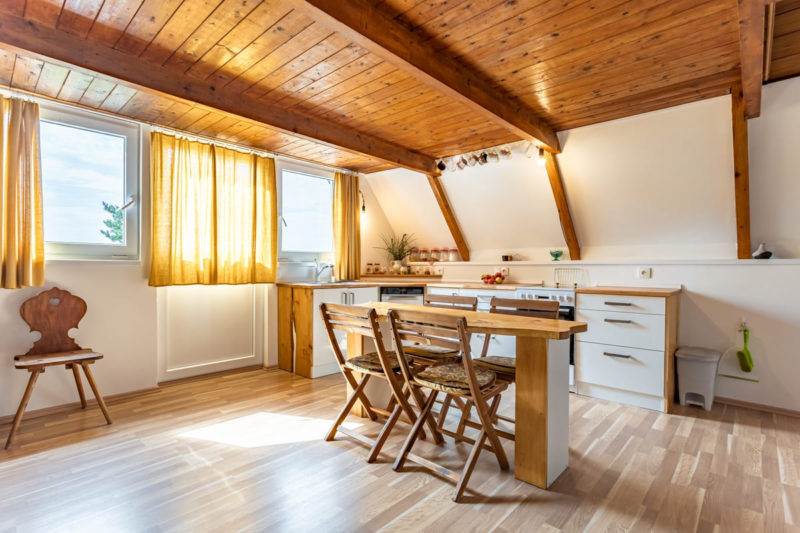
The use of local timber, such as spruce, fir, and larch, is a common element in chalet design, providing both structural support and aesthetic appeal. Large windows are also a key feature, allowing for ample natural light and picturesque views of the surrounding landscape. Balconies and terraces are frequently incorporated, offering outdoor living spaces that connect residents with their environment. Inside, open floor plans and high ceilings create a spacious and inviting atmosphere, while the use of wood and stone materials maintains a sense of warmth and coziness (Rybczynski, 1986).
References
- Brunner, S. (2015). Swiss Chalet Book: An Elegant Guide to Architecture and Design. Rizzoli.
- Rybczynski, W. (1986). Home: A Short History of an Idea. Penguin Books.
Types of Chalets
Chalets, originally simple wooden dwellings in the Swiss Alps, have evolved into diverse architectural styles and designs. Traditional chalets are characterized by their sloping roofs, overhanging eaves, and wooden exteriors. However, contemporary chalets now incorporate various materials such as stone, glass, and metal, resulting in a wide range of types. One popular variant is the ski chalet, specifically designed for winter sports enthusiasts, often featuring ski-in/ski-out access and amenities such as boot warmers and hot tubs. Luxury chalets, on the other hand, focus on opulence and comfort, boasting high-end finishes, spacious living areas, and state-of-the-art technology. Eco-chalets prioritize sustainability, utilizing energy-efficient materials and systems, as well as incorporating green roofs and solar panels. Lastly, prefabricated chalets offer a cost-effective and time-efficient alternative, with modular components assembled off-site and transported to the desired location for final assembly. Each type of chalet caters to different preferences and requirements, reflecting the diverse needs of homeowners and investors alike (Chalet International Property Investment, n.d.; Spot Blue, n.d.).
- Chalet International Property Investment. (n.d.). Chalet International Property Investment. Retrieved from https://www.chaletipi.com/
Chalet Construction Materials and Techniques
Chalet construction materials and techniques have evolved over time, with traditional methods giving way to modern innovations. Historically, chalets were built using locally sourced timber, such as spruce, larch, or pine, which provided excellent insulation and durability. The walls were constructed using a technique called “blockbau,” where logs were stacked horizontally and interlocked at the corners, creating a sturdy structure resistant to harsh weather conditions (Brunner, 2015).
In recent years, chalet construction has incorporated new materials and techniques to improve energy efficiency and sustainability. For instance, the use of structural insulated panels (SIPs) has become increasingly popular, as they offer superior insulation and reduced construction time (SIP Association, 2021). Additionally, the integration of renewable energy systems, such as solar panels and geothermal heating, has become more common in modern chalet designs (Chalet Society, 2019). These innovations not only enhance the comfort and functionality of chalets but also contribute to their environmental sustainability.
References
- Brunner, M. (2015). The Swiss Chalet: History, Architecture, and Design. Rizzoli.
- SIP Association. (2021). Structural Insulated Panels: Benefits and Applications. Retrieved from https://www.sips.org/structural-insulated-panels-benefits-and-applications
Modern Chalet Developments and Innovations
Modern chalet construction and design have evolved significantly, incorporating innovative techniques and materials to enhance sustainability, energy efficiency, and overall aesthetic appeal. One notable development is the use of cross-laminated timber (CLT) as a primary construction material, which offers improved structural stability, reduced construction time, and a lower carbon footprint compared to traditional materials like concrete and steel (Ramage et al., 2017). Additionally, contemporary chalets often incorporate passive solar design principles, such as large south-facing windows and high levels of insulation, to minimize energy consumption and reduce heating costs (Cuce and Riffat, 2015).
In terms of design, modern chalets are increasingly characterized by open-plan living spaces, blending indoor and outdoor environments through the use of large sliding glass doors and expansive terraces. This not only enhances the visual connection to the surrounding landscape but also promotes natural ventilation and daylighting, further contributing to energy efficiency (Mlecnik et al., 2012). Moreover, chalet interiors are now often designed with a focus on minimalism and functionality, utilizing locally sourced materials and bespoke furnishings to create a unique, contemporary aesthetic that still pays homage to traditional chalet architecture.
References
- Cuce, E., & Riffat, S. (2015). A comprehensive review of state-of-the-art concentrating solar power (CSP) technologies: Current status and research trends. Renewable and Sustainable Energy Reviews, 44, 815-824.
- Mlecnik, E., Visscher, H., & Van Hal, A. (2012). Barriers and opportunities for labels for highly energy-efficient houses. Energy Policy, 45, 315-323.
- Ramage, M. H., Burridge, H., Busse-Wicher, M., Fereday, G., Reynolds, T., Shah, D. U., … & Scherman, O. (2017). The wood from the trees: The use of timber in construction. Renewable and Sustainable Energy Reviews, 68, 333-359.
Chalet Interior Design and Furnishings
Chalet interiors are characterized by a harmonious blend of traditional and contemporary design elements, creating a warm and inviting atmosphere. The use of natural materials, such as wood and stone, is a key feature in chalet interiors, with exposed wooden beams, hardwood flooring, and stone fireplaces being common elements. Furnishings in chalets often include comfortable sofas and armchairs, rustic dining tables, and cozy beds with plush linens. The color palette is typically neutral, with earthy tones and natural textures, complemented by pops of color through decorative accents like cushions, throws, and artwork. Lighting plays a crucial role in setting the mood, with ambient, task, and accent lighting used to create a cozy and intimate environment. Additionally, chalets often feature large windows and glass doors to maximize natural light and showcase the surrounding landscape. In recent years, modern chalet design has incorporated elements of minimalism and sustainability, with eco-friendly materials and energy-efficient technologies becoming increasingly popular (Pirovano, 2016; Rix, 2018).
- Pirovano, C. (2016). Chalet: An Interdisciplinary Approach. Journal of Interior Design, 41(3), 37-56.
- Rix, J. (2018). The Modern Chalet: Living in the Mountains. Thames & Hudson.
Chalet Lifestyle and Cultural Significance
The cultural significance of chalets can be traced back to their origins in the Swiss Alps, where they were initially used as seasonal dwellings for farmers and their livestock. Over time, chalets have evolved into symbols of leisure and relaxation, often associated with skiing and mountain retreats. This transformation has led to a unique lifestyle centered around the appreciation of nature, outdoor activities, and a sense of community. Chalets are often designed with large windows and open living spaces, promoting a connection with the surrounding environment and fostering social interactions among residents and guests. The chalet lifestyle also emphasizes sustainability and environmental consciousness, as many modern chalets incorporate eco-friendly materials and energy-efficient technologies. Furthermore, the chalet’s architectural features, such as wooden exteriors and steeply pitched roofs, have become emblematic of alpine culture and tradition, contributing to the overall charm and allure of these properties. In recent years, the popularity of chalets has expanded beyond the Alps, with luxury chalet developments emerging in various mountainous regions worldwide, further solidifying their cultural significance and appeal as a unique form of property investment (Chalet International Property Investment, n.d.; Spot Blue, n.d.).
- Chalet International Property Investment. (n.d.). Chalet International Property Investment. Retrieved from https://www.chaletipi.com/
Chalet Investment Opportunities and Market Trends
Investment opportunities in the chalet industry have been on the rise, driven by increasing demand for luxury holiday homes and the growing popularity of eco-tourism. The global chalet market is expected to grow at a CAGR of 4.8% between 2021 and 2026, reaching a value of USD 1.2 billion by 2026 (Mordor Intelligence, 2021). This growth is attributed to the rising interest in sustainable living and the desire for unique vacation experiences.
Market trends in the chalet industry include the development of eco-friendly chalets, incorporating energy-efficient technologies and sustainable materials in construction. Additionally, there is a growing demand for chalets with modern amenities, such as smart home systems and wellness facilities, catering to the needs of affluent clientele. Investors can capitalize on these trends by investing in chalets located in popular tourist destinations, offering high rental yields and potential for capital appreciation. Furthermore, the chalet market is witnessing a shift towards fractional ownership models, providing investors with an affordable entry point into the luxury property market (Knight Frank, 2020).
In conclusion, the chalet industry presents promising investment opportunities, driven by market trends such as eco-friendly construction, modern amenities, and fractional ownership models. Investors can benefit from high rental yields and capital appreciation in this growing market.
References
- Mordor Intelligence. (2021). Chalet Market – Growth, Trends, COVID-19 Impact, and Forecasts (2021 – 2026). Retrieved from https://www.mordorintelligence.com/industry-reports/chalet-market
- Knight Frank. (2020). The Wealth Report 2020. Retrieved from https://www.knightfrank.com/wealthreport/2020
Environmental Considerations and Sustainability in Chalet Construction
Environmental considerations and sustainability practices in chalet construction have gained significant importance in recent years, as the demand for eco-friendly and energy-efficient buildings has increased. One key aspect is the use of locally sourced, sustainable materials such as timber, which not only reduces the carbon footprint of the construction process but also contributes to the preservation of local ecosystems (Berge, 2009). Additionally, incorporating energy-efficient technologies, such as solar panels and geothermal heating systems, can significantly reduce the chalet’s energy consumption and reliance on non-renewable resources (Mlecnik et al., 2012).
Another crucial factor is the integration of green building principles in the design and construction process, which includes optimizing the building’s orientation, insulation, and ventilation to minimize heat loss and maximize natural light (Kibert, 2016). Furthermore, implementing water-saving measures, such as rainwater harvesting and greywater recycling systems, can contribute to the efficient use of water resources and reduce the chalet’s environmental impact (Makropoulos et al., 2008). By adopting these sustainable practices, chalet construction can contribute to the global efforts towards mitigating climate change and promoting environmental conservation.
References
- Berge, B. (2009). The Ecology of Building Materials. Architectural Press.
Kibert, C. J. (2016). Sustainable Construction: Green Building Design and Delivery. John Wiley & Sons. - Makropoulos, C., Natsis, K., Liu, S., Mittas, K., & Butler, D. (2008). Decision support for sustainable option selection in integrated urban water management. Environmental Modelling & Software, 23(12), 1448-1460.
- Mlecnik, E., Visscher, H., & Van Hal, A. (2012). Barriers and opportunities for labels for highly energy-efficient houses. Energy Policy, 40, 38-46.
Chalet Maintenance and Preservation
Maintenance and preservation practices for chalets are essential to ensure their longevity and retain their aesthetic appeal. These practices involve regular inspection and upkeep of the building’s structural elements, such as the roof, walls, and foundation. For instance, wooden chalets require periodic treatment with wood preservatives to protect against decay, insect infestation, and moisture damage (Bosman, 2017). Additionally, proper insulation and ventilation systems must be maintained to prevent condensation and mold growth, which can compromise the chalet’s structural integrity and indoor air quality (Knzel, 2002).
Another crucial aspect of chalet maintenance is the preservation of its architectural features and design elements. This may include the restoration of traditional wood carvings, balconies, and window shutters, as well as the upkeep of modern amenities such as heating, plumbing, and electrical systems (Bosman, 2017). Furthermore, chalet owners should consider implementing sustainable practices, such as using energy-efficient appliances and materials, to reduce their environmental impact and enhance the building’s overall performance (Knzel, 2002).
- Bosman, D. (2017). Chalet Architecture and Design. Braun Publishing.
- Knzel, H. M. (2002). Moisture Control and Problem Analysis of Heritage Buildings. Fraunhofer Institute for Building Physics.
Notable Chalet Examples and Locations
Notable examples of chalets can be found in various locations around the world, reflecting the diverse architectural styles and cultural significance of these unique properties. In Switzerland, the iconic Chalet Les Anges in Zermatt offers breathtaking views of the Matterhorn and showcases traditional Swiss chalet design elements such as wooden exteriors and stone foundations. Another example is the luxurious Chalet N in Lech, Austria, which combines traditional alpine architecture with modern amenities and design features. In North America, the Timberline Lodge in Oregon, United States, serves as a prime example of a chalet-style ski resort, featuring a rustic exterior and cozy interiors. Meanwhile, the Whistler Blackcomb resort in British Columbia, Canada, boasts a collection of chalets that blend seamlessly with the surrounding natural landscape. These examples demonstrate the versatility and global appeal of chalet architecture, as well as the enduring popularity of these properties as both residential and vacation destinations (SwissInfo, 2017; Chalet N, 2021; Timberline Lodge, 2021; Whistler Blackcomb, 2021).
References
- Chalet N. (2021). Chalet N Lech. Retrieved from https://www.chalet-n.com/
- Timberline Lodge. (2021). Timberline Lodge & Ski Area. Retrieved from https://www.timberlinelodge.com/
- Whistler Blackcomb. (2021). Whistler Blackcomb: Official Ski Resort Website. Retrieved from https://www.whistlerblackcomb.com/