
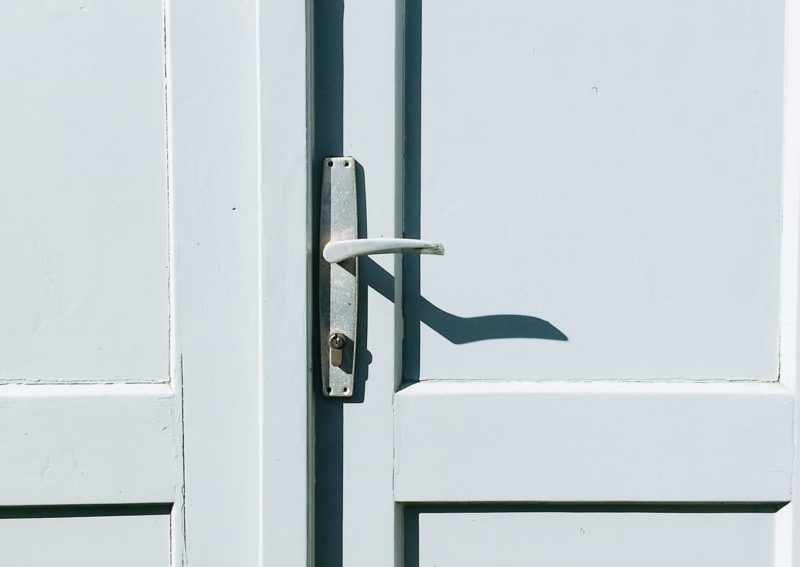
Within buildings, doors structure circulation and delineate boundaries between public and private zones, noisy and quiet areas, and conditioned and unconditioned spaces. Their design, materials, and positioning affect comfort, security, energy use, and how easily occupants can move, evacuate, and maintain the building. In international property sales, differences in door type, specification, and condition help reveal local construction practices, regulatory frameworks, and expected standards of safety and comfort, making them a notable point of analysis for overseas buyers, investors, and professionals involved in cross-border transactions.

Overview

What is the architectural function of a door?

Architecturally, a door completes an opening in a wall, partition, or façade, allowing that opening to switch between open and closed states as required. By governing when and how spaces connect, doors help define spatial hierarchies—for example, distinguishing a main entrance from secondary access routes or separating private rooms from shared areas. They also act as visual markers, signalling transitions between zones with different levels of formality, privacy, or security.

At the scale of a floor plan, the presence or absence of doors, together with door swing directions and sizes, influences how occupants navigate a building and how furniture can be arranged. In open-plan layouts, a limited number of doors may concentrate control at key thresholds, such as bedrooms and external openings, while in more compartmentalised layouts, a larger number of internal doors subdivides activities and environmental conditions more finely.

How does the built environment context shape door design?

Different building types and urban contexts impose distinct requirements on doors. In single-family dwellings, emphasis may fall on aesthetics, weather protection, and basic security at the main entrance, with interior doors selected primarily for privacy and convenience. In multi-unit residential buildings, hotel corridors, offices, and institutional facilities, design and specification must respond to higher occupant densities, more complex escape routes, and a broader range of user abilities.

External conditions also shape design. High-traffic streets, airports, and transport hubs call for robust, easily recognisable entrances that can withstand frequent use. In sheltered suburban settings, door assemblies may be more varied in form and finish, reflecting architectural styles. In each case, doors sit at the intersection of practical needs, regulatory requirements, and cultural expectations.

Why are doors important in international property sales?

In cross-border transactions, many of the assumptions local buyers take for granted about construction quality and regulation may not apply. Doors provide tangible, visible evidence that helps bridge this knowledge gap. Their configuration and condition can suggest how rigorously fire safety, accessibility, and security have been applied in a particular jurisdiction at the time of construction or refurbishment. The choice of materials and mechanisms indicates how buildings respond to local climate, such as humidity in tropical regions or wind exposure at coastal locations.

Technical due diligence documents often highlight deficiencies in door assemblies alongside other building elements, such as windows, roofs, and services. For overseas buyers, such observations inform expectations about immediate and longer-term capital expenditure, compliance risk, and the suitability of the property for intended uses, including owner-occupation, long-term rental, or hospitality operations.

Types and classifications

How are doors classified by location and function?

Doors can be classified by where they are installed and what they are intended to do:

  • Entrance doors: form the principal point of access to a dwelling or unit from the outside or from a shared circulation space. They provide security, visual identity, and weather protection.
  • Secondary and service doors: connect interior spaces to gardens, yards, plant rooms, garages, or service corridors, often supporting deliveries, maintenance, and specific operational needs.
  • Balcony, terrace, and patio doors: link interior living or sleeping areas to outdoor leisure spaces, balancing access, views, safety, and environmental control.
  • Interior room doors: separate bedrooms, bathrooms, kitchens, studies, storage rooms, and utility spaces, prioritising privacy, sound control, and odour containment.
  • Garage and ancillary doors: allow vehicle and equipment access, with mechanisms and strength designed for larger openings and frequent operation.

In larger buildings, specialist doors serve technical and operational areas, including plant rooms, equipment spaces, and secure areas, with performance criteria tailored to the level of risk or importance of the function they protect.

How do operating mechanisms vary?

Operating mechanism refers to how a door moves and how it occupies space when in use:

  • Side-hinged doors: rotate about a vertical axis at one side of the opening, using one or more hinges, and are the most common arrangement in residential interiors and entrances.
  • Pivot doors: rotate about an offset pivot set in the floor and head, enabling wide or heavy leaves and distinct visual effects, often used in feature entrances and contemporary designs.
  • Sliding doors: move along one or more horizontal tracks, either within the plane of the wall or along it, saving swing space and supporting broad openings, particularly at terraces and patios.
  • Pocket doors: slide into cavities within walls, freeing floor space but requiring sufficient wall depth and careful detailing of structure and services.
  • Bi-fold doors: consist of linked panels that fold against each other as they slide along tracks, enabling large openings that connect interior spaces to gardens and terraces.
  • Overhead sectional and roller doors: move vertically, folding or rolling above the opening, common for garages, loading bays, and industrial buildings where large clear openings are needed.
  • Automated doors: incorporate powered operators for opening and closing, often controlled by sensors, switches, or access-control systems in high-traffic or accessibility-focused contexts.

The choice of mechanism depends on space limitations, desired opening width, accessibility requirements, structural constraints, and maintenance expectations.

What are the main fire and life-safety categories?

Doors are frequently grouped by their role in fire and life safety:

  • Fire-resisting doorsets: are tested as complete assemblies to withstand fire for a specified period, helping to compartmentalise buildings and protect escape routes.
  • Smoke-control doors: focus on limiting smoke spread through seals at edges and thresholds, assisting in maintaining tenable environments in corridors, lobbies, and stairwells.
  • Egress doors: within escape routes must satisfy requirements for opening direction, clear width, ease of operation, and visibility, supporting quick evacuation.

In many codes, certain doors are designated as fire or smoke barriers and must be self-closing, fitted with appropriate hardware, and kept free of obstructions. These assemblies play a central role in protecting occupants and emergency responders during fire events, and their presence and condition are important inspection points in fire risk assessments.

How are security-oriented variants defined and used?

Security-oriented doors are designed to resist unauthorised entry and reduce vulnerability to forced attack:

  • Reinforced leaves: may employ thicker skins, metal facings, or strengthened cores.
  • Robust frames: are anchored securely to the surrounding structure, reducing the likelihood of frame failure under force.
  • Multi-point locking systems: engage at several points along the frame to distribute forces and make levering more difficult.
  • Security hinges: and hinge-side reinforcements prevent removal of the leaf from the protected side.

In some regions, security performance is expressed through resistance classes defined in test standards, which specify tools and attack durations. Such doors are typically used at main entrances to dwellings in higher-risk areas, at access points to common areas in multi-unit buildings, and at secure rooms or storage areas in commercial and industrial properties.

How do specialised contexts influence door typology?

Certain building types introduce specialised door typologies:

  • Hospitality facilities: require guest room doors that meet high expectations for acoustic separation, security, and fire performance while accommodating keycard or code access systems and frequent use.
  • Healthcare and care homes: may use doors with partial glazing for supervision, anti-ligature hardware, and wider openings to allow beds and equipment to pass.
  • Educational buildings: often combine safety, visibility, controlled access, and durability considerations, especially in corridors and classrooms.

Mixed-use developments must integrate these typologies across residential, commercial, leisure, and support functions within a single structure, balancing performance and appearance. For international property investors, understanding these typologies supports more accurate appraisal of different asset classes.

Materials and construction

Which materials are commonly used for door leaves?

Door leaves incorporate a variety of materials, each chosen for specific functional and aesthetic qualities:

  • Solid timber: leaves use boards or staves and provide familiar texture and mass, often suited to traditional and high-quality domestic interiors. They require protection against moisture and careful detailing to limit movement.
  • Engineered timber: constructions use stabilised cores and skins, such as particleboard, medium-density fibreboard, or laminated veneers, offering smoother surfaces and reduced warping risk.
  • Metal-based leaves: , usually steel or aluminium, are prevalent in fire-rated, security, and high-traffic contexts, sometimes combined with internal insulation and stiffening frameworks.
  • Polymer and composite leaves: use plastics, foams, and composite skins, which can provide good moisture resistance, reduced maintenance, and improved thermal characteristics.
  • Glass-dominated leaves: feature large glazing areas within frames, emphasising transparency and visual connection between spaces while still providing enclosure.

The selection of material is influenced by cost constraints, intended use, regional preferences, performance requirements, and compatibility with adjacent construction materials.

How do frames, thresholds, and seals support performance?

Frames, thresholds, and seals ensure that doors interface effectively with the building fabric:

  • Frames: provide structural support and alignment, holding the leaf and hardware. They must be anchored appropriately to surrounding components without creating significant thermal or acoustic bridges.
  • Thresholds: control the transition at floor level, affecting accessibility, water resistance, and maintenance. External thresholds may incorporate ramps, drip edges, or integrated drainage channels; internal thresholds are often minimal to facilitate unhindered movement.
  • Seals and weatherstripping: reduce gaps between leaf and frame or threshold, limiting air and water leakage, improving acoustic performance, and contributing to energy efficiency.

Poorly designed or deteriorated frames and seals can lead to draughts, water ingress, noise problems, and pest entry, issues that often appear in building condition surveys and influence repair priorities.

How do glazing configurations affect performance and use?

Glazing in doors influences light transmission, visual privacy, energy performance, and safety:

  • Single glazing: offers basic transparency but minimal insulation and limited sound reduction, and is mainly found in internal doors or mild climates.
  • Insulating glass units: (double or triple glazing) enhance thermal performance, and, depending on the composition, can also improve acoustic performance.
  • Toughened glass: increases strength and ensures relatively benign breakage patterns, making it suitable where occupants may be at risk of impact.
  • Laminated glass: secures fragments when broken, enhances security against forced entry, and can provide improved acoustic attenuation.

Glazing design must consider solar gains, risk of overheating, glare, and alignment with privacy needs. In balcony and patio doors, glazing choices influence how interiors feel throughout the day and seasons, impacting occupant satisfaction and energy usage.

What roles do hardware and ironmongery play beyond basic operation?

Beyond basic opening and closing, hardware and ironmongery help doors satisfy safety, comfort, and regulatory requirements:

  • Hinges: must be sized and arranged to support the leaf over time without sagging or binding, and in fire doors must resist high temperatures.
  • Locks and cylinders: range from simple latches to complex systems integrated with master-keying or electronic access, structuring who can enter particular spaces.
  • Handles and pulls: must be comfortable and accessible, with shapes and positions that suit users of varying ages and abilities.
  • Closers and controls: manage how doors shut, preventing slamming, ensuring reliable latching, and, in the case of fire doors, securing closure during emergencies.

The coordination between hardware components and leaf and frame design is critical for satisfying performance criteria; mismatched or poorly installed hardware can undermine otherwise robust doors.

How are doors manufactured and certified for performance?

Manufacturing processes and certification regimes differ by region and performance category:

  • Standard production lines: fabricate common configurations to defined tolerances, often targeting residential or commercial markets with repeatable requirements.
  • Custom fabrication: caters to unique architectural designs, historic replications, or specific functional needs, requiring closer coordination between designers, manufacturers, and installers.
  • Certification: involves testing representative assemblies at accredited facilities to verify fire resistance, smoke control, acoustic performance, thermal behaviour, or security resistance.

Certificates describe conditions of testing, including hardware, frame, and installation methods, and may specify limitations on modifications. In property transactions, especially those involving regulated occupancies such as hotels or large apartment buildings, evidence of certification can be important in establishing compliance and assessing future liability.

Functional performance

How do thermal characteristics influence comfort and energy use?

Thermal performance determines how much heat passes through a door and how effectively it limits unwanted air exchange:

  • Heat conduction: through the leaf, frame, and glazing influences heat loss in cold climates and heat gain in warm climates.
  • Air leakage: through gaps around the leaf and threshold affects draughts and infiltration-driven energy loss.
  • Thermal bridging: at frame edges and interfaces with surrounding construction can create cold spots and condensation risks.

High thermal performance, achieved through insulated cores, efficient glazing, and effective sealing, helps maintain comfortable indoor temperatures and lower energy costs. Many energy codes set minimum performance thresholds for external doors, and energy labelling schemes incorporate the cumulative effect of envelope components, including doors, into building ratings.

How does acoustic behaviour influence occupant experience?

Acoustic behaviour determines how much sound travels between spaces:

  • Mass and stiffness: of the leaf and frame, along with seals, contribute to sound reduction.
  • Flanking paths: , through walls, ceilings, and floors, can undermine the nominal performance expected from the door itself.
  • Gaps and leaks: significantly reduce effective acoustic isolation, even when the leaf is relatively massive.

In apartments, hotels, and mixed-use buildings, doors that do not sufficiently reduce sound from corridors, neighbouring units, or exterior sources can lead to disturbed sleep, reduced privacy, and occupant dissatisfaction. This is particularly relevant in international property markets where expectations around noise control may differ between countries but are increasingly important for guest and tenant satisfaction.

How do fire resistance and smoke control function in real buildings?

Fire-resisting and smoke-control doors are designed to form part of strategies that limit the spread of fire and smoke:

  • Fire-resisting doorsets: maintain structural integrity under fire conditions for a rated duration, reducing flame spread through openings.
  • Smoke-control features: such as seals and appropriate thresholds reduce smoke transmission, improving conditions along escape routes.
  • Self-closing devices: ensure that doors return to the closed position, preserving compartmentation when not being actively used.

In practice, performance depends not only on initial specification and testing but also on installation quality and ongoing maintenance. Propping doors open, removing closers, or altering frames and leaves without corresponding re-testing can significantly compromise effectiveness, issues often highlighted in fire safety audits.

How do air, water, and wind resistance affect performance?

Resistance to air, water, and wind ensures that doors protect interior spaces under normal and adverse weather conditions:

  • Air permeability: impacts draughts, comfort, and the effectiveness of heating and cooling systems.
  • Water tightness: prevents water ingress during rain, especially when driven by wind, protecting finishes and structure.
  • Wind load resistance: ensures that doors maintain structural integrity and function under design wind pressures, particularly in taller or exposed buildings.

Testing according to standardised procedures provides classification for these aspects, helping designers and specifiers match door systems to site conditions. During the life of the building, the condition of seals and hardware must be preserved to maintain performance levels.

How is durability and service life evaluated?

Durability and service life describe how long a door can perform its intended function before requiring significant repair or replacement:

  • Mechanical durability: refers to resistance to wear from repeated opening and closing, especially in high-traffic entrances and corridors.
  • Environmental durability: relates to resistance to moisture, temperature changes, ultraviolet light, and pollutants.
  • Finish durability: covers resistance to scratching, fading, and staining.

Codes and standards sometimes include durability classifications for hardware and doors, providing guidance on their suitability for different usage intensities. In existing buildings, patterns of wear, corrosion, and deformation inform estimates of remaining service life, feeding into maintenance planning and valuation processes.

Safety and security considerations

What personal safety issues can arise from doors?

Personal safety concerns associated with doors include:

  • Impact injuries: , particularly where glass is present in or near the door and not specified as safety glass in areas where people may collide with it.
  • Entrapment and crushing hazards: , especially for children or people with reduced mobility, when doors close rapidly or with excessive force.
  • Falls: , where doors open onto level changes or insufficiently guarded balconies and stairs.

Building regulations typically set requirements for safety glass in critical locations, guard heights at openings above ground level, and control of forces needed to open and close doors. Inspection of existing properties often reveals where older installations pre-date current safety norms or where wear and alterations have introduced new risks.

How are fire and evacuation needs built into door design?

For fire and evacuation, doors are designed and located to:

  • Maintain compartmentation in normal conditions and fire events where required by fire strategy.
  • Facilitate quick egress with hardware that can be operated intuitively, sometimes under low visibility or high stress.
  • Provide sufficiently wide and unobstructed openings along designated escape routes.

Codes define where doors must swing in the direction of escape, what types of latches and exit devices are permissible, and how doors should be integrated with alarm systems and emergency lighting. In international property settings, compliance with local egress provisions is significant for safety, regulatory approvals, and insurance coverage.

How is crime prevention integrated into door specification?

Crime prevention is integrated into door specification by:

  • Selecting structural designs and materials that increase resistance to forced entry.
  • Using locks and cylinders that resist common attack methods such as picking, drilling, or snapping.
  • Designing frames, hinges, and fixings that withstand attempts to lever or dislodge the assembly.

Security considerations extend beyond individual dwellings to the design of communal entrances, car parks, and service areas. In many jurisdictions, guidance on crime prevention through environmental design provides recommendations on entry visibility, lighting, and access control, all of which intersect with door planning.

How is access control configured at different building scales?

Access control configurations vary with building size and complexity:

  • Single dwellings: often use mechanical keys, sometimes supplemented by stand-alone electronic locks.
  • Multi-unit residential buildings: combine controlled access at the main entrance and stairwells with individual locking systems for each unit.
  • Commercial and institutional buildings: typically employ integrated access-control systems that manage entry rights at multiple doors, log events, and interface with security staff or monitoring centres.

Electronic systems can be configured to adapt access rights over time, aligning with tenancy changes, staff movements, or operational schedules. For property owners and managers, the choice of access-control approach affects both user convenience and security management overhead.

Regulatory and standards context

How do building regulations and codes address doors?

Building regulations and codes address doors across several thematic areas:

  • Structure: , by limiting openings in load-bearing elements and specifying performance under lateral and vertical loads where doors are large or exposed.
  • Fire safety: , by dictating where fire- and smoke-resisting doors are required and specifying performance standards and installation details.
  • Accessibility: , by requiring minimum sizes, threshold heights, clearances, and hardware characteristics to support inclusive use.
  • Energy efficiency: , by setting performance benchmarks for heat transfer and air leakage in external doors.
  • Safety and health: , by requiring safety glass in critical locations and by regulating guarding and door placement near level changes.

Compliance in new construction or major refurbishment is typically demonstrated through approved design, specification, and inspection processes. For existing buildings, compliance may depend on the regulations in force at the time of construction and any subsequent upgrades.

Which fire safety standards are relevant to doors?

Fire safety standards relevant to doors include:

  • Standards that define test methods and classification systems for fire resistance, often involving furnace tests where doors are exposed to standard time–temperature curves.
  • Requirements for marking and documentation so that installers, inspectors, and owners can identify products and verify that they are used in appropriate locations.
  • Guidance on installation and maintenance, including acceptable tolerances for gaps, requirements for intumescent seals, and the correct selection of hardware.

In multi-unit residential, hospitality, and assembly buildings, fire safety authorities may inspect doors at intervals to verify that the installed assemblies continue to meet the intended standard, particularly where occupant loads are high.

How is accessibility and inclusive design implemented in door specification?

Accessibility and inclusive design are implemented through:

  • Dimensional criteria: , specifying minimum clear widths, headroom, and manoeuvring spaces at doors along accessible routes.
  • Hardware criteria: , specifying lever handles, push–pull plates, or other devices operable without tight grasping or twisting, at heights reachable from seated and standing positions.
  • Force criteria: , limiting opening forces to values manageable by individuals with limited strength or, in some cases, requiring powered opening.

Beyond minimum regulatory requirements, many projects adopt higher accessibility standards to support ageing populations, inclusive workplaces, and universally designed housing. In international property, variations in accessibility norms across countries mean that what counts as accessible in one region may fall short of expectations in another.

How do energy and environmental regulations intersect with doors?

Energy and environmental regulations intersect with doors by:

  • Setting performance targets for external doors in terms of heat transfer, sometimes differentiated by climate zone.
  • Requiring or encouraging lower air leakage rates for building envelopes, which implies greater attention to door seals and fit.
  • Including door performance within broader environmental assessments that consider operational energy use and, in some schemes, embodied impacts.

As energy-related requirements become more stringent, the performance of doors, particularly large glazed balcony or terrace assemblies, becomes a more prominent design constraint and an area of opportunity for improving building ratings.

How do housing and community rules shape door design and replacement?

Housing and community rules shape door design and replacement in:

  • Condominiums and homeowners’ associations: , where bylaws may dictate the permitted appearance, colour, and hardware of doors visible from shared or public areas, maintaining coherent façades.
  • Historic districts: , where conservation guidelines prescribe retention or sympathetic replacement of door designs on protected buildings.
  • Managed developments: , where standardised doors help control long-term maintenance and replacement costs and simplify procurement.

For buyers, these rules influence how easily doors can be upgraded or altered, and may constrain individual preferences to maintain collective visual and functional standards.

Regional and climatic variation

How do coastal and marine environments affect door performance and maintenance?

Coastal and marine environments affect door performance and maintenance by:

  • Exposing metal components to salt-laden air, which accelerates corrosion unless corrosion-resistant materials and finishes are used.
  • Subjecting external doors to high winds and wind-driven rain, increasing demands on weather seals and thresholds.
  • Creating conditions conducive to surface degradation of timber and coatings, requiring more frequent repainting or refinishing.

Balcony and terrace doors facing the sea are particularly vulnerable, and their condition is often a reliable indicator of how well a building has been maintained. When comparing coastal properties in different countries, observing door condition helps reveal how climate, specification, and maintenance have interacted over time.

How do tropical and humid climates influence door materials and detailing?

Tropical and humid climates influence door materials and detailing by:

  • Increasing the risk of swelling, warping, and fungal growth in timber-based components if moisture control is inadequate.
  • Encouraging the use of moisture-resistant materials and finishes, as well as ventilation strategies that limit sustained high humidity at surfaces.
  • Necessitating shading and overhangs to moderate solar exposure and rain impact at external doors.

Design responses include selecting timber species or engineered products known for stability, using durable sealants and coatings, and coordinating door placement with building overhangs and shading devices. These factors are relevant to buyers assessing longevity and future maintenance obligations in tropical markets.

How do arid and high-solar-gain regions affect door design?

Arid and high-solar-gain regions affect door design by:

  • Exposing doors to intense solar radiation, which can degrade coatings, plastics, and seals over time.
  • Producing large day–night temperature swings, imposing dimensional stresses on materials and joints.
  • Elevating the importance of solar control, shading, and insulation in external doors to limit overheating and cooling loads.

In such climates, doors may use reflective finishes, insulated cores, and coordinated shading devices to manage heat gain, while materials and coatings must be chosen for ultraviolet durability.

How are storm and hazard-prone areas accommodated?

Storm and hazard-prone areas are accommodated in door design by:

  • Applying structural and impact-resistance standards requiring doors to withstand specific wind pressures and debris impacts.
  • Integrating protective systems, such as shutters or sacrificial panels, to shield openings during extreme events.
  • Influencing insurance and regulatory requirements, with compliance often required for policy coverage or building approvals.

Properties in such regions require closer examination of door specifications, particularly where older buildings pre-date modern hazard codes. Buyers and investors compare the costs and feasibility of upgrading doors to contemporary standards against potential risk exposures.

How do cultural and architectural traditions influence doors globally?

Cultural and architectural traditions influence doors by:

  • Assigning symbolic meanings to entrances, such as hospitality, status, or spiritual transition, which affect size, ornamentation, and location.
  • Shaping expectations about how open or closed façades should be, how visible doors are from the public realm, and how they mediate between indoor and outdoor life.
  • Informing the use of colours, carvings, and patterns that differentiate regions and periods.

In historic quarters and vernacular architecture, these traditions create distinctive street-level environments. Preservation and adaptation of such doors in contemporary use require sensitivity to both heritage and modern performance expectations.

Implications for property valuation and marketing

How do entrances and balcony doors influence perceived value?

Entrances and balcony doors influence perceived value by:

  • Serving as visual focal points in marketing photographs and during viewings, setting expectations for interior quality.
  • Signalling maintenance levels, as damaged or dated door assemblies can suggest deferred upkeep elsewhere in the property.
  • Expressing alignment with architectural style, either reinforcing or detracting from the building’s composition.

Prospective buyers often form impressions about construction quality from a brief inspection of these elements, using them as proxies for broader workmanship and care. In international markets where buyers may rely heavily on photographs before visiting, close attention to how doors are depicted in listings can be informative.

How do comfort, noise control, and privacy affect marketability?

Comfort, noise control, and privacy affect marketability through:

  • Influence on sleep quality and ability to rest or work undisturbed, particularly in urban and multi-unit contexts.
  • Contribution to perceived privacy between rooms and between dwellings and shared spaces.
  • Shaping tenant and guest satisfaction, which affects willingness to renew tenancies or return to rental properties.

In hospitality sectors, reviews frequently mention noise from corridors or outside as a negative factor, often linked to door performance. For rental portfolios, consistently adequate door performance reduces complaints and management interventions, supporting stable occupancy levels.

How does security perception interact with purchasing decisions?

Security perception interacts with purchasing decisions by:

  • Affecting how safe potential occupants feel when entering and leaving the property, especially at night or when alone.
  • Influencing judgments about suitability for children, older people, or high-value contents, and thus, about the pool of potential occupants.
  • Interacting with insurance conditions, where enhanced security at doors can support favourable terms or lower premiums.

For overseas buyers who may be unfamiliar with local crime conditions, visible security features and professional commentary on door security help build a more grounded understanding of risk and necessary upgrades.

How do energy performance and operating costs relate to doors?

Energy performance and operating costs relate to doors by:

  • Determining how much heating or cooling energy is lost or gained through external door assemblies and their interfaces.
  • Influencing the ability to maintain stable indoor temperatures without draughts or hot and cold spots.
  • Contributing to building energy ratings, which may factor into valuation and buyer preferences.

In commercial and multi-unit residential assets, where energy costs form a significant share of operating expenses, performance of external doors feeds into net operating income and long-term asset value. Upgrading doors can be part of broader energy-retrofit strategies, and the feasibility and impact of such upgrades are often considered in acquisition and asset-management planning.

How does refurbishment potential shape financial assessments?

Refurbishment potential shapes financial assessments when:

  • Doors are identified as candidates for near-term replacement, affecting immediate capital expenditure.
  • Compliance needs or market expectations encourage upgrades of fire doors, security doors, or balcony doors across a building or portfolio.
  • Community rules, conservation requirements, and compatibility with existing construction influence costs and logistics of replacement.

Investors and valuers often incorporate these factors into discounted cashflow models and risk assessments, particularly in multi-building or cross-border portfolios where standardisation can simplify management but may require upfront investment.

Inspection and due diligence in cross-border transactions

How do surveyors and engineers assess doors during inspections?

Surveyors and engineers assess doors during inspections by:

  • Observing physical condition, including deformation, corrosion, cracking, and wear on leaves, frames, and hardware.
  • Testing operation, ensuring that doors open and close smoothly, latch correctly, and, where relevant, self-close fully.
  • Checking interfaces and surroundings, such as seals, thresholds, and adjacent finishes, for signs of water ingress, air leakage, or poor workmanship.

Findings are recorded with notes on severity, implications, and recommended remedial actions. In cross-border transactions, such assessments provide a factual basis for discussions about price, timing of works, and any adjustments needed to match the expectations of buyers more familiar with other regulatory environments.

How is documentation used to verify compliance and performance?

Documentation used to verify compliance and performance includes:

  • Certificates and test reports: for fire-resisting and security-rated doorsets, indicating conformity with relevant standards.
  • Installation records: , showing whether products were installed by qualified contractors following manufacturer instructions.
  • Maintenance and inspection logs: , particularly for fire doors and key security doors, demonstrating ongoing attention to performance.

In international acquisitions, additional scrutiny may be applied where documentation is incomplete, outdated, or inconsistent with observed conditions. Legal and technical advisers may recommend supplementary testing or targeted replacement programmes as part of post-acquisition plans.

How do different buyer profiles prioritise door-related issues?

Different buyer profiles prioritise door-related issues according to their objectives:

  • Owner-occupiers: may focus on comfort, appearance, and everyday security for their household or household guests.
  • Residential investors: consider how door performance influences rentability, turnover, and maintenance interventions.
  • Institutional and commercial investors: may emphasise compliance, life-safety risks, and cost of bringing assets into line with internal standards or regulations.
  • Hospitality and specialised operators: examine how guest experiences, brand standards, and legal requirements converge on door specification, especially at room and corridor boundaries.

These differing priorities influence how survey findings and documentation about doors are interpreted, and how remedial works are sequenced relative to other building elements.

How does ongoing management influence long-term risk and performance?

Ongoing management influences long-term risk and performance by:

  • Establishing inspection routines to identify deterioration or non-compliant alterations before they lead to safety incidents or major failures.
  • Organising preventive maintenance, such as lubrication, seal replacement, and hardware adjustment, to prolong useful life and avoid abrupt malfunction.
  • Planning refurbishment programmes that address groups of doors efficiently, for example, by replacing all corridor fire doors in a building at once.

For international owners, clarity about management responsibilities and arrangements is especially important, as distance, language, and regulatory differences can otherwise create gaps in oversight and compliance.

Digital representation and data models

How are doors represented in building information models and asset registers?

In building information models (BIM) and asset registers:

  • Doors are created as objects with attributes, including dimensions, materials, performance ratings, and hardware sets.
  • Schedules derived from the model list doors by type, location, and performance characteristics, aiding tendering, procurement, and quality control.
  • As-built models, updated during construction, provide a record of installed products that can be used for maintenance planning and regulatory reporting.

Asset registers, whether model-based or tabular, track each door’s type, location, unique identifier, and key characteristics, supporting risk assessments and life-cycle planning, especially in large or multi-site portfolios.

How do property listings and structured data describe doors?

Property listings and structured data describe doors mainly in qualitative terms:

  • Marketing descriptions may highlight features such as “secure entrance,” “double doors to terrace,” or “traditional timber entry.”
  • Photographs often reveal door style and condition, as well as how doors relate to views, light, and outdoor areas.
  • Structured listing formats may include checkboxes or fields for security, balcony access, and accessibility, indirectly conveying information about door types.

Although detailed performance metrics rarely appear explicitly, the way doors are presented can influence how potential buyers philtre and interpret listings, especially when researching properties in unfamiliar markets.

How does smart-building integration use door information?

Smart-building integration uses information about doors by:

  • Monitoring status signals (open, closed, forced) via sensors connected to security or building management systems.
  • Controlling locking and unlocking, whether centrally scheduled or triggered by access-control events such as card presentation or code entry.
  • Logging events for security analysis, maintenance planning, and, in some cases, space-use analytics.

Such systems rely on accurate databases of doors and associated hardware, and their behaviour must align with regulatory requirements for escape and accessibility. In multi-tenant or multi-building contexts, smart-building integration adds another layer to how doors are managed within broader property strategies.

Related concepts

How do doors relate to other building-envelope components?

Doors relate to other building-envelope components as part of the broader system that separates interior and exterior environments:

  • They share performance measures with windows and curtain walls, including thermal transmittance, air permeability, and water tightness.
  • Their junctions with walls, floors, and balcony slabs are critical for preventing water ingress and air leakage, and for maintaining structural and fire integrity.
  • They interact with roofs and overhangs, which can provide shading and rain protection at entrances and balconies.

Coordinating door design with other envelope elements helps ensure that overall performance targets are met, and that maintenance strategies consider interfaces as well as individual components.

How are circulation and life-safety systems connected to doors?

Circulation and life-safety systems are connected to doors through:

  • The design of routes that occupants use for daily movement and in emergencies, including how doors mediate transitions between corridors, stairs, and external exits.
  • Placement of fire doors, which form part of the compartmentation strategy for escape and firefighting.
  • The interaction of doors with signage, lighting, alarms, and emergency equipment, which must all work together to support safe evacuation.

Doors therefore link physical layouts with operational and safety strategies, making them key components in both design documentation and emergency planning.

How do security and risk management frameworks include doors?

Security and risk management frameworks include doors as central elements in:

  • Boundary definition: , deciding where public access ends and controlled access begins in both external and internal sequences.
  • Incident prevention: , where well-designed and maintained doors reduce opportunities for opportunistic theft, vandalism, or unauthorised access.
  • Response planning: , where knowledge of door locations, ratings, and access-control configurations informs emergency and continuity procedures.

In risk assessments and security audits, doors are evaluated alongside surveillance, lighting, and organisational measures, forming part of layered defence strategies.

How are doors considered in appraisal and inspection methodologies?

Appraisal and inspection methodologies consider doors by:

  • Evaluating them as representative elements of building fabric quality and maintenance culture.
  • Identifying defects and non-compliances that may have implications for safety, regulatory status, or future costs.
  • Feeding observations into valuation models, where adjustments are made for condition, obsolescence, and anticipated capital works.

In cross-border contexts, consistent documentation of door conditions and performance helps investors compare assets across markets and align acquisitions with internal standards.

Future directions, cultural relevance, and design discourse

How might regulatory and environmental developments influence future door design?

Regulatory and environmental developments may influence future door design through:

  • Tightening energy-efficiency requirements, encouraging further advances in insulated cores, high-performance glazing, and improved sealing.
  • Evolving fire and smoke standards, which may refine classification systems, testing conditions, and requirements for installation and maintenance documentation.
  • Greater emphasis on universal design, prompting more widespread adoption of inclusive hardware, powered opening, and accessible thresholds.

As climate adaptation concerns grow, doors may also play more explicit roles in resilience strategies, such as resisting floodwater or supporting safe ventilation patterns during heatwaves.

How could demographic and lifestyle changes affect expectations of doors?

Demographic and lifestyle changes could affect expectations of doors by:

  • Driving demand for flexible internal configurations, where doors support rapid reconfiguration of spaces for work, study, and living within the same dwelling.
  • Increasing the importance of acoustic and privacy performance, especially as remote work and multigenerational living arrangements become more common.
  • Reinforcing interest in secure yet welcoming entrances, as buildings accommodate more deliveries, visitors, and part-time occupants.

These trends may lead to more nuanced design responses, balancing openness and separation within both new and existing housing, and across different cultural contexts.

How do cultural narratives and architectural discourse shape the ongoing role of doors?

Cultural narratives and architectural discourse shape the ongoing role of doors in several ways:

  • Viewing doors as thresholds that structure encounters between inside and outside, public and private, and different social domains.