
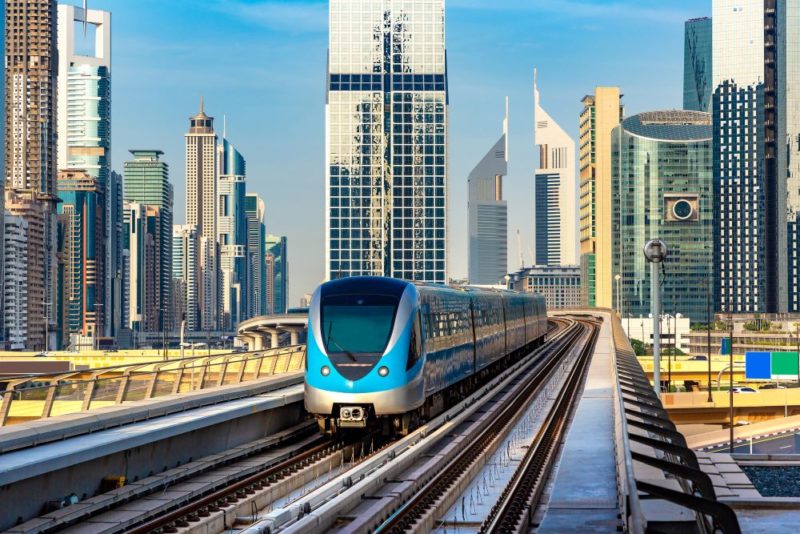
Office buildings provide the physical setting for a substantial share of employment in advanced and urbanised economies. They house a wide variety of occupiers, including corporate headquarters, professional services, financial firms, technology companies, public administration, and non‑governmental organisations. The concentration of such activity in particular buildings and districts reflects agglomeration effects, transport infrastructure, historic development patterns, and policy decisions guiding commercial uses to specific zones.

Within commercial real estate, offices are often regarded as long‑lived assets capable of generating rental income through leases spanning several years. Their risk and return characteristics are influenced by location, specification, environmental performance, tenant mix, lease structures, and macroeconomic conditions. Institutional investors, private funds, listed vehicles, corporations, and individuals hold office assets directly or indirectly, both domestically and across borders, as part of diversified portfolios.

Global investment in offices has increasingly taken on a cross‑border character, with capital flowing between regions and into cities perceived as stable, transparent, or fast‑growing. Foreign investors must navigate differences in property law, taxation systems, planning frameworks, and occupational custom, frequently relying on local professional advisers and international real estate consultancies. At the same time, changes in work organisation, particularly the spread of remote and hybrid arrangements, and the progressive tightening of environmental and climate‑related regulation, are prompting reassessment of how office buildings are designed, refurbished, and managed.

Definition and classification

General characteristics

Office buildings are constructed to provide enclosed environments in which people undertake desk‑based and meeting‑based tasks supported by communication systems. Typical elements include open work areas or cellular offices, meeting and conference rooms, reception and circulation spaces, sanitary facilities, and plant rooms. Structural grids and façades are generally designed to maximise regular floorplates and daylight penetration while accommodating services and vertical circulation.

In planning and regulatory systems, offices are usually grouped under specific land‑use categories distinct from retail, industrial, warehousing, and residential uses. These categories reflect differences in expected traffic levels, noise, servicing requirements, and infrastructure demand, with implications for where such buildings may be located. Conversion between office and other uses often requires planning approval or compliance with change‑of‑use provisions.

Quality grades and specification

Practitioners classify office stock by relative quality, specification, and location. A commonly used though non‑standardised framework distinguishes:

GradeTypical characteristics
ARecently constructed or comprehensively refurbished; high technical specification; efficient floorplates; strong environmental performance; located in prime or highly accessible areas.
BOlder but functional stock; adequate building services; acceptable but less flexible layouts; may lack some contemporary amenities or performance benchmarks; generally in established but not top‑tier locations.
CAgeing or functionally outdated stock; limited energy or comfort performance; less efficient layouts; often in secondary or peripheral locations; frequently considered for refurbishment, repositioning, or conversion.

Analysts also refer to prime and secondary offices. Prime assets typically combine high specification, strong location, established demand, and tenants regarded as financially robust, resulting in lower yields and higher capital values. Secondary assets may have weaker location, specification, or leasing fundamentals, yielding higher initial returns but often involving greater leasing and capital expenditure risk.

Functional types and roles

Office buildings can be distinguished by their functional role and context. Central business district (CBD) offices are located in dense urban cores, often in mid‑ and high‑rise forms, and accommodate headquarters and major operations of corporations, financial institutions, and professional firms. Secondary business districts may arise in regenerated docklands, around transport hubs, or in redeveloped industrial zones, sometimes offering more modern stock or different cost and amenity combinations.

Suburban offices and business parks are situated beyond traditional city centres, frequently in lower‑rise, campus‑style arrangements with emphasis on car access and landscaped surroundings. These locations may attract back‑office operations, shared service centres, or businesses prioritising space and cost over prestige or centrality.

By occupier arrangement, single‑tenant buildings host one organisation, often with bespoke fit‑out and strong corporate identity, while multi‑tenant buildings contain separate suites or floors for multiple occupiers under separate leases. Flexible workspace, including serviced offices and co‑working environments, is typically delivered within conventional office buildings by specialist operators, who provide fitted space and services on shorter, more flexible agreements.

Physical and technical attributes

Measures of size and efficiency

Office buildings are described using several measures of area and efficiency:

  • Gross floor area (GFA): the total constructed area, often including structural elements, cores, service spaces, and sometimes car parking.
  • Net lettable area (NLA): or net internal area: the area available for exclusive occupation by tenants, excluding common parts, cores, and major plant rooms.
  • Efficiency ratio: the proportion of GFA that is lettable, commonly expressed as NLA divided by GFA.

Higher efficiency ratios indicate that a greater share of built space can generate rental income, though extremely high ratios may involve compromises in circulation or services. Floorplate size and geometry influence occupiers’ ability to configure space; regular, rectangular floorplates with sensible core locations are generally considered easier to plan than irregular or overly deep configurations where daylight penetration diminishes.

Floor‑to‑ceiling height affects both spatial perception and the feasibility of accommodating suspended ceilings, raised floors, and services while maintaining comfort. Tall floor‑to‑ceiling dimensions facilitate flexible layouts and future technical upgrades, while lower heights can constrain uses and affect perceived quality.

Structural systems and building services

The structural system, typically steel, reinforced concrete, or a composite, provides the framework that supports loads, resists lateral forces, and influences internal spans and column spacing. Designs with longer spans and fewer internal columns allow more flexible layouts, whereas tighter grids can constrain space planning but may be associated with lower construction costs.

Mechanical, electrical, and plumbing (MEP) systems support the building’s operation. Heating, ventilation, and air‑conditioning (HVAC) systems manage thermal comfort and air quality. Their design affects energy consumption, noise levels, and adjustability for different occupancy patterns. Electrical systems distribute power to lighting, outlets, and equipment, and may incorporate contingencies such as backup generators or uninterruptible power supplies for critical occupiers. Water supply and drainage serve sanitary facilities and other uses such as food preparation or specialist processes.

Fire detection and alarm systems, fire suppression where installed, and passive measures such as fire‑rated compartments and protected stairwells are designed to meet regulatory requirements and support safe evacuation. Lifts and escalators enable vertical movement and must be sized and arranged to handle peak flows without undue delay, while also serving as part of emergency evacuation strategies for people with reduced mobility.

Digital and security infrastructure

Modern office use is highly dependent on digital connectivity. Buildings incorporate communication risers, server or communication rooms, and structured cabling routes to provide reliable data services to occupiers. Fibre‑optic connections and redundant routes are often sought by firms with high bandwidth needs. Telecommunication infrastructure may also accommodate multiple service providers, giving occupiers choice and resilience.

Security infrastructure encompasses access control systems for entrances, lifts, and individual floors; visitor management systems; and surveillance cameras in shared spaces such as lobbies and car parks. These systems aim to balance safety and user convenience while respecting privacy and regulatory constraints. Integration between building management systems and access or security controls can support efficient operation and monitoring.

Environmental performance and comfort

Environmental performance is assessed through regulated metrics and voluntary schemes. Energy performance certificates classifying buildings by estimated or measured energy use and emissions are common in many jurisdictions. Voluntary assessment frameworks evaluate building design and operation across categories such as energy, water, materials, transport, and indoor environmental quality.

Aspects of environmental performance include:

  • Thermal efficiency: insulation, façade design, and control systems reducing heat loss or gain.
  • Ventilation: provision of adequate fresh air and extraction, potentially supplemented by natural ventilation where climate and context allow.
  • Daylighting: window size, glazing type, and layout that maximise useful daylight while managing glare and solar gain.
  • Acoustics: control of noise from outside and between internal spaces to support concentration and privacy.

Comfort and environmental quality affect occupant health and productivity and may influence occupier decisions when selecting premises. Environmental legislation and corporate sustainability commitments increasingly drive investment in upgrading existing buildings and designing new ones with lower operational and embodied emissions.

Location and urban context

Central business districts and financial cores

Central business districts (CBDs) are dense urban areas where commercial and administrative activities concentrate. Office buildings in CBDs are often located close to major transport hubs, civic institutions, and cultural amenities. Land values and demand for space in such areas encourage vertical development, resulting in mid‑ and high‑rise towers that shape city skylines.

Financial cores within CBDs may host a concentration of banking, insurance, trading, and international corporate functions. Buildings here are perceived as offering prestige addresses and convenient access to other professional services, such as law and consulting firms. High occupancy and limited development sites can maintain strong rental levels, though these markets can also be sensitive to global financial and regulatory shifts.

Secondary centres, corridors, and polycentric structures

Beyond the primary CBD, many cities feature secondary business districts. These can originate in redeveloped harbours, former industrial areas, or zones around major transport interchanges. Secondary centres may offer modern buildings, different cost structures, or distinct identities appealing to specific sectors such as media, technology, or life sciences.

In polycentric metropolitan regions, multiple office clusters can share functions. Corridors of commercial development along rail or motorway routes may link centres, with office buildings interspersed among other uses. The distribution of office space across such networks affects commuting patterns, public transport planning, and the resilience of employment to localised shocks.

Suburban office zones and business parks

Suburban office zones and business parks provide an alternative to central positions. They often feature mid‑rise buildings with larger floorplates, set in landscaped grounds with on‑site parking. Some are located near motorway junctions or ring roads, facilitating access for employees and logistics. Occupiers may include back‑office operations, call centres, engineering firms, and organisations whose activities do not require central locations.

These environments can offer lower occupancy costs and quieter settings but may face challenges relating to car dependence, limited local services, and changes in commuting preferences. Over time, some suburban areas have been integrated into broader growth corridors or upgraded with improved public transport links, while others struggle with vacancy if demand shifts decisively towards more central or amenity‑rich areas.

Accessibility, amenities, and public realm

Accessibility and local amenity strongly influence office performance. Proximity to rail, metro, tram, and bus networks affects the ease with which employees, clients, and suppliers can reach premises. Buildings within walking distance of major multi‑modal hubs typically command higher rents and experience stronger demand than those requiring longer or less predictable journeys.

Local amenities, including shops, cafés, restaurants, cultural venues, and green spaces, contribute to the attractiveness of office locations. Employees may favour districts where daily needs and leisure options are easily accessible before, during, or after working hours. Public realm quality—covering aspects such as streetscape design, lighting, perceived safety, and cleanliness—also shapes experience and decision‑making. Urban policies that support walkability, cycling, and mixed‑use environments can interact with office demand and values.

Tenancy and use

Occupier types and sectoral patterns

Office buildings host a diverse range of occupiers. Large corporations use them for command centres, regional and national headquarters, and specialist functions like research, risk management, or design. Professional service firms, including law practices, accountancies, and consultancies, occupy suites or floors, often in CBDs and financial districts. Technology companies may locate in both traditional centres and emerging clusters aligned with universities or innovation ecosystems.

Public administration uses office space for ministerial departments, agencies, and local government, sometimes occupying stand‑alone buildings and sometimes sharing multi‑tenant complexes. Non‑governmental organisations, international agencies, trade associations, and cultural institutions also make use of office premises. The sectoral composition of occupiers influences a building’s exposure to different economic drivers and policy changes.

Internal layout and workplace concepts

The internal layout of office space reflects organisational structures and work patterns. Historically, many offices featured cellular rooms for managers and professionals along corridors, with ancillary spaces for support functions. As information technology and management theories evolved, open‑plan layouts gained prominence, providing large shared spaces for desks and minimal internal walls, purportedly supporting communication and flexibility.

Subsequent workplace strategies have introduced more nuanced approaches. Activity‑based working environments seek to provide a variety of spaces tailored to different tasks, including quiet zones, project rooms, collaboration areas, and informal social spaces, in addition to standard desk areas. Fit‑out solutions are expected to support both focused individual work and group interaction, with integrated technology for meetings and communication.

Layout flexibility—the ease with which partitions, services, and furniture can be rearranged—has become a valuable attribute. Buildings with regular floorplates, adequate floor‑to‑ceiling height, and accessible service runs are better able to support evolving work concepts without costly alterations to the base structure.

Effects of remote and hybrid working

Remote and hybrid working practices, enabled by digital communication tools and organisational adaptation, have altered how intensively offices are used and what functions they perform. In some organisations, offices have shifted from being the default place of daily work to acting as hubs for meetings, collaboration, training, and client interaction, with more individual tasks carried out elsewhere.

These changes have implications for space requirements, occupancy patterns, and design. Peak occupancy may occur on particular days of the week, and average desk utilisation can fall if employees attend on a rotational basis. Some employers have reduced space, renegotiated leases, or reconfigured layouts, while others have maintained or increased space to provide more generous, collaborative environments. Landlords and investors monitor these trends to understand potential impacts on demand, leasing models, and the types of amenities that attract and retain occupiers.

Legal and ownership structures

Property rights and title

Property rights governing office buildings vary by legal system but share common features. Freehold or equivalent ownership grants long‑term rights to possess and control land and buildings, subject to regulation and private encumbrances. Leasehold interests confer time‑limited rights to use and occupy premises under a lease agreement, with obligations and restrictions defined by contract and law.

In multi‑unit buildings, condominium or strata regimes allow different parties to own separate units, while jointly owning and managing common areas through owners’ associations or corporations. These frameworks provide mechanisms for decision‑making, cost sharing, and maintenance of shared systems and spaces. Title systems based on land registers or deed recording evidence ownership and encumbrances; the reliability and transparency of such systems influence investor confidence.

Ownership patterns and investment vehicles

Office buildings may be owned by individuals, family companies, private firms, or corporate owner‑occupiers. Special‑purpose vehicles, established as separate legal entities to hold single assets or portfolios, are common in investment transactions, simplifying ownership transfer and isolating risks. Shares in these vehicles can be held by institutional investors, fund managers, or private shareholders.

Collective investment vehicles—such as private real estate funds and listed real estate investment trusts—pool capital from numerous investors to acquire and manage portfolios across regions and property segments. Such structures provide access to office markets for investors unable or unwilling to buy individual buildings. Insurance companies, pension funds, and sovereign wealth entities often allocate capital to office property through these vehicles or directly, seeking long‑term, inflation‑linked income and diversification.

Regulation of development and operation

Regulation of office development and operation is administered through building codes, planning and zoning instruments, and environmental and workplace legislation. Building codes set standards for structural integrity, fire safety, sanitary provision, ventilation, and accessibility. They may be updated over time, requiring owners to adapt existing buildings or demonstrate equivalence.

Planning and zoning frameworks determine where offices may be constructed or converted, set parameters for height, massing, and site coverage, and sometimes require contributions to infrastructure, affordable housing, or public space in exchange for permissions. Conservation designations limit alterations to buildings or areas of historic or architectural significance, influencing refurbishment options and costs.

Operational regulations include occupational health and safety requirements, including those governing emergency preparedness, ergonomics, indoor environment, and lifts. Accessibility legislation aims to ensure that buildings can be used by people with disabilities, prompting the installation of ramps, lifts, accessible sanitary facilities, and visual or auditory aids. Environmental regulations increasingly address energy performance, air quality, and waste management, shaping both design and ongoing management.

Lease arrangements and income structures

Principal forms of leasing

Leasing is the main mechanism through which occupiers obtain rights to use office space. In a single‑tenant building, one organisation leases the entire lettable area, often with significant autonomy over internal arrangements and sometimes with extensive responsibility for maintenance and repairs. Multi‑tenant arrangements involve multiple leases for distinct suites or floors, with the owner or appointed manager providing shared services and common area maintenance.

Serviced office and co‑working providers commonly occupy space under a conventional lease and then grant licences or short‑term agreements to end users that include bundled facilities, furniture, and services. This arrangement shifts some occupancy risk and operational complexity from end users to the operator. Lease structures may be configured as gross, with many operating costs included in the rent, or as net, where tenants pay base rent plus service charges for common expenses.

Key terms affecting risk allocation

Lease contracts allocate rights and obligations between owners and occupiers regarding duration, renewal, rent, cost responsibility, and use restrictions. Important terms include:

  • Lease length: the fixed term during which the tenant has rights of occupation, which can range from a few years to several decades.
  • Break clauses: provisions allowing either party, typically the tenant, to terminate the lease early under certain conditions.
  • Rent review: mechanisms for adjusting rent over time, which may be index‑linked, pre‑agreed stepped increases, or open‑market reviews subject to negotiation.
  • Repairing obligations: responsibilities for maintaining and repairing structural elements, building services, and internal finishes, which may fall primarily on either owner or tenant depending on lease type.
  • Use and alteration provisions: rules governing how premises may be used, sublet, or altered, often subject to owner consent.

Service charges apportion the cost of maintaining and operating common areas and shared systems among tenants. The method for calculating and reconciling these charges, and the extent to which they can be increased, is a common focus of negotiation and can affect tenants’ overall occupancy costs and owners’ net income.

Assessing occupancy and income stability

Occupancy and lease-term profiles are key inputs to investment and lending decisions. A building with a high occupancy rate, balanced tenant mix, and staggered lease expiries may be viewed as offering more stable income than one with significant vacancy or a “cliff” of simultaneous lease expiries. Weighted average unexpired lease term (WAULT) summarises the average remaining lease length across tenants, weighted by income.

Covenant strength, reflecting tenants’ perceived ability and willingness to meet obligations, is evaluated based on financial statements, credit ratings where available, sector prospects, and local reputation. Diversification of tenants by sector and size can mitigate the impact of any one tenant’s difficulties. Conversely, heavy reliance on a small number of large tenants may increase concentration risk, even where leases are long.

Investment characteristics

Portfolio roles and strategies

Office property plays varied roles within real estate and broader investment portfolios. For some investors, high‑quality offices in established districts offer stable income streams and a hedge against inflation, fitting within long‑term liability‑matching strategies. For others, offices present opportunities to generate higher returns through active management, repositioning, or development in growing locations.

Investment strategies are commonly framed in terms of risk–return profiles:

  • Core: focus on fully let, high‑quality assets in strong locations, aiming for relatively stable income with limited operational risk and modest leverage.
  • Core‑plus: similar to core but with some exposure to leasing risk, secondary locations, or minor refurbishment.
  • Value‑add: target underperforming or partially vacant assets, secondary locations, or buildings requiring significant upgrades, seeking to enhance income and value through leasing and capital expenditure.
  • Opportunistic: invest in development projects, major repositioning, distressed assets, or markets undergoing transition, often with higher leverage and greater return variability.

Valuation methods and performance metrics

Estimating the value of office buildings involves analysis of income, costs, and comparable transactions. Valuers and analysts commonly employ:

  • Income capitalisation: applying a market‑derived capitalisation rate to current or stabilised net operating income, producing a value that reflects expected yields under prevailing conditions.
  • Discounted cash‑flow (DCF) analysis: modelling projected cash flows from rents, operating costs, vacancy, and eventual sale over a defined period, then discounting these flows at a specified rate to reflect risk and time value.
  • Sales comparison: comparing recent transactions of similar buildings, adjusting for differences in location, condition, size, specification, and lease profile.

Performance metrics include yield or capitalisation rate (net operating income divided by value), price per unit of area, and internal rate of return on projected cash flows. Over time, investors also assess volatility, correlation with other assets, and resilience during downturns. Benchmarks and indices constructed from samples of office assets in particular markets provide reference points for relative performance.

Asset‑level and market‑level risk factors

Risk at the asset level arises from location, building characteristics, leasing, and management. Buildings in central, accessible, and amenity‑rich locations typically experience more stable demand than those in peripheral or mono‑functional areas. Specification, including environmental performance, can influence both operating costs and desirability to tenants with their own sustainability objectives. Leasing risk reflects vacancy, lease expiry patterns, and tenant covenants.

Market‑level risks include economic cycles, structural changes in industries that constitute major office occupiers, shifts in working patterns, and regulatory change. Rising interest rates affect both discount rates and financing costs, influencing values and transaction activity. Planning or environmental policy changes can alter the economics of development, refurbishment, and operation.

Capital expenditure and repositioning

Capital expenditure decisions shape the trajectory of office assets. Owners must decide when to replace building systems, upgrade façades, reconfigure space, or improve environmental performance. Such programmes may be undertaken reactively, in response to system failure or regulatory pressure, or proactively, to attract new occupiers, command higher rents, or align with changing markets.

Repositioning projects might involve transforming a building from single‑tenant to multi‑tenant occupancy, adding amenities such as shared meeting suites or cafés, or redesigning ground‑floor interfaces to better integrate with surrounding streets. In some cases, more radical changes—such as partial conversion to alternative uses—are considered when demand for traditional office use wanes. The timing and scale of these investments are assessed against expected income uplift, cost savings, and extended economic life.

Cross‑border investment context

International investment flows and motivations

Cross‑border investment in office property has expanded with financial market integration and deregulation. Investors seek exposure to cities perceived as having transparent legal systems, robust economic bases, and deep occupier demand. Office assets in such cities are often seen as stores of value and vehicles for long‑term income, alongside domestic holdings in investors’ home markets.

Motivations for cross‑border investment include diversification by geography and currency, access to growth or stability not available domestically, and alignment with global or regional strategies of corporate and institutional investors. Some investors focus on global “gateway” cities, while others intersperse holdings in regional capitals or emerging hubs offering different risk–return characteristics.

Legal frameworks affecting foreign ownership

Foreign investors must operate within legal frameworks governing property acquisition and ownership by non‑residents. Some jurisdictions permit foreign ownership of most types of property subject to general registration and taxation rules. Others restrict foreign ownership in particular zones, impose caps on the proportion of a development that may be owned by non‑nationals, or require approvals from investment or planning authorities.

Transaction processes may involve additional steps for non‑resident buyers, including requirements for local legal representatives, translation of documents, and compliance with investment screening mechanisms. Screening may consider factors such as national security, strategic infrastructure, and economic effects. These rules influence both the feasibility and timing of acquisitions.

Taxation structures and planning considerations

Tax regimes for non‑resident investors are complex and varied. In broad terms, three layers of taxation can be distinguished:

  • Acquisition taxes: transfer taxes, stamp duties, or registration fees levied on purchases, often calculated as a percentage of price.
  • Holding taxes: recurrent property taxes based on assessed values or other criteria, and income taxes on rental income, sometimes levied via withholding at source.
  • Exit taxes: capital gains taxes or equivalent charges on the profit realised upon disposal, which may apply differently to direct holdings and to shares in property‑holding entities.

Double taxation agreements between countries influence whether and how taxes are credited or exempted when income or gains are taxable in more than one jurisdiction. Ownership structures, such as local companies, partnerships, or funds, affect the allocation of tax liabilities and access to treaty benefits. Specialist tax advice is therefore common in cross‑border office investment.

Currency exposure and financing approaches

Currency risk is inherent when investors hold assets denominated in currencies different from their own reporting currency. Movements in exchange rates can amplify or offset local income and value changes. Hedging strategies using forwards, swaps, or other instruments can mitigate but not eliminate this risk and add cost and complexity.

Financing decisions encompass where and in what currency to borrow, at what loan‑to‑value ratios, and on what terms. Local financing may align debt service with rental inflows and benefit from lenders’ familiarity with markets and collateral, but interest‑rate cycles and banking conditions may differ from those in the investor’s home country. Cross‑border financing arrangements must take account of regulatory capital requirements, tax implications, and legal enforceability.

Market dynamics and trends

Economic drivers of office demand

Office demand is closely linked to the scale and composition of service‑sector employment. Growth in professional, financial, and business services, as well as information technology and creative industries, often translates into increased need for office space, though productivity gains and changing workstyles can moderate this relationship. Regions with strong knowledge‑based economies and diversified sectors may experience sustained demand for offices even when certain industries contract.

National and regional macroeconomic conditions—such as gross domestic product growth, interest rates, and business confidence—affect both occupier expansion and investment decisions. External shocks, including financial crises and public health emergencies, can rapidly reduce demand, increase vacancy, and alter occupier priorities, sometimes accelerating pre‑existing structural trends.

Supply cycles, development, and conversions

The supply of office space changes through new construction, major refurbishments, and conversions. Development cycles are influenced by land availability, planning permissions, construction costs, and capital market conditions. During strong markets, pipelines of new projects can swell; if demand weakens before completion, oversupply can emerge, affecting rents and occupancy.

Major refurbishments can extend the life of buildings and reposition them in the market, often improving environmental performance and amenities. Conversions of offices to other uses—most commonly residential or hotel—remove stock from the office sector, potentially relieving oversupply in some locations. Governments may encourage such conversions through simplified planning processes or incentives where there is perceived overprovision of office space or shortage of other uses.

Environmental regulation and climate risk

Environmental regulation increasingly shapes office markets. Minimum energy performance requirements, emission reduction targets, and disclosure obligations are progressively tightening in many jurisdictions. Buildings with poor performance ratings may become harder to let or sell, or require substantial investment to achieve compliance. Occupiers with their own environmental commitments may avoid such buildings, altering demand patterns.

Climate risk considerations encompass both acute events—such as floods, heatwaves, storms—and chronic changes, including rising temperatures and sea levels. Offices in areas exposed to such risks may require adaptation measures, such as improved drainage, resilient façades, or revised operational protocols. Investors and lenders are integrating climate risk assessments into due diligence and portfolio management, which can affect capital allocation and pricing.

Changing patterns of work and location preference

Patterns of work are evolving in response to technological, demographic, and cultural factors. The capacity for remote and hybrid working reduces the necessity for all employees to be present simultaneously in a single location, prompting reconsideration of office portfolios and space standards. Some occupiers focus on consolidating into fewer, higher‑quality locations, while others adapt satellite or hub‑and‑spoke arrangements.

Locational preferences are influenced by the interplay between workplace strategy and quality of life considerations. Cities and districts perceived as offering attractive housing, transport options, and urban environments may see stronger office demand from both employers and employees. Conversely, areas struggling with congestion, high costs, or declining amenities may face challenges maintaining office occupancy, especially if alternative locations offer competitive advantages.

Assessment and due diligence

Technical investigations and building condition

Technical investigations assess the physical state of office buildings and identify risks and future obligations. Structural surveys examine the integrity of frames, foundations, façades, roofs, and key components. Defects such as corrosion, cracking, water ingress, and material degradation are documented, and their implications for safety, performance, and cost are evaluated.

Mechanical and electrical audits focus on HVAC systems, electrical distribution, lighting, lifts, fire safety installations, and control systems. They assess compliance with regulations, energy performance, reliability, and remaining life. Recommendations may include immediate repairs, medium‑term upgrades, and long‑term replacement programmes, which feed into asset management plans and financial models.

Legal verification and contractual analysis

Legal verification ensures that the rights being acquired are valid, enforceable, and free from undisclosed encumbrances. Reviews of title and land registry entries confirm ownership and reveal mortgages, easements, and other rights affecting the property. Planning and building control histories are checked to ensure that construction and subsequent alterations were authorised and comply with conditions.

Leases, licences, and other occupational agreements are analysed to determine rent, term, tenant obligations, and rights relating to assignment, sub‑letting, and alteration. Guarantees, break options, rent‑free periods, and service‑charge caps are identified. Any pending disputes, rent arrears, or alleged breaches inform an understanding of ongoing risk. For cross‑border investors, ensuring that translations and legal opinions accurately convey the effects of local law is essential.

Financial review and projections

Financial due diligence reviews historical and projected financial performance. Historical income statements and rent rolls reveal actual rents achieved, void periods, rent abatements, and tenant turnover. Expense records and service‑charge accounts detail operating costs and how they are allocated between owner and tenants. These data allow calculation of historic net operating income and assessment of cost recoverability.

Projections incorporate leasing assumptions, expected rent levels at expiry, re‑letting periods, incentives, and anticipated changes in operating costs and property taxes. Scenarios may include different trajectories for occupancy, rents, and capital expenditure. Lenders and investors assess whether cash flows support proposed levels of debt and deliver returns commensurate with perceived risks.

Environmental, social, and governance considerations

Environmental due diligence investigates potential liabilities arising from past or present contamination, such as remnants of industrial uses or hazardous materials. Site assessments may include phased investigations involving desk studies, field sampling, and laboratory testing. Compliance with environmental regulations and permits for aspects such as emissions, waste, and water use is also evaluated.

Social and governance factors can include the building’s relationship with neighbourhoods, access to employment, and adherence to health and safety practices. Investors with formal environmental, social, and governance (ESG) policies integrate such considerations into acquisition and management decisions, sometimes requiring specific performance indicators or improvement plans over the holding period.

Relation to other asset types

Comparison with retail and logistics property

Compared with retail property, office buildings rely less directly on consumer spending and more on business and public‑sector demand. While both sectors can be affected by macroeconomic conditions, retail assets are particularly sensitive to shifts in shopping habits, online commerce, and retailer profitability. Lease structures and lengths can differ, with some retail sectors favouring shorter, turnover‑linked arrangements.

Industrial and logistics assets differ in physical configuration, location preferences, and demand drivers. They commonly feature large, high‑clearance spaces, loading docks, yard areas, and proximity to highways, ports, or rail freight terminals. Their users—distribution companies, manufacturers, and logistics providers—respond to trade flows, supply‑chain strategies, and industrial activity, rather than office‑based employment.

Interaction with residential and hospitality sectors

Offices interact with residential property by generating demand for housing within commuting range and influencing neighbourhood development. In some markets, surplus or obsolete offices have been converted to residential use, especially where there is housing pressure and offices no longer meet occupier needs. Such conversions can be complex, given differences in layout, services, daylight requirements, and regulatory compliance.

Hospitality assets, including hotels and serviced apartments, intersect with office markets in business districts, as they accommodate business travellers, conference attendees, and corporate guests. In some cases, hotels form part of larger mixed‑use complexes that include office space, sharing amenities and infrastructure. The cyclicality of tourism and business travel differs from that of office demand, offering potential diversification but also introducing distinct operational risks.

Offices within mixed‑use developments

Mixed‑use developments combine offices with other property types, creating integrated environments where people can live, work, shop, and use services. Office components contribute daytime population and support retail and service uses at ground level, while residential and leisure elements provide evening and weekend activity. Such developments can enhance urban vitality and reduce travel needs.

However, combining uses requires careful planning of access, servicing, noise management, and shared facilities. Ownership and management structures must allocate responsibilities and decision‑making rights among different stakeholders. Financially, the office component may cross‑subsidise other uses or vice versa, depending on demand, costs, and policy requirements.

Future directions, cultural relevance, and design discourse

Prospects for office form and function

Future office form and function are expected to reflect evolving working patterns, organisational strategies, and societal expectations. As hybrid and remote working become more established in some sectors, offices may increasingly serve as spaces for collaboration, learning, and social interaction rather than solely individual desk work. This shift could lead to more varied internal landscapes, with a greater share of communal and flexible areas and a reduced emphasis on dedicated desks.

Simultaneously, some activities may remain closely tied to physical co‑location due to confidentiality, equipment requirements, or collaborative intensity. Office buildings that can accommodate both concentrated, secure work and open, interactive spaces may prove more resilient. The capacity to adapt layouts over time without major structural interventions is likely to remain an important design and investment consideration.

Environmental goals and climate adaptation in design

Environmental goals and climate adaptation are likely to shape both new construction and refurbishment significantly. Design approaches may prioritise passive measures—such as shading, natural ventilation where appropriate, and high‑performance envelopes—combined with efficient mechanical systems. Attention to embodied carbon may influence choices of structural and finishing materials, as well as decisions on whether to retain or replace existing structures.

Climate adaptation strategies may include flood‑resilient ground floors, robust drainage, enhanced cooling solutions in warmer climates, and measures to maintain operations during extreme weather events. Location decisions may also be influenced by long‑term infrastructure resilience and risk assessments. As disclosure of environmental and climate performance becomes more widespread, differences in design and management quality may increasingly be reflected in rents, occupancy, and asset liquidity.

Cultural and symbolic roles in cities

Office towers and large corporate buildings occupy a visible place in many city identities, frequently featuring in skylines, film representations, and tourism materials. They can symbolise economic strength, technological progress, or particular historical periods of development. Headquarters buildings, in particular, may be designed to express corporate values or brand identity through form, materials, and public interface.

At street level, the interaction between office buildings and public spaces affects perceptions of openness, safety, and civic life. Active ground floors with retail or cultural uses, transparent façades, and carefully designed entrances can contribute positively to urban experience. Conversely, blank frontages, large setbacks, or fortress‑like designs may be perceived as isolating or inert. These issues are the subject of ongoing debate in architecture and urbanism, as cities seek to reconcile security, commercial priorities, and public realm quality.

Debates on centralisation, decentralisation, and re‑use

Debates continue about the degree to which work will remain centred in traditional office districts versus dispersing across smaller hubs, suburban locations, or homes. Some argue that persistent benefits of proximity, spontaneous interaction, and shared resources will sustain demand for central offices, although possibly at lower desk densities. Others foresee more distributed patterns, with a greater role for smaller offices in regional cities or neighbourhood centres.

The future of older and less adaptable office stock is a particular focus. Where demand for conventional office use declines, options include refurbishment for new office formats, conversion to residential or other uses, or demolition and redevelopment. Decisions will reflect market conditions, planning policy, environmental considerations, and the physical characteristics of buildings. How cities manage this transition will influence their economic composition, environmental performance, and urban form for decades.