

They are designed to be large enough for several people to move about and support various activities (Wikipedia). The primary purpose of rooms is to provide a designated area for specific functions, such as sleeping, working, socializing, or personal hygiene. The concept of rooms dates back to early Minoan cultures around 2200 BC, with evidence of clearly defined rooms for different purposes, such as bedrooms, kitchens, and bathing rooms (Wikipedia). Over time, the design and usage of rooms have evolved, reflecting cultural and regional variations as well as advancements in architectural elements and technology. Today, rooms continue to serve as essential components of residential and public buildings, with a wide range of types and functions catering to the diverse needs of occupants. As society progresses, future trends and innovations in room design are expected to further enhance the functionality, comfort, and aesthetics of these spaces (Wikipedia).
References
- Wikipedia. (n.d.). Room. Retrieved from https://en.wikipedia.org/wiki/Room
Historical Development of Rooms
The historical development of rooms can be traced back to early Minoan cultures around 2200 BC, with excavations at Akrotiri on Santorini revealing clearly defined rooms within certain structures (1). These early structures consisted of various room types, including bedrooms, kitchens, bathing rooms, closets, and reception rooms, each serving specialized purposes. The Akrotiri excavations also uncovered rooms built above others, connected by staircases, and bathrooms with alabaster appliances such as washbasins, bathing tubs, and toilets, all connected to an elaborate twin plumbing system for cold and hot water (1).
Ancient Rome showcased complex building forms with a variety of room types, including some of the earliest examples of indoor bathing rooms. The Anasazi civilization in North America and the Maya of Central America also had advanced room configurations dating back several centuries. By the early Han Dynasty in China (circa 200 BC), multi-level building forms with complex room structures emerged, particularly for religious and public purposes (2).
References
- (1) Doumas, C. (1992). The Wall Paintings of Thera. Athens: Thera Foundation.
- (2) Steinhardt, N. S. (1990). Chinese Imperial City Planning. Honolulu: University of Hawaii Press.
Architectural Elements and Room Design
Architectural elements involved in room design encompass various aspects that contribute to the functionality, aesthetics, and overall experience of the space. These elements include spatial organization, circulation, lighting, ventilation, and materials. Spatial organization refers to the arrangement and proportion of spaces within a room, ensuring that the layout is efficient and serves its intended purpose. Circulation involves the ease of movement within and between rooms, taking into account doorways, corridors, and staircases.
Lighting and ventilation are crucial for creating a comfortable and healthy environment, with natural and artificial light sources, as well as windows and ventilation systems, playing a significant role. Material selection impacts the room’s visual appeal, durability, and maintenance requirements, with choices ranging from flooring and wall finishes to furniture and fixtures. Additionally, architectural elements such as columns, arches, and moldings can be incorporated to enhance the room’s aesthetic and structural integrity. In summary, a well-designed room considers various architectural elements to create a harmonious, functional, and visually appealing space (Ching, 2007; Pile, 2005).
References
- Ching, F. D. K. (2007). Architecture: Form, Space, and Order. John Wiley & Sons.
- Pile, J. (2005). A History of Interior Design. Laurence King Publishing.
Types of Rooms in Residential Buildings
Residential buildings encompass a variety of room types, each serving a specific purpose and function. Work rooms, such as kitchens, pantries, and laundry rooms, are designed to support the daily activities and chores of the household (Ching, 2014). Comfort and cleanliness are prioritized in toilet and bathroom spaces, which may be combined or separate, depending on the layout and preferences of the occupants (Groat & Wang, 2013). Social rooms, including living rooms, parlors, and dining rooms, facilitate interaction and entertainment among family members and guests (Ching, 2014). Specialized entertainment rooms, such as home theaters, game rooms, and libraries, cater to specific leisure activities and hobbies (Groat & Wang, 2013). Lastly, sleeping rooms, including bedrooms and guest rooms, provide private spaces for rest and relaxation (Ching, 2014). It is important to note that cultural and regional variations may influence the design and usage of these rooms, reflecting the diverse lifestyles and preferences of occupants worldwide (Groat & Wang, 2013).
References
- Ching, F. D. K. (2014). Architecture: Form, Space, and Order. John Wiley & Sons.
- Groat, L., & Wang, D. (2013). Architectural Research Methods. John Wiley & Sons.
Work Rooms: Functions and Examples
Work rooms in residential buildings serve various purposes, primarily supporting the daily activities and needs of the household. Examples of such rooms include kitchens, pantries, and root cellars, which are designed for the preparation and storage of food. Home offices or studies cater to household paperwork or external business activities, providing a dedicated space for focused work. Some work rooms are specifically designated for particular tasks, such as sewing rooms for sewing activities and laundry rooms for washing and ironing clothes. These spaces are essential in maintaining the functionality and organization of a home, ensuring that each task has a designated area, thus promoting efficiency and orderliness within the residence. The design and layout of work rooms often reflect the specific requirements of the tasks they accommodate, with appropriate fixtures, furnishings, and storage solutions to support the intended activities (Ching, F., 2014).
References
- Ching, F. (2014). Architecture: Form, Space, and Order. John Wiley & Sons.
Comfort and Cleanliness: Toilet and Bathroom Spaces
Comfort and cleanliness in toilet and bathroom spaces are essential aspects of residential building design, as they directly impact the well-being and health of the occupants. A well-designed bathroom provides a comfortable and hygienic environment for personal care activities, such as bathing, grooming, and using the toilet. This is particularly important in preventing the spread of germs and maintaining a healthy living space (World Health Organization, 2019).
In addition to health benefits, comfortable and clean bathroom spaces contribute to the overall satisfaction and quality of life for residents. A well-designed bathroom can offer a sense of relaxation and privacy, which is crucial for mental well-being (Ulrich et al., 2008). Furthermore, a clean and functional bathroom can enhance the aesthetic appeal and value of a residential property, making it more attractive to potential buyers or renters (National Association of Home Builders, 2017).
In conclusion, prioritizing comfort and cleanliness in toilet and bathroom spaces is vital for promoting a healthy and satisfying living environment in residential buildings. Architects and designers should consider these factors when planning and designing bathroom spaces to ensure the well-being of occupants and enhance the overall appeal of the property.
- References
World Health Organization. (2019). Guidelines on sanitation and health. Retrieved from https://www.who.int/publications/i/item/9789241514705 - Ulrich, R. S., Zimring, C., Zhu, X., DuBose, J., Seo, H. B., Choi, Y. S., … & Joseph, A. (2008). A review of the research literature on evidence-based healthcare design. Health Environments Research & Design Journal, 1(3), 61-125.
- National Association of Home Builders. (2017). What home buyers really want.
Social rooms in residential buildings serve as spaces for interaction, relaxation, and entertainment among occupants. These rooms are designed to foster a sense of community and facilitate socializing with others. Historically, large homes often featured a great hall, which was a public room used for various social activities, such as dining, dancing, and meeting with the local landowner (Wikipedia, n.d.). In more recent times, social rooms have evolved to include living rooms, parlors, and drawing rooms, which provide a more intimate setting for family and friends to converse and engage in leisure activities (Wikipedia, n.d.).
The design of social rooms typically prioritizes comfort, functionality, and aesthetics. Furniture arrangements are often centered around focal points, such as fireplaces or entertainment systems, to encourage conversation and interaction (Wikipedia, n.d.). Additionally, these spaces may incorporate elements that reflect the occupants’ interests and personalities, such as artwork, bookshelves, or game tables. In some larger homes, specialized entertainment rooms, such as home theaters, billiard rooms, or music rooms, may also be included to cater to specific hobbies and preferences (Wikipedia, n.d.). Overall, the design and usage of social rooms in residential buildings aim to create welcoming and versatile spaces that promote social engagement and enhance the overall living experience.
ReferencesWikipedia. (n.d.). Room. Retrieved from https://en.wikipedia.org/wiki/Room
Specialized Entertainment Rooms
Specialized entertainment rooms are designated spaces within residential buildings that cater to specific leisure activities and hobbies, providing a dedicated area for relaxation and enjoyment. These rooms are designed to enhance the overall experience of the chosen activity, often featuring customized interiors, equipment, and furnishings. Examples of specialized entertainment rooms include home theaters, which are equipped with large screens, surround sound systems, and comfortable seating to create a cinematic experience; game rooms, which may house pool tables, arcade machines, or gaming consoles; and music rooms, which are acoustically optimized and furnished with instruments, sound systems, and seating for practice or performance. Additionally, some residences may feature a library or reading room, offering a quiet and comfortable space for literary pursuits. These specialized rooms not only enhance the homeowner’s lifestyle but also add value to the property by catering to specific interests and needs (Ching, F., & Adams, C. 2014. Building Construction Illustrated. John Wiley & Sons).
Sleeping Rooms: Bedrooms and Guest Rooms
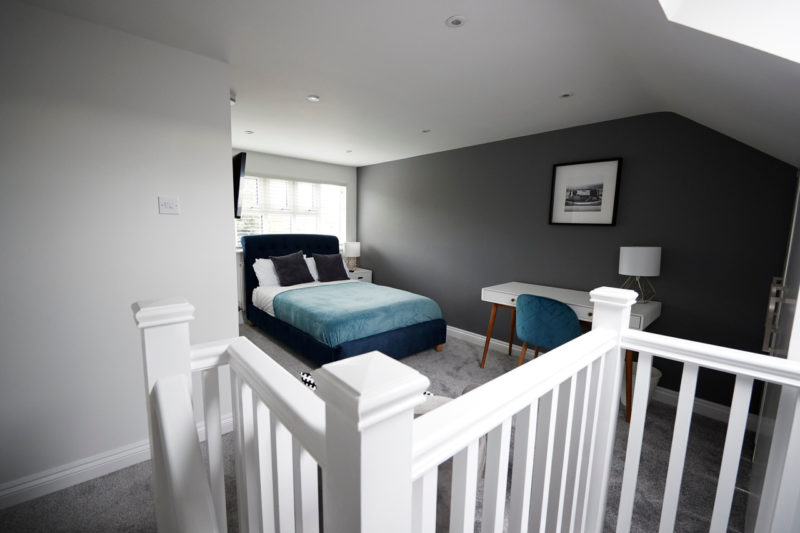
Sleeping rooms, including bedrooms and guest rooms, serve as private spaces within residential buildings, primarily designed for rest and relaxation. The primary function of these rooms is to provide a comfortable environment for sleep, with the inclusion of a bed as the central piece of furniture. In addition to this primary function, bedrooms often incorporate storage solutions, such as closets and dressers, for personal belongings and clothing. Guest rooms, on the other hand, are specifically designed to accommodate temporary visitors, offering a welcoming and comfortable space for them to rest during their stay.
Design considerations for sleeping rooms involve creating a sense of tranquility and comfort, with an emphasis on functionality and ergonomics. Factors such as room size, layout, lighting, and ventilation play crucial roles in achieving this objective. Furthermore, the choice of color schemes, materials, and furnishings can significantly impact the overall ambiance and comfort level of the space. It is essential to strike a balance between aesthetics and practicality, ensuring that the room caters to the occupants’ needs while also promoting restful sleep and relaxation (Ching, F. D. K., 2014). In recent years, there has been a growing focus on incorporating sustainable and eco-friendly design elements, such as energy-efficient lighting and natural materials, to promote a healthier living environment (Kibert, C. J., 2016).
References
- Ching, F. D. K. (2014). Architecture: Form, Space, and Order. John Wiley & Sons.
- Kibert, C. J. (2016). Sustainable Construction: Green Building Design and Delivery. John Wiley & Sons.
Public Spaces: Restrooms and Changing Rooms
Public spaces, such as restrooms and changing rooms, serve essential functions in various settings, including commercial, recreational, and educational facilities. Design considerations for these spaces focus on accessibility, hygiene, privacy, and safety. To ensure accessibility, designers must comply with regulations such as the Americans with Disabilities Act (ADA), which mandates specific dimensions and features for restrooms and changing rooms to accommodate individuals with disabilities (U.S. Department of Justice, 2010). Hygiene is a critical aspect, as these spaces are prone to the spread of germs and bacteria; thus, incorporating easy-to-clean materials, touchless fixtures, and proper ventilation is crucial (World Health Organization, 2019). Privacy is another vital consideration, achieved through the strategic placement of partitions, doors, and curtains. Lastly, safety measures, such as slip-resistant flooring and well-lit spaces, contribute to a secure environment for users (National Institute of Building Sciences, 2018).
References
- U.S. Department of Justice. (2010). ADA Standards for Accessible Design.
- World Health Organization. (2019). Water, sanitation, hygiene, and waste management for the COVID-19 virus. Retrieved from https://www.who.int/publications/i/item/water-sanitation-hygiene-and-waste-management-for-covid-19
Cultural and Regional Variations in Room Design
Cultural and regional variations significantly influence room design in residential buildings, as they reflect the diverse lifestyles, traditions, and environmental factors of different societies. For instance, traditional Japanese homes often feature tatami rooms with sliding doors, reflecting the importance of minimalism and flexibility in Japanese culture (Ishida, 2005). In contrast, Mediterranean homes are characterized by open floor plans and courtyards, which facilitate natural ventilation and promote outdoor living in warmer climates (Gauzin-Mller, 2002).
Moreover, local materials and construction techniques also shape room design. In regions with abundant timber resources, such as Scandinavia, wooden structures and interiors are prevalent, while in arid areas like the Middle East, thick adobe walls are used to insulate interiors from extreme heat (Oliver, 2003). Additionally, religious and social customs can dictate the layout and function of rooms, such as the inclusion of prayer rooms in Islamic homes or the separation of public and private spaces in traditional Indian residences (AlSayyad, 2011). Overall, understanding cultural and regional variations in room design is essential for creating residential spaces that are both functional and culturally sensitive.
References
- AlSayyad, N. (2011). The Fundamentalist City?: Religiosity and the Remaking of Urban Space. Routledge.
- Gauzin-Mller, D. (2002). Sustainable architecture and urbanism: concepts, technologies, examples. Birkhuser.
- Ishida, Y. (2005). The Japanese House: Material Culture in the Modern Home. Bloomsbury Publishing.
- Oliver, P. (2003). Dwellings: The House Across the World. Phaidon Press.
Future Trends and Innovations in Room Design
As we look towards the future of room design in residential buildings, several trends and innovations are emerging that aim to enhance the living experience. One significant development is the increasing focus on sustainability and energy efficiency, with architects and designers incorporating eco-friendly materials, passive solar design, and green technologies into their projects (McLennan, 2004). Additionally, the concept of flexible and multi-functional spaces is gaining traction, as homeowners seek to maximize the utility of their living areas. This can be seen in the growing popularity of open-plan layouts, modular furniture, and movable walls that allow for easy reconfiguration of spaces (Gibson, 2017).
Another notable trend is the integration of smart home technologies, which enable residents to control various aspects of their living environment, such as lighting, temperature, and security, through connected devices and voice-activated systems (Lupton & Bruce, 2018). Furthermore, as urban populations continue to rise, architects are exploring innovative solutions to address the challenges of limited space and high-density living. This includes the development of micro-apartments, co-living arrangements, and vertical gardens that promote a sense of community and well-being within compact urban environments (Despommier, 2010).