 Natalie
 Several global cities rank among the world’s most expensive housing markets, with property prices reaching unprecedented levels. Home values in these markets are affected by limited supply, high demand, and economic factors that drive up costs. But luxury housing around the globe is also shaped by unique local factors such as housing costs, land value, government programs, and economic conditions. From Sydney to Monaco and Shanghai to Geneva, residential markets reflect the demand from billionaires, investment firms, and international assignees navigating global mobility and rising interest rates. Below, we explore expensive and sought-after markets by destination.
World’s Most Expensive Housing Markets
1: Hong Kong: Pinnacle of Investments
Hong Kong sees properties reaching astronomical costs. Average prices per square foot range from HKD 100,000 to 120,000, equivalent to approximately USD 12,800 to 15,400. Properties in neighbourhoods like The Peak exceed averages, with some listings reaching over USD 20,000. The city’s limited land and high demand fuel these exorbitant prices.
Hong Kong’s property districts offer stunning views and proximity to the city’s financial hubs. Victoria Peak, known simply as The Peak, tops the list with panoramic harbour views and homes that exceed HK$100 million. Jardine’s Lookout earns fame for large detached houses and low-density living. Meanwhile, Kadoorie Hill in Kowloon draws wealthy buyers with charm and exclusive mansions. Together, these districts represent Hong Kong’s pinnacle of real estate, combining location, security, and lifestyle appeal.
2: London: Luxury Meets Historical Apartments
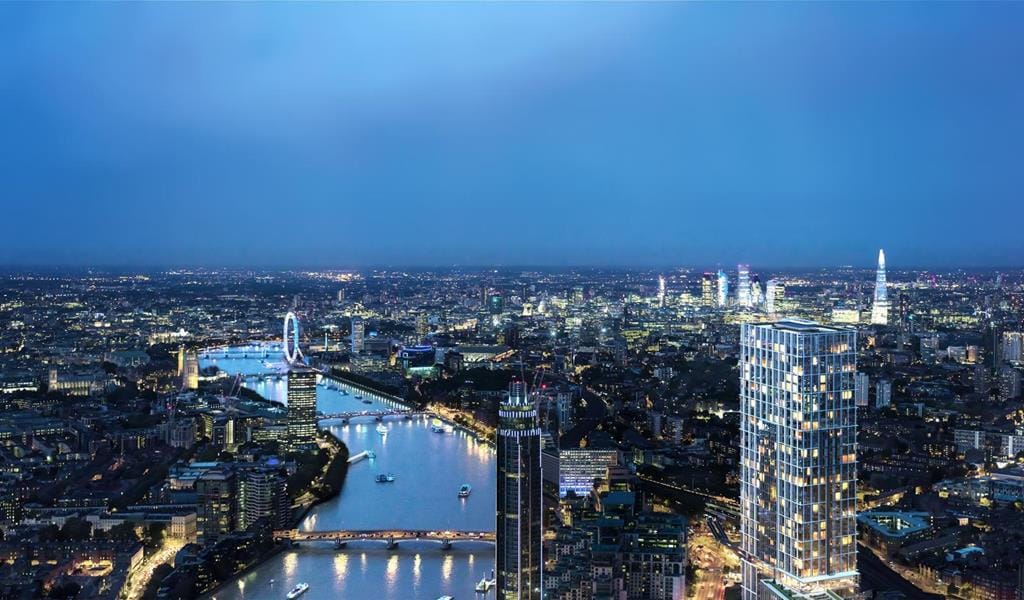
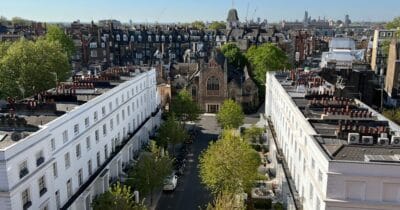
Average square foot prices in Knightsbridge and Belgravia are £2,171, or about USD 2,700. Newly built properties in these locations fetch higher prices, reflecting London’s status as a financial hub. Kensington and Chelsea top the list, offering elegant townhouses, flats, and access to a range of amenities, with properties often reaching multi-million-pound prices.

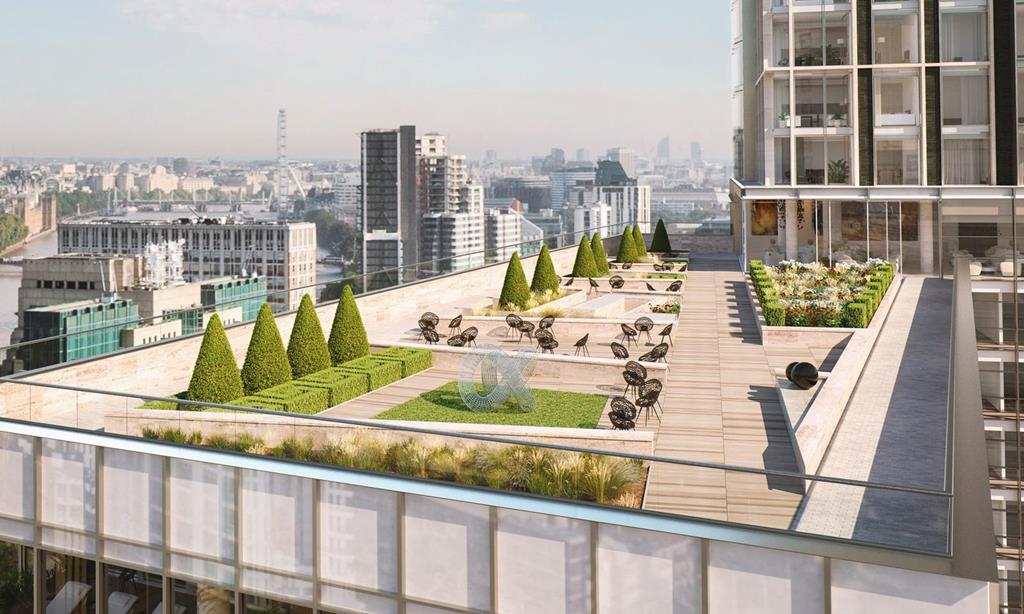
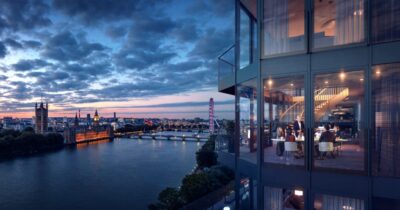
Nearby Belgravia and Mayfair attract ultra-high-net-worth buyers with their grand Georgian and Victorian architecture, private gardens, and proximity to the financial district. Additionally, areas along the River Thames, such as Chelsea and Clarges Street, offer spectacular views and residences, making them favourites among international investors.
3: New York City: Eye-Watering Cost of Living
The iconic skyline and high demand for luxury living characterise New York real estate. Average prices per square foot in Manhattan’s upscale neighbourhoods range from USD 2,000 to 2,500. Properties with exceptional views or historical significance can command prices well above this average, solidifying NYC’s position as a premier destination for real estate.
In New York, neighbourhoods where property is bought and sold are centred around Manhattan’s areas, famously known as Billionaires’ Row along the southern edge of Central Park, where megamansions and high-rise penthouses often exceed tens of millions of dollars. The Downtown Financial District have seen a surge in developments, blending modern amenities with proximity to Wall Street. Across the city, markets remain highly sought after by firms.
4: Paris: Super-prime real estate
Paris continues to captivate with elegance. In 2025, the average price in central arrondissements like the 6th and 7th is approximately €14,000 to 25,000, translating to about USD 15,000 to 27,000 per square meter. Exceptional properties can exceed averages, reflecting Paris’s enduring appeal to affluent buyers.
Paris’s expensive neighbourhoods, the historic and prestigious arrondissements, specifically the 6th and 7th districts rank as costly. The Saint-Germain-des-Prés area in the 6th arrondissement features classic Haussmannian architecture, boutique shops, and heritage, attracting wealthy buyers with timeless elegance.
The 7th arrondissement, home to landmarks like the Eiffel Tower, offers spacious apartments and private gardens. The 8th arrondissement, which includes the Champs-Élysées and Faubourg Saint-Honoré, combines shopping with residential properties, appealing to international investors. Additionally, enclaves along the River Seine and areas near the French Riviera influence add to Paris’s allure, making it a top destination.
5: Singapore for Prime Real Estate
Singapore’s real estate is marked by limited land availability. As of 2025, the average price in the Business District and Marina Bay areas ranges from SGD 1,860 to 2,320, or approximately USD 1,350 to 1,700. Waterfront properties in Sentosa Cove underscore this premier destination.
Singapore’s expensive neighbourhoods reflect excellent amenities. District 9, encompassing Orchard Road and Holland Village, is a top choice for property buyers, offering upscale condos and proximity to high-end shopping and dining. District 10, which includes Bukit Timah and Holland Road, is known for spacious landed homes and greenery, attracting affluent families seeking privacy.
The Sentosa Cove area stands out as a waterfront enclave featuring villas and marina access, which expatriates favour. Additionally, Marina Bay and the Business District offer high-rise apartments with stunning cityscape views, blending urban convenience with exclusivity.
6: Los Angeles for Huge Land Prices
Los Angeles is expensive, especially when compared to the rest of the United States. The median home price in the city is around $1.05 million, and this price has seen a modest increase over the past year. These high costs place Los Angeles among the priciest real estate markets nationwide.
For many potential buyers, affordability is challenging. To comfortably afford a median-priced home, a household typically needs to earn about $230,000 annually, more than twice the median income for most residents in California. This gap highlights the financial challenges middle-income families face when attempting to purchase a home.
While the sector has shown signs of balancing out, with more homes available and slightly longer selling times, the income requirements make Los Angeles one of the least affordable places in the USA.
7: Sydney: Skyrocketing Prices Amid Urban Containment
Sydney continues to wrestle with soaring costs. The latest Demographia International report lists Sydney among the least affordable cities worldwide, with a median multiple exceeding 12, meaning houses cost more than 12 times median household incomes. Houses are around AUD 1.5 million (~USD 1.0 million), with repayments spiking because of recent rate hikes. This squeeze has intensified the cost-of-living crisis, even in Sydney. Urban development limits land availability, especially in developments near the Central Business District and affluent suburbs.
8: Monaco: Luxury Anchored by Scarcity
Houses in Monaco rank among the highest globally, with villas and penthouses exceeding USD 100 million. Developments such as Le Palais and Villa Del Amor offer solar power installations and designer furnishings, catering to elite buyers. The city’s small landmass means new supply is almost non-existent, keeping sales relatively low but prices incredibly high. Monaco’s housing remains resilient, buoyed by its position as a tax haven and gateway to the French Riviera’s lifestyle. Monaco also has a timeless reputation for style and class, which puts it in a completely different market to most average cities.
9: Geneva and the Swiss Housing Market: Resilience Amid Inflation
Geneva’s balances high prices (around CHF 1.3 million or USD 1.4 million) with steady demand from the financial sector and international elites. Switzerland benefits from rigorous land use and urban planning that restricts oversupply, but inflation rates have affected the cost of housing and rentals. Data from Savills and PIRI 100 show moderate sales but consistent price appreciation, making Geneva a favoured destination for stability during economic uncertainty.
10: Shanghai and Beijing: Managing Growth in Mega-Cities
Shanghai and Beijing lead China with median home prices in central districts exceeding RMB 100,000 per square meter (around USD 14,000). Rapid growth is tempered by stringent strategies aimed at preventing market overheating. Both cities face rising housing and rental problems and monthly repayment challenges, amplified by China’s evolving environment. Despite these hurdles, Shanghai and Beijing attract billionaires due to their financial capital status. Infrastructure investments, particularly around the Pearl River estuary, improve connectivity and urban quality.
11: Vancouver: Balancing Natural Beauty
Vancouver perfectly showcases natural surroundings, but faces severe affordability challenges. Home values hover near CAD 1.4 million (~USD 1.05 million), with similar high rents because of limited land and restrictive urban policies. Rising rates have increased repayments, putting homeownership out of reach for many. Vancouver’s appeal remains strong for international buyers seeking security and residential property near urban amenities and scenic landscapes.
12: Tokyo: Global Financial Capital Adapting to Economic Shifts
Tokyo, with houses around JPY 80 million (~USD 700,000), exemplifies a mature housing sector. Tokyo’s safety ratings, combined with stable currency conditions, attract investment firms focused on long-term property growth, even as global rates rise. Tokyo’s expensive neighbourhoods in central wards, offering convenience and vibrancy. Despite Tokyo’s reputation for relatively affordable housing compared to other global cities, these neighbourhoods reflect their status as hubs for financial services and a high quality of life.
13: Dubai
Dubai’s real estate sector thrives on innovation, with mega-developments featuring designer furnishings and cutting-edge amenities. House values vary widely but often exceed USD 10 million. Forecasts and inflation have led to cautious sales; however, government-led investment programs are encouraging continued growth. Dubai’s expensive residential neighbourhoods feature waterfront locations and world-class amenities.

Emirates Hills is often referred to as the “Beverly Hills of Dubai,” featuring sprawling villas in a gated community that attracts ultra-high-net-worth individuals. Downtown Dubai, home to the Burj Khalifa and Dubai Mall, combines high-rise living with easy access to the city’s vibrant financial and entertainment hubs, and Dubai’s investment-friendly laws, combined with infrastructure development and global connectivity, fuel growth.
14: French Riviera: High-End Development
Meanwhile, the French Riviera, a perennial favourite, sees properties along Billionaires’ Row fetching record prices. The French Riviera is synonymous with breathtaking Mediterranean views. Saint-Tropez reflects glamorous beachfront villas and a yacht-filled harbour, attracting celebrities. Cap Ferrat is renowned for cliff-top estates with panoramic sea views, often fetching some of Europe’s highest prices. Nice combines historical charm with upscale apartments and villas, while Monaco, although technically a separate principality, is an integral part of the Riviera, with ultra-luxury developments.
Emerging Markets for Luxurious Property
São Paulo and Moscow are facing challenges from inflation and economic volatility, with median house prices experiencing significant fluctuations. Yalikavak, on Turkey’s Aegean coast, is driven by scenic appeal and rising international interest. La Jolla is a jewel in the U.S. property landscape, with megamansions and residential property promoting coastal living.
Global Rankings and Data Tools: Guiding Understanding
International indices, such as Mercer’s Cost of Living City Ranking and Savills’ reports, utilise data-driven charts to compare median house values, rents, and monthly repayments worldwide. These tools factor in inflation rates and currency devaluations to provide investors and policymakers with clear insights. The Globalisation and World Cities Research Network and TripAdvisor’s World City Survey also highlight urban quality, safety, cultural diversity, and connectivity—key drivers behind residential desirability.
Which is the World’s Most Expensive City?
In 2025, determining the “most expensive city in the world” depends heavily on the type of expense; daily living costs, real estate prices, or the cost of a luxury lifestyle. According to Mercer’s Cost of Living Survey, Hong Kong continues to top the global charts for expatriates due to soaring housing and consumer prices. However, suppose we include rent as part of the equation. In that case, New York emerges as the most expensive overall, based on the combined cost-of-living and rent index data from Visual Capitalist and Numbeo.
Meanwhile, for the ultra-wealthy, Singapore holds the title as the priciest city for luxury lifestyles for the third consecutive year, according to the Julius Baer Global Wealth and Lifestyle Report 2025. However, when it comes to real estate alone, Monaco remains unrivalled, far exceeding those of even New York and London. These rankings highlight how different metrics can yield different “winners,” depending on whether you’re a regular resident, an expat, or part of the global elite.
Summary and Key Takeaways
Local laws, economic factors, and global forces influence each city. From Sydney’s affordability crunch to Monaco’s ultra-prime scarcity, from Shanghai’s rapid growth to Geneva’s stability, these destinations illustrate the diversity and complexity of expensive property. Cities like Hong Kong, London, New York, Paris, and Singapore lead the global real estate landscape, offering unparalleled exclusivity.
Understanding the Demographia International Housing Affordability Report
The Demographia International Affordability Report is an annual global study that measures and compares affordable homes in major cities across high-income countries. At the heart of the report is a simple yet powerful metric: the Median Multiple, which is calculated by dividing the median house price by the median household income. This allows for a standardised way to assess whether a city is affordable, moderately unaffordable, or completely out of reach for the average household.
Each year, the report analyses data from the third quarter and includes roughly 90 to 95 property markets across eight countries: Australia, Canada, China (specifically Hong Kong), Ireland, New Zealand, Singapore, the United Kingdom, and the United States. The goal is to shine a light on trends, highlight cities that are becoming increasingly unaffordable for middle-income earners, and examine the root causes of these challenges.
One important insight is that land-use regulation, particularly restrictive zoning laws and urban growth boundaries, plays a major role. Cities that limit where and how homes can be built tend to see much sharper increases in property values over time, often making them “impossibly unaffordable” for the average resident.
In the latest 2025 edition, based on Q3 2024 data, Pittsburgh, Pennsylvania was named the most affordable city among the markets studied, with a Median Multiple of around 3.2, placing it in the “moderately unaffordable” category. Pittsburgh has now held this top spot for five consecutive years, thanks to relatively stable and modest income levels.
The United States shows a wide range of affordability. While cities like San Jose, Los Angeles, and San Francisco are listed among the most unaffordable, others such as Rochester, St. Louis, Cleveland, and Buffalo remain far more accessible for homebuyers. In Canada, both Vancouver and Toronto fall into the “impossibly unaffordable” category.
Australia is particularly notable in this year’s report, with Sydney, Melbourne, Brisbane, Adelaide, and Perth all appearing on the unaffordability list. These cities are grappling with a mix of population growth, limited land release, and tight planning controls that have significantly inflated house values relative to incomes.
Overall, the Demographia report is a valuable resource for policymakers, planners, and the general public alike.
Our Services
We are Spot Blue International, and we sell homes in many countries. If you want to learn more about the world’s most expensive housing markets and are interested in becoming a homeowner, call us today. Alternatively, explore our portfolio of apartments and villas from around the world here.