
 Sarah Whittikar
The Two Turkish Lives You Are Really Choosing Between
For American expats, Bodrum and Fethiye answer different versions of the same dream. Bodrum suits buyers who want a more international atmosphere, stronger English-speaking infrastructure, and better resale liquidity in a premium property market. Fethiye suits buyers who want lower living costs, stronger value on villas, and a more authentic day-to-day rhythm. In short: Bodrum is for convenience, visibility, and mobility; Fethiye is for affordability, community, and slower living.
Most Americans shortlisting these two towns are not just comparing beaches — they are answering a more personal question. One version of the dream is polished and socially mobile: superyachts crowding Yalıkavak marina at dusk, bougainvillea spilling over whitewashed walls in Bitez, the linen-and-rosé hum of Türkbükü beach clubs in August. The other is grounded and nature-immersive: the Çalış sunset promenade where the light turns the bay copper, paraglider silhouettes drifting off Babadağ toward the Blue Lagoon at Ölüdeniz, the Lycian rock tombs carved into the cliff face above Fethiye harbor — funerary architecture older than the Roman Empire, still watching the town wake up.
Who This Comparison Is For
This is for Americans who have moved past generic “best places in Turkey” lists and are choosing between two real contenders inside Muğla:
- a retiree weighing comfort against monthly affordability
- a Florida or Arizona snowbird looking for a warmer winter base
- an NYC, Bay Area, or Austin remote worker who wants livability with reliable connectivity
- a Texas or Northeast second-home buyer choosing between prestige and value
The Fast Answer Before The Deep Dive
If you want marina culture, easier nonstop European access via Bodrum-Milas Airport, and a premium coastal market, Bodrum is usually stronger. If you want a lower-cost Mediterranean life with dramatic Lycian-coast scenery and better budget stretch via Dalaman Airport, Fethiye is usually stronger. The real test is whether monthly cost, neighborhood feel, and American-specific issues — IRS reporting, residency permits, private healthcare, lira exposure — support that instinct.
The Quick Verdict: Which Town Fits Which American Buyer?
Americans seeking a socially visible second-home lifestyle, premium private healthcare, and easier onward European travel tend to prefer Bodrum. Americans seeking cost-arbitrage retirement, nature-immersive routine, and stronger value per dollar tend to prefer Fethiye.
| Decision Factor | Bodrum | Fethiye | Better For |
|---|---|---|---|
| Cost Of Living | Higher in premium zones | Lower, easier to sustain | Fethiye |
| English-Speaking Ease | Stronger in international areas | Good in expat pockets | Bodrum |
| Private Healthcare | Acıbadem anchor, premium care | Viable, less premium-feeling | Bodrum |
| Community Depth | Broad, more transient | Settled long-stay rhythm | Fethiye |
| Airport / U.S. Routing | Bodrum-Milas, more nonstops | Dalaman, strong charter season | Bodrum |
| Entry Property Value | Premium, brand-led | Lower entry, more square footage | Fethiye |
Best For Retirement
Fethiye usually wins on pure livability if your goal is lower spending and a calmer pace: the morning Çalış promenade, the Tuesday market, a familiar café in Ovacık, neighborhoods where long-stay American and British expats already know each other. Bodrum still works for retirees who weight Acıbadem-grade healthcare and higher-end amenities above savings. The threshold question is whether your retirement budget is buying comfort or buying polish.
Best For Investment Potential
Bodrum carries the stronger brand premium — Yalıkavak’s superyacht marina and Türkbükü’s beach-club coastline attract buyers paying for identity and upper-end liquidity, not just square footage. Fethiye works better for buyers who care about value per dollar — more interior space, lower entry pricing, and a market less dependent on prestige signaling. Turkey’s citizenship-by-investment threshold of $400,000 in qualifying property — with a mandatory three-year hold before resale — is relevant context only if a second passport is already part of your plan.
Best For Community, Ease, And Prestige
If “easy” means more English and broader international exposure on day one, Bodrum has the edge. If “easy” means a slower social rhythm and less pressure to keep up with a premium scene, Fethiye feels easier after the first season. On prestige, Bodrum wins outright — whitewashed architecture, the Yalıkavak superyacht marina, beach clubs at Türkbükü, a town firmly inside the wider Mediterranean luxury circuit.
Best Match By Buyer Archetype
- Floridian or Arizona retiree: usually Fethiye (budget stretch, calmer routine)
- Texan or Northeast snowbird: Fethiye for value, Bodrum for polish
- NYC or Bay Area remote worker: Bodrum for social energy, Fethiye for focus
- Under-$500k second-home buyer: usually Fethiye
- $700k+ prestige investor: usually Bodrum
Fethiye or Bodrum: Find the One That Fits You
Pick the town that fits your American expat routine — value, ease and forest-and-sea life vs. design, marina scene and richer dining.
Monthly Cost Of Living: Where Americans Save More
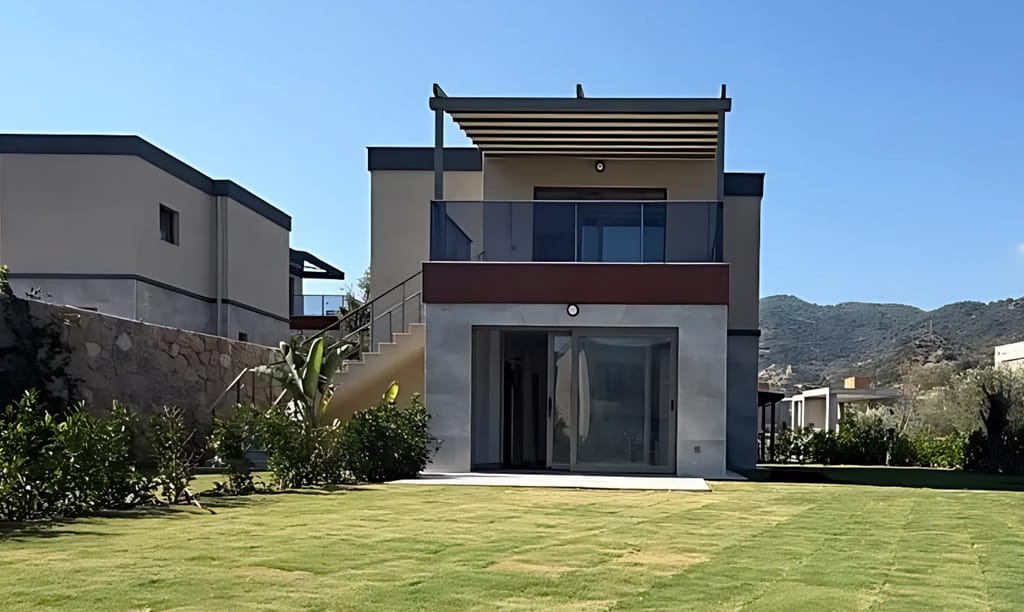
Both towns undercut Miami, Los Angeles, and New York, but the degree of savings differs sharply. Bodrum behaves like a premium Turkish market — elevated rents, dining, and lifestyle pricing. Fethiye offers the stronger cost-arbitrage case, particularly against HOA-heavy Sun Belt retirement living. For USD-funded buyers, lira volatility cuts both ways: a weaker lira stretches your dollar income, but Turkish inflation can erode that benefit on rent and dining within a single season.
Where Bodrum Starts To Feel Premium
Bodrum’s premium signal shows up where people initially enjoy it and later start budgeting around it: Yalıkavak marina dining, Türkbükü beach-club tabs, imported wine, high-spec rentals. According to Numbeo’s Bodrum cost data, everyday café and restaurant spending already sit above the levels budget-minded expats expect from Turkey. Bodrum is not “cheap Turkey” — it is premium Turkey. The hidden risk is assuming your move is a savings move when your micro-market behaves like an aspirational leisure economy.
Why Fethiye Usually Wins On Monthly Value
Fethiye preserves the advantage more reliably because the town is built around daily life as much as visitor appeal — a working fishing port, a real Tuesday market, neighborhoods like Çalış and Ovacık where year-round residents outnumber the summer crowd.
| Monthly Category | Bodrum | Fethiye | What It Means For Americans |
|---|---|---|---|
| Long-Term Rent | Higher | Lower | Fethiye stretches retirement budgets further |
| Dining Out | Higher in premium areas | More moderate | Fethiye is easier to enjoy frequently |
| Groceries | Manageable, imports add up | Lower overall | Local shopping beats imported habits |
| Leisure Spend | Can escalate quickly | Easier to moderate | Fethiye protects monthly savings |
Lifestyle Profile: Daily Life, Neighborhoods, And Trade-offs
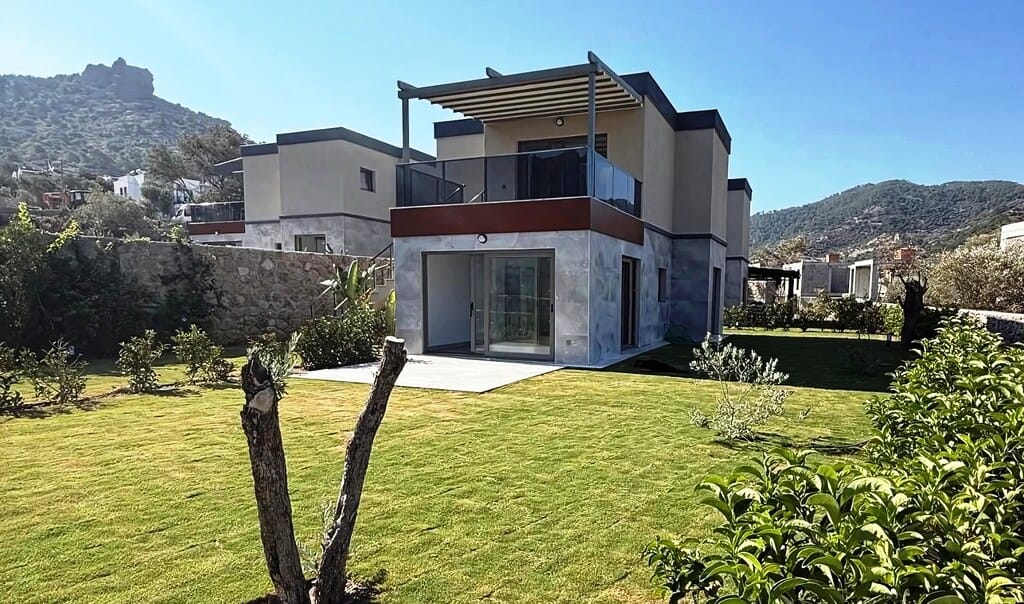
Bodrum feels curated; Fethiye feels lived-in. Neither is inherently better — the question is whether you want daily life shaped by polish and access, or by routine and ease.
What Bodrum Gets Right For Americans
Bodrum is strongest where transition friction matters. The peninsula’s diverse international crowd makes English easier and the social scene broader — restaurants, agents, marinas, and service providers already work fluently with foreign clients, which matters for Americans not trying to disappear into local life on day one. The whitewashed cubic architecture and bougainvillea-draped lanes of Bitez and Yalıkavak are part of the wider Mediterranean luxury circuit, not a town reinventing itself for tourists.
“We came for a quiet retirement and ended up with a calendar — gallery openings in Gümüşlük, sunset dinners at the marina, friends from four countries within the first month.” — American Retiree, Yalıkavak, Private Interview
Why Fethiye Appeals To Long-Stay Americans
Fethiye’s appeal is subtler and stronger over time. The best parts are the habits: Tuesday market shopping with a wheeled trolley like everyone else, the Çalış seafront walk where the light turns the bay copper before dinner, repeat encounters at the same bakery, paraglider silhouettes drifting off Babadağ in the late afternoon like slow-motion confetti. The 4th-century BC Lycian rock tombs cut into the cliff face above town quietly remind you this coast has been lived on for two and a half millennia — that you are joining a place, not inventing one.
The Neighborhoods That Matter Most
Bodrum peninsula: – Yalıkavak: marina prestige, superyacht set, upper-end villas – Türkbükü: social cachet, beach-club culture – Bitez: softer, bougainvillea-lined, livable family option – Torba: secluded, private, calmer pace within a premium frame – Gümüşlük: artsy, sunset-fishing-village feel
Fethiye area: – Çalış: established expat living, beachfront promenade – Ovacık: villa-oriented, quieter, hillside layouts – Hisarönü: busier, tourist-facing, livelier nightlife – Ölüdeniz: Blue Lagoon proximity, scenic but seasonal – Central Fethiye: strongest for everyday practicality, hospitals, marina
Both towns sit inside Muğla province, a region TÜİK population data shows is already structured for long-stay international residents, with foreign-population concentrations above the national average. The question is which version of that life you want to build.
Property Prices In USD: What Your Budget Buys
Fethiye generally delivers more space and lower entry pricing; Bodrum commands a premium for brand, coastal prestige, and international demand. Indicative apartment pricing, subject to neighborhood, finish, view, and title:
| Property Type | Bodrum (USD) | Fethiye (USD) | What Changes The Price |
|---|---|---|---|
| Standard 1-2 Bed Apartment | $220,000–$450,000+ | $130,000–$280,000+ | proximity to sea, finish, amenities |
| Mid-Market Family Apartment | $350,000–$650,000+ | $180,000–$350,000+ | size, year-round livability |
| Premium Apartment | $700,000+ | $300,000–$500,000+ | marina access, sea view, brand |
At villa level, the gap widens further. In Fethiye, buyers often find realistic villa options at or below the mid-market international budget. In Bodrum the same money may buy a smaller villa, a less prestigious submarket, or a compromise on view and access. At the premium end, Yalıkavak and Türkbükü move into a different buyer universe — part of what you pay for is scarcity and signaling.
The dividing line: Fethiye is easier to enter; Bodrum is easier to explain to premium international buyers later. The mistake is buying Bodrum while pretending you are a Fethiye buyer, or buying Fethiye while expecting Bodrum-style prestige dynamics.
Practical Considerations: Healthcare, Travel, Residence, And U.S. Tax
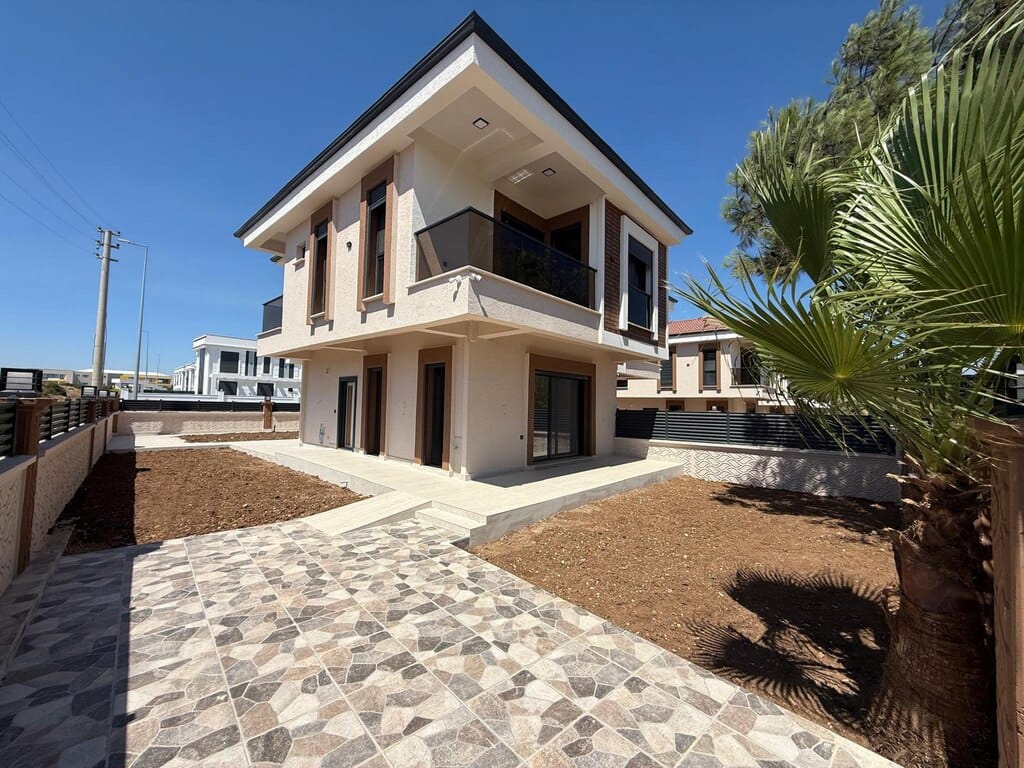
Bodrum solves convenience problems; Fethiye solves community problems. On legal and tax matters, neither changes the fact that U.S. reporting duties travel with you.
Healthcare, Insurance, And Schools
Acıbadem Bodrum Hospital anchors private care on the peninsula, with Memorial and MedicalPark networks operating regionally. Fethiye is served by reputable private hospitals, but premium-care density skews to Bodrum. Crucial point for Americans: Medicare does not extend abroad. You will need private international or Turkish private insurance; Turkey’s public SGK system requires formal residence and contributions. For families, international schooling options are thin in both towns but skew to the Bodrum peninsula, where a small cluster of bilingual and English-medium private schools serves the wider international community. Fethiye families more often pick Turkish private schools, the British curriculum primary options in Ovacık, or remote U.S. curricula. Verify current accreditation and capacity directly with any school before relocating school-age children.
Airports And U.S. Routing
Travel from the U.S. routes through Istanbul. From there: Bodrum-Milas offers a stronger European nonstop network for onward travel; Dalaman Airport (Fethiye) has a strong seasonal charter network, often simpler than outsiders expect. Bodrum’s ferry links to Kos add real Greek-island flexibility. The right test is not whether there is an airport — it is how annoying the trip feels after the fourth repetition in a year.
Residence Permit Realities
Property ownership can support a short-term residence permit (kısa dönem ikamet), but it is not automatic. The Turkish Presidency of Migration Management confirms permit categories and eligibility vary by basis of application. Turkey has tightened the rules sharply: neighborhoods where foreign residents exceed roughly 20% of the local population are designated kapalı mahalle (closed districts) and are no longer accepting new foreign residence permit applications — over 1,000 neighborhoods nationwide are currently affected, including pockets across Muğla. All applications must now run through the e-İkamet portal, and applicants must demonstrate stable monthly income. Verify the exact neighborhood status before committing to a property.
U.S. Tax And Compliance Points
Owning property in Turkey does not remove U.S. reporting duties. The non-negotiable list:
- FBAR (FinCEN 114): required if aggregate foreign account balances exceed $10,000 at any point in the year
- Form 8938 (FATCA): reports specified foreign financial assets above filing thresholds (the threshold is higher for taxpayers living abroad — single filers report at $200,000 year-end / $300,000 any-time)
- Worldwide income reporting: the U.S. taxes citizens globally regardless of residence
- Foreign Earned Income Exclusion: $132,900 for tax year 2026 — but only shelters earned income, not pensions, Social Security, or rental yield
- U.S.–Turkey income tax treaty: signed 1996, in force since 1997 — helps avoid double taxation but does not eliminate U.S. filing
- FATCA reporting from Turkish banks: under the 2015 US-Turkey FATCA agreement, expect your Turkish bank to request a W-9 and report account data to the IRS
- Social Security: payable in Turkey; Medicare does not extend abroad except in narrow border-emergency cases
None of this is tax advice. Get qualified U.S.–Turkey counsel before purchase if you expect rental income, large transfers, or long-term residence. The risk is rarely that an American cannot own the property — it is being casual about reporting and discovering the problem later.
American expat? Want Fethiye-vs-Bodrum compared against your tax filing, residence permit plan and USD income? Speak to a Spot Blue advisor.
The American Buyer Decision Frame
Choose Bodrum if you want sophistication, marina culture, Acıbadem-grade private healthcare on your doorstep, easier nonstop European travel, and a property that resells fluently to international buyers. Choose Fethiye if you want authenticity, nature-immersive routine, dramatic Lycian-coast scenery, lower entry pricing, and a budget that stretches reliably month after month.
The fastest way to confirm fit is comparing real listings through one filter set: USD budget, apartment versus villa, walkability versus privacy, full-time versus seasonal use. Done honestly, the pattern resolves fast. The right question is not “Which town is best?” but “Which town fits my budget, travel habits, healthcare threshold, IRS reporting tolerance, and long-term plan with the fewest regrets?”
Frequently Asked Questions
Who Usually Settles Faster In Bodrum Or Fethiye During The First 90 Days?
Most Americans settle faster in Fethiye during the first 90 days, while Bodrum often feels smoother only for buyers who already know they want a more international, higher-service environment. The reason is not that one town is “better.” It is that early settlement is usually won by friction reduction: grocery habits, simple social contact, repeated routes, and manageable spending while you are still learning how Turkey works.
Why The First 90 Days Feel Different
The first three months are rarely about beaches or prestige. They are about whether ordinary life stabilizes quickly enough that you do not interpret every small inconvenience as a strategic mistake. Fethiye often helps here because the day-to-day rhythm is easier to decode. More buyers can build a usable routine quickly without needing to participate in a premium social scene.
Bodrum can still work very well, but newcomers often underestimate how much results depend on exact neighborhood fit. If you land in the wrong pocket, you may spend your first months solving for distance, seasonality, and service inconsistency instead of settling in.
| First-90-Day Issue | Fethiye Tends To Help More When… | Bodrum Tends To Help More When… |
|---|---|---|
| Budget shock | You want a softer spending ramp | You have ample budget from day one |
| Social entry | You prefer casual expat/local mixing | You want a more polished international scene |
| Routine building | You value repeatable daily habits | You value selective lifestyle access |
| Neighborhood tolerance | You want fewer wrong-fit outcomes | You are willing to screen micro-locations carefully |
What Predicts A Faster Landing
Americans who settle fastest usually do three things well:
- choose a walkable temporary base first
- delay big furnishing choices
- solve utilities, SIM, banking access, and transport habits immediately
- keep a reserve budget for the first 8–12 weeks
- avoid judging the town based on one inconvenient district
A final practical point: your own personality matters more than most comparison articles admit. Buyers leaving high-intensity U.S. metro life often interpret Fethiye as relief. Buyers leaving cosmopolitan or status-led environments often read Bodrum as continuity. If your goal is lower cognitive load while you adapt to Turkish systems, Fethiye usually wins the first-quarter test. This practical adjustment lens builds on “Who This Comparison Is For” above.
When Does It Make Sense To Rent First Before Buying In Bodrum Or Fethiye?
It makes sense to rent first whenever your decision depends on neighborhood feel, winter usability, or your own reaction to Turkish daily systems rather than on a purely financial opportunity. For Americans, that usually means renting first is the safer choice in Bodrum more often than in Fethiye, because Bodrum’s outcome varies more sharply by micro-location, status tier, and seasonal rhythm.
The Best Rent-First Triggers
You should strongly consider renting before buying if any of these apply:
- You have only visited in summer.
- You are choosing between apartment life and villa life.
- You do not yet know whether you want a car-dependent or walkable routine.
- You expect to split time between Turkey and the U.S.
- Your spouse or partner is less certain than you are.
- You are relying on future rental income to justify the purchase.
Renting first is not indecision; it is fieldwork. A 6- to 12-week stay often reveals more than months of online research because you learn transfer times, noise patterns, supermarket quality, building condition, and what “close to town” really means in practice.
Where Renting First Has The Highest Value
| Scenario | Bodrum | Fethiye |
|---|---|---|
| Unsure about neighborhood identity | Very high value | High value |
| Unsure about seasonality | Very high value | Moderate value |
| Comparing budget stretch | High value | High value |
| Testing family usability | High value | High value |
There is also a legal-confidence reason to pause. Foreign buyers in Turkey face ownership rules, including a nationwide landholding cap and district concentration limits for foreigners. Those limits do not usually affect ordinary apartment or villa buyers, but they are a reminder that buying is an administrative act, not just a lifestyle choice. Renting first gives you time to verify title, zoning, site management quality, and whether the property actually matches your intended use.
A useful rule is simple: if one season of renting could prevent a five-year ownership mismatch, renting first is cheaper than rushing. This timing question connects directly to “The Fast Answer Before The Deep Dive” above.
Where Do Americans Most Often Misjudge Micro-Location Risk In These Two Markets?
Americans most often misjudge micro-location risk in places that look ideal on a viewing day but perform poorly across an ordinary week. In Bodrum, that usually means overvaluing prestige or views while underweighting access, slope, parking, and winter emptiness. In Fethiye, it usually means assuming “close enough” means convenient enough, when daily errands, summer traffic, or hillside layouts can still create friction.
The Four Micro-Location Errors That Repeat Most
The most common mistakes are surprisingly consistent:
- Confusing postcard quality with practical livability.
- Ignoring elevation and stairs, especially for retirement or frequent family visits.
- Assuming transfer time is trivial after a long-haul U.S. journey.
- Treating district names as guarantees, even though two streets can live very differently.
A harbor view or sea panorama can absolutely be worth paying for, but only if the rest of the routine still works. Many Americans mentally price “beautiful” as if it automatically includes easy parking, walkability, weather protection, and year-round services. It often does not.
A Better Way To Screen A Neighborhood
| Check | Why It Matters | How To Verify |
|---|---|---|
| Road access | Narrow or steep roads change everything | Visit by car and on foot |
| Noise profile | Bars, beach clubs, traffic, mosque proximity vary | Test morning and late evening |
| Winter occupancy | Empty streets feel different from summer buzz | Ask site management and neighbors |
| Daily services | Bakery, pharmacy, market, ATM save routine time | Walk the route yourself |
One overlooked test is the “Tuesday at 11 a.m.” check. If the area only makes emotional sense at sunset or on a weekend, it may be a poor ownership fit. Another is the “guest stress test”: imagine arrivals with luggage, older parents, or children after a delayed flight. If the location becomes complicated under that scenario, it is riskier than it looks.
This is especially important because district-level comparisons flatten real differences. A good street in a merely decent area often outperforms a compromised property in a famous area. For the broader lifestyle context that this micro-location checklist sharpens, see “Bodrum Vs Fethiye Lifestyle Profile: Daily Life, Neighborhoods, And Trade-Offs” above.
Why Do Some U.S. Buyers Regret Choosing A Sea-View Property?
Some U.S. buyers regret choosing a sea-view property because they paid for emotional impact but bought hidden operating friction. A strong view can absolutely justify a premium, but regret usually appears when the view comes bundled with wind exposure, difficult access, poor winter efficiency, privacy loss, or high maintenance that was not obvious during a short sunny showing.
What A View Often Adds Beyond Beauty
The true cost of a sea-view home is often not the purchase premium alone. It can also include:
- stronger sun and weather exposure
- higher cooling and heating demand
- faster wear on outdoor furniture and finishes
- more glass, which can mean more cleaning and thermal weakness
- steeper plots or multi-level layouts
- greater visibility from nearby terraces or roads
That package may still be worth it, but only if you are intentionally buying the whole package rather than just the photo opportunity.
| View-Property Feature | Upside | Hidden Risk |
|---|---|---|
| Elevated position | Better panorama | More stairs, slope, and wind |
| Large glazing | Light and scenery | Heat gain, glare, winter loss |
| Broad terrace | Outdoor living | Maintenance and privacy issues |
| Detached villa feel | Prestige and space | More upkeep when abroad |
How To Pressure-Test The Decision
Before committing, Americans should ask three specific questions:
- Would I still buy this home if the view were only good rather than spectacular?
- Can I comfortably use it in wind, rain, and shoulder season, not just summer?
- Will my likely guests actually enjoy the layout, or struggle with stairs and exposure?
This matters in both towns, but especially in premium Bodrum segments where view premiums can be substantial. In Fethiye, the risk is often different: buyers may stretch for a scenic villa when a better-located practical home would deliver more use. The smartest framing is not “Is the view worth it?” but “Is the property still efficient once I price in the consequences of the view?” For baseline pricing context, see “Property Prices” above.
How Should Americans Set Up A Home For Remote Ownership From The U.S.?
Americans should set up remote ownership as a control system, not as a casual handoff to one helpful local contact. The safest setup in either Bodrum or Fethiye is a layered one: legal authority, financial visibility, maintenance response, utility continuity, and an emergency plan. Bodrum often needs tighter service management because homes there are more likely to sit in premium or seasonal segments where standards and costs escalate quickly.
The Minimum Remote-Ownership Stack
A practical setup usually includes these layers:
- Trusted lawyer or formal representative for document handling.
- Clear power-of-attorney scope if you will not always be in Turkey.
- Local property manager or site manager with written duties.
- Digital bill tracking for utilities, dues, and taxes.
- Vendor list for plumbing, electrical, HVAC, locksmith, and cleaning.
- Entry protocol with key custody and access logs.
- Insurance review that covers vacancy periods and water damage scenarios.
Many Americans get the first layer right and the rest wrong. They appoint someone to help, but do not define reporting frequency, spending thresholds, photo verification, or who approves repairs above a certain amount.
What Should Be Written Down
| System | Minimum Standard |
|---|---|
| Monthly reporting | Bills paid, meter status, photos, incident log |
| Repair approvals | Spending threshold and consent method |
| Vacancy checks | Scheduled inspections after storms or long absences |
| Rental crossover | Separate rules if guests will use the property |
A second overlooked issue is banking friction. Currency timing, transfer fees, and card failures can interrupt routine payments more than buyers expect. Keep a reserve buffer in Turkey if possible, or at least maintain a documented fallback process for urgent expenses. Also verify whether your site dues, utilities, and taxes can be paid digitally or require local intervention.
The goal is simple: no single person should be the entire system. If one manager disappears, you should still have access, records, authority, and payment continuity. For the legal and administrative backdrop that supports this setup, see “Practical Considerations For Americans: Healthcare, Travel, Residence, And Tax” above.
What Exit Signals Should Make You Favor Bodrum Or Fethiye If Your Plan Might Change?
If you think your plan may change within three to five years, favor Bodrum when future resale depends on international story value and premium buyer recognition, and favor Fethiye when your main goal is to limit entry risk and preserve affordability-based flexibility. The right choice depends less on abstract investment theory and more on what kind of exit signal you expect to face.
Match The Town To The Likely Reason You Might Sell
Different exit paths suit different markets:
- Job or family relocation back to the U.S.
- Health or mobility change
- Need to simplify and reduce carrying costs
- Decision to spend less time in Turkey
- Portfolio reallocation or cash release
If your likely trigger is financial caution or lower usage, Fethiye often offers a calmer ownership profile because the initial capital outlay is usually lower. If your likely trigger is wanting a more legible premium asset for international buyers, Bodrum can be stronger—provided you buy an asset with broad appeal rather than something overly personalized.
A Simple Exit-Match Table
| Exit Concern | Favor Bodrum When… | Favor Fethiye When… |
|---|---|---|
| Need premium buyer visibility | The home is in a recognized submarket | Not your main concern |
| Need lower capital at risk | Less important | Very important |
| Need broad practical appeal | Property is simple and well-located | Often easier at mid-market budgets |
| Need low regret if underused | You can comfortably carry costs | You want lower burn |
One smart filter is to ask whether the property is “explainable in one sentence.” Homes that are easy to describe, price, and position tend to exit better. Another is to avoid solving only your current fantasy. A highly customized layout, niche décor, or awkward access can narrow the future buyer pool in either town.
Also remember that foreigners buying in Turkey should verify title clarity, site obligations, and any restrictions before thinking about exit value at all. A property with messy paperwork is not just stressful to buy; it is harder to sell. For the broader buyer-fit framework that this exit planning should sit inside, see “The Quick Verdict: Which Town Fits Which American Buyer?” above.
Choose the Turkish Town That Fits Your American Life
Fethiye for value and easy familiarity, Bodrum for design and lifestyle depth — get a shortlist matched to how you actually want to live.