
 Sarah Whittikar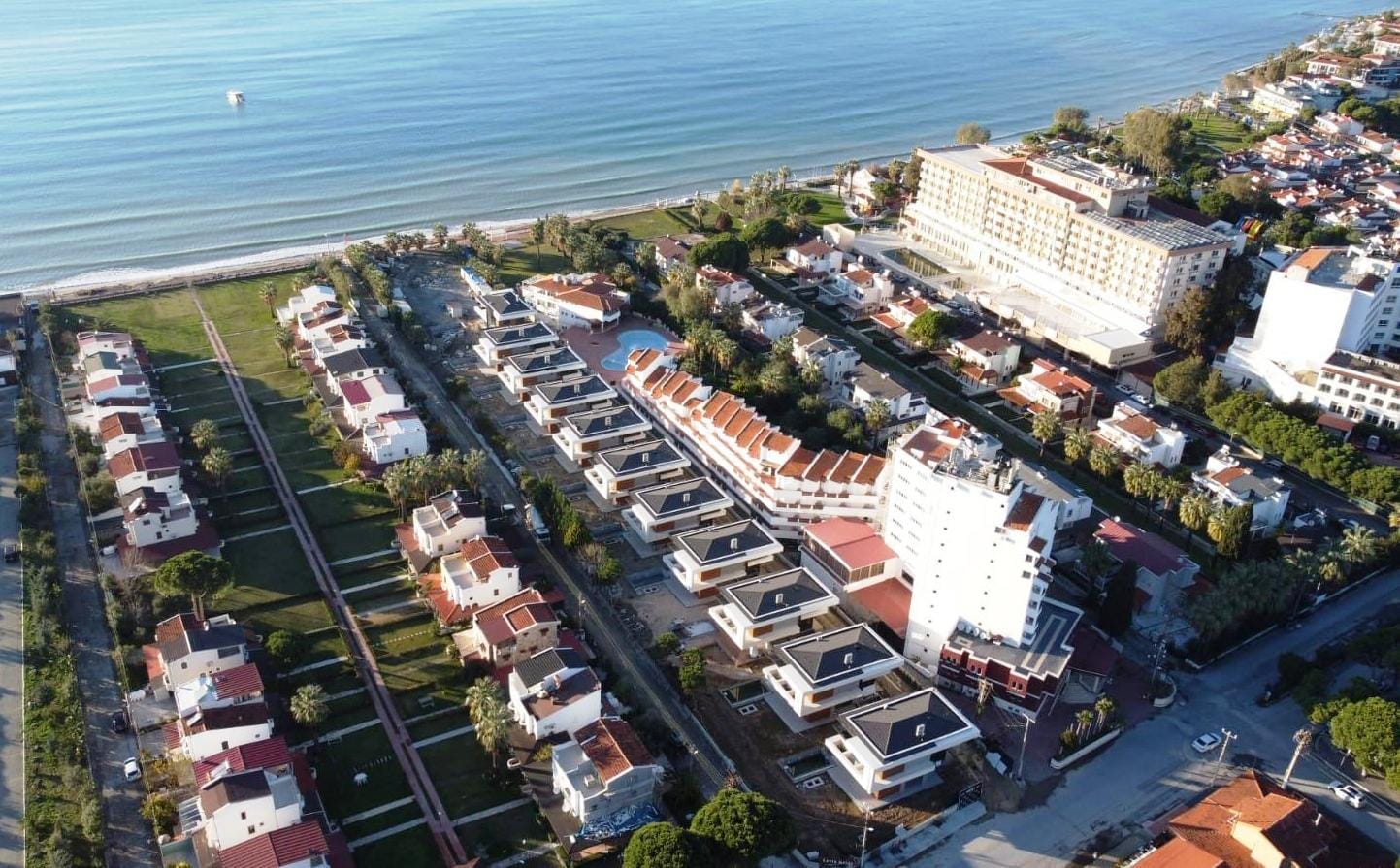
Turkey keeps appearing on overseas buyers’ shortlists in 2026 because it combines four advantages that rarely sit together: lower day-to-day costs than the UK, several genuinely different lifestyle regions, a property market that foreign buyers can usually access directly, and multiple residency pathways. But “Turkey” is really four shortlists wearing the same name — Istanbul metropolitan, the Antalya coast, the Aydın coast, and the Muğla coast — and the right answer turns less on the country than on two upstream questions: which inventory geography fits how you want to live, and which stay-route fits your real objective — citizenship, residency, or a freely tradeable second home. Get those two right and Turkey is straightforward. Get them wrong and the cheapest mistake is buying twice.
The Short Answer for Overseas Buyers
Compared with Spain, Portugal, or Cyprus, your money may stretch further, the climate suits long stays, and the market spans city apartments, marina homes, and family villas. Foreign ownership is well established and centrally tracked through the TKGM Land Registry’s TAKBIS system — not a fringe pathway. Istanbul, the Antalya coast, the Aydın coast, and the Muğla coast solve very different problems for very different buyers.
Why “Which Turkey?” Matters More Than “Why Turkey?”
Buyers either overreact to national headlines (assuming every region carries the same reality) or underreact to regional differences (buying on scenery alone). The honest filter: how international the area feels outside peak season, whether healthcare and services hold up year-round, airport access for repeated travel, and whether the area is lifestyle-led, family-friendly, investment-led, or seasonal.
Why Overseas Buyers Are Choosing Turkey in 2026
Turkey draws overseas buyers in 2026 with relative affordability, climate, established expat hubs, and a property market still accessible to foreigners. It can suit retirees, second-home buyers, lifestyle relocators, and citizenship-focused investors — but the right call depends on region, budget, and intended length of stay.
Affordability Versus Western Europe
Turkey can still look materially cheaper than Western Europe on both acquisition and monthly cost. Most overseas contracts are now denominated in USD, EUR, or GBP — which insulates headline pricing but does not eliminate currency risk on running costs. What matters is ongoing ownership value: larger homes for the same budget than many southern European hotspots, lower everyday service costs in local-led areas, and a wider budget-to-premium spread than most buyers expect.
Climate, Lifestyle, and Year-Round Living Appeal
The Aegean trades in postcards that earn their keep: gulets drifting in and out of Bodrum harbour at golden hour, breakfast spreads of menemen and bal kaymak that turn a Saturday into a slow event. The Mediterranean leans into heat and sound — the ezan rising over Antalya’s old town at dusk, the turquoise Lycian coast from a paraglider’s harness off Babadağ. Istanbul does something the coast cannot: a Bosporus rooftop sunset with tankers, ferries, and two continents in one frame, plus international infrastructure a leisure market cannot match.
Foreign-Buyer Accessibility and Ownership Rights
Foreigners can generally buy in their own name, subject to title checks and location restrictions. Two restriction layers run in parallel: certain districts are blocked at the title-deed stage, and the Presidency of Migration Management (goc.gov.tr) operates the “20% rule” closing neighbourhoods to new short-term residence permits once registered foreign residents cross that threshold. As of 2026 that includes ten full Istanbul districts (among them Esenyurt, Başakşehir, Fatih, Bağcılar, Avcılar) plus pockets of Antalya. You can still buy in some of these areas; you may not be able to register a permit at the same address. A current title-stage and district check both matter more than a list you read last year.
The Main Trade-Offs to Understand Early
Day-to-day costs compare well, but volatile currency demands discipline. Istanbul and prestige coastal zones sit well above “Turkey average” assumptions. The strongest case is not that Turkey is universally better than Spain or Portugal — it is that, for the right profile, certain Turkish regions offer more lifestyle alignment and property choice for the same budget.
Where to Live in Turkey: Region, Lifestyle, and Buyer Fit
Turkey works best when you match region to purpose. Istanbul suits globally minded buyers wanting business access and urban depth. The Antalya coast suits sunshine-driven second-home and family buyers. The Aydın coast suits value-led lifestyle buyers. The Muğla coast — Bodrum and Fethiye — suits buyers who want marina character and Aegean–Lycian scenery. (Other parts of Turkey — Black Sea, Cappadocia, the interior — have their own merits but sit outside Spot Blue’s coverage.)
Istanbul for Scale, Services, and International Connectivity
Istanbul is the least “holiday Turkey” version and the most practical for year-round infrastructure. If your priorities are private hospitals, international schools, business access, walkable districts, and strong flight connections, Istanbul deserves attention even if your first instinct was the coast. It suits internationally mobile professionals, investors, education-priority families, and buyers wanting a primary residence rather than a seasonal base.
The Antalya Coast for Sun, Resort Living, and Family Convenience
Antalya province — Antalya city, Alanya, Belek, Kalkan — appeals to buyers who want immediate ease. Modern residential schemes are common, family amenities abundant, weather supports outdoor life most of the year. Belek leans golf-and-resort; Alanya leans value and community; Kalkan leans boutique and view-led. Best for families, ease-of-use second-home owners, and rental-led buyers in tourism zones.
The Aydın Coast for Value-Led Aegean Living
Aydın province — Kuşadası, Altinkum (Didim), Akbük — sits on the Aegean and offers more home for the money than Bodrum or Kalkan. Kuşadası has the strongest services and year-round expat scene; Altinkum is the budget option with a flat, walkable coastline; Akbük is the quieter pocket. Best for retirees, value-led second-home owners, and remote workers wanting Aegean scenery without prime-Bodrum pricing.
The Muğla Coast for Marina Character and Lycian Coastline
Muğla covers the Bodrum peninsula and the Fethiye region. Bodrum is the marina-and-gulets postcard — Yalıkavak, Türkbükü, Gümüşlük each its own proposition. Fethiye, Ölüdeniz, and the wider Lycian stretch lean outdoor-and-scenery: paragliders off Babadağ, the Lycian Way in shoulder season. Best for repeat-use second-home buyers and lifestyle buyers who prioritise scenery.
What Daily Life Feels Like by Region
| Region | Everyday Feel | Best For | Main Watch-Out |
|---|---|---|---|
| Istanbul | Fast, connected, urban, international | Families, professionals, investors | Higher costs and pace |
| Antalya coast | Sunny, practical, resort-supported | Families, part-time owners, rental-led buyers | Can feel tourism-shaped in summer |
| Aydın coast | Aegean, value-led, walkable | Retirees, value buyers, remote workers | Some towns quieten sharply in winter |
| Muğla coast | Scenic, marina-led, sociable | Lifestyle buyers, retirees, second-home owners | Seasonality and peninsula pricing |
Expat-Friendly Versus Local-Led, and the Winter Test
Expat-friendly areas make the first year easier; local-led ones demand more effort but reward it with deeper sense of place. Climate matters beyond sunshine — it shapes mould risk, utility bills, summer overcrowding, and winter workability. The safer pattern: a lived-in district with strong transport and hospitals, mature mixed local-expat population rather than purely seasonal use.
A Quick Region-Match Table by Buyer Type
| Buyer Type | Best-Fit Region | Why It Often Works |
|---|---|---|
| Retiree | Muğla / Aydın coast | Lifestyle, social pace, climate |
| Family | Istanbul / Antalya | Schools, healthcare, year-round services |
| Investor | Istanbul / Bodrum / Kalkan | Depth, liquidity, demand drivers |
| Remote Worker | Istanbul / Bodrum / Kuşadası | Connectivity plus lifestyle choice |
| Second-Home Buyer | Bodrum, Fethiye, Kalkan, Alanya | Repeat-use appeal and leisure focus |
| Citizenship Applicant | Istanbul or qualifying coastal stock | Threshold, compliance, resale logic matter more than scenery |

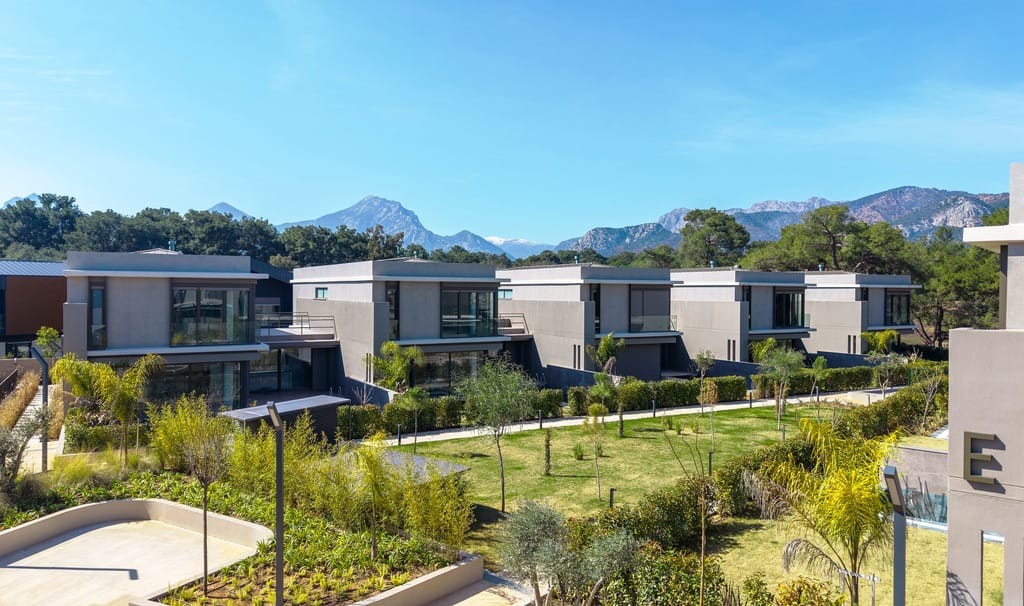
Find Your Turkey Living Match
Aegean, Mediterranean or Istanbul commuter belt — match the property to your residency plan, family logistics and lira-resilient budget.
What it Really Costs to Live in Turkey
Living costs vary sharply by city and lifestyle, but day-to-day expenses are still materially lower than in the UK. A single person may live comfortably on $1,200–$2,000 per month; couples and families need more depending on city, schooling, and housing.
Budget, Comfortable, and Premium Living Tiers
| Lifestyle Tier | Single Person | Couple | Family of Four | Typical Notes |
|---|---|---|---|---|
| Budget-Conscious | $1,200–$1,500 | $1,700–$2,200 | $2,300–$3,000 | Local-led living, modest housing, careful spending |
| Comfortable | $1,500–$2,000 | $2,200–$2,800 | $3,000–$4,200 | Better housing, eating out, private services mix |
| Premium | $2,800+ | $3,500+ | $5,000+ | Prime districts, premium coastal enclaves, higher imported-goods use |
Istanbul Versus Coastal Versus Secondary Towns
Istanbul sits above national averages in the districts overseas buyers actually want. Prime coastal enclaves — central Bodrum peninsula, Kalkan, branded Belek schemes — also price above expectation. Smaller coastal towns like Altinkum or Akbük are cheaper, but lower cost only helps if the location supports real life through the winter.
The Costs That Surprise Foreign Buyers
Site fees in apartment complexes, furnishing and setup, private healthcare and insurance, and repeated flights for part-time owners. With TurkStat reporting CPI at 32.4% in April 2026 and the lira at a fresh record low against the dollar, build a buffer rather than budgeting to the edge.
Buying Property in Turkey as a Foreigner
Foreigners can generally buy in their own name, subject to legal checks, location restrictions, and title verification. A safe purchase moves through reservation, due diligence, independent valuation, tax number + lira account, tapu transfer at the Tapu Kadastro office, DASK earthquake insurance, and documented payment with a government-approved valuation report on file.
The Standard Buying Journey
Reserve and freeze the price; engage an independent lawyer (not the seller’s); obtain a tax number and open a lira account; commission the official valuation; complete title due diligence including restricted-district checks; transfer funds with correct documentation; sign and register the tapu; arrange DASK and utilities. A clean process lands in four to six weeks.
Documents, Fees, and the TAPU
The tapu is the legally binding title deed, issued and registered by TKGM. Expect title-transfer tax, notary and translator fees, valuation cost, DASK premium, and legal fees — budget roughly 6–9% in total transaction costs, depending on whether VAT exemption applies to a new-build first sale.
Mistakes That Create Problems Later
Skipping independent legal advice; trusting an off-plan promise not in the contract; ignoring restricted-district status that can block a transfer at the registry; underestimating closing costs; assuming a verbal lira price when the contract is denominated in foreign currency. Title clarity matters more than headline price.
Residency and Visa Routes for Overseas Buyers
Buying property can support a short-term residence permit, but ownership alone does not grant permanent residence or work rights. The main 2026 routes are short-term residence (one to two years, renewable, often property-linked), family residence, student permits, employer-sponsored work permits, long-term residence (after eight continuous years of legal stay), and citizenship by investment.
Citizenship by Investment: Who It Fits, Who It Doesn’t
The current threshold is USD 400,000 in qualifying real estate (raised from USD 250,000 in June 2022), with a three-year mandatory hold enforced via a no-sale annotation on the tapu, and a government-approved valuation report required at both purchase and onward sale. Administered through TKGM and MFA. It fits buyers with a genuine immigration objective; it misfits buyers whose real goal is lifestyle, flexible resale, or yield, because threshold and hold period distort property choice.
Tax Residency Beyond 183 Days
Cross the 183-day threshold in a calendar year (continuously or cumulatively) and Turkey can treat you as tax resident — worldwide income becomes reportable, not just Turkish-source (subject to any applicable double-tax treaty; the UK has one). The UK government’s Living in Turkey guidance flags the framework but leaves the 183-day rule to buyers and advisers. That reshapes tax planning for buyers with rental income, dividends, or pensions elsewhere. Get advice before you cross the line.
Practical Living: Healthcare, Banking, and 2026 Realities
Healthcare: SGK and the Private Networks
Public healthcare runs through SGK (Sosyal Güvenlik Kurumu). The UK government’s Living in Turkey guidance is explicit: foreign residents can join the Universal Health Insurance System only after holding a valid residence permit for at least one continuous year — first-year arrivals must run on private or international cover. The recognisable private networks are Acıbadem, Memorial, and Medical Park, with strong English-speaking specialist care in Istanbul, Antalya, Bodrum, and Izmir.
Banking, Lira, and Moving Money Sensibly
You’ll want a lira account for utilities and site fees; Wise and Revolut handle cross-border transfers; HSBC, ING, and DenizBank remain accessible to foreigners for fuller relationships. Most contracts are denominated in USD, EUR, or GBP, but recurring local costs still move with the lira (which touched a record low near 44.5/USD in April 2026) — multi-currency is the practical default, not a sophistication. Live FX at the TCMB.
Common Mistakes Overseas Buyers Still Make
Choosing the wrong region for real life rather than holiday memory; assuming residency is automatic; underestimating total costs; trusting sales-side guidance without independent checks. The fix is the same: independent lawyer, independent valuation, winter visit before you sign.
Want a Turkey relocation plan with residency, banking and healthcare lined up before you complete? Speak to a Spot Blue Turkey advisor.
Explore Spot Blue’s Curated Turkey Listings
If Turkey remains on your shortlist, the useful next step is comparing regions, budgets, and ownership goals with an adviser who knows how Istanbul, the Antalya coast, the Aydın coast, and the Muğla coast actually suit different buyers.
Compare Bodrum, Antalya, Fethiye, Kalkan, and Istanbul With an Adviser
Spot Blue’s Turkey team can match your shortlist to current stock, flag restricted-district issues before they cost you, and run the affordability and residency framing properly the first time. The honest decision frame is narrow: which one of these regions fits how you actually want to live, at the budget you have, for the length of stay you plan?
Frequently Asked Questions
What Post-Completion Traps Catch Part-Time Owners In Turkey Most Often?
The biggest post-completion traps for part-time owners are usually not dramatic legal failures but recurring operational problems: absent key control, underplanned maintenance, weak utility oversight, and unrealistic assumptions about how easily an empty property runs itself. Buyers who use a Turkish home only for holidays or several months a year often budget for purchase and furnishing, then discover that “not being there” creates its own cost and risk profile.
The Most Common Friction Points
A part-time ownership model works best when routine tasks are assigned before completion, not after. The risks usually cluster in four areas:
- Access and security: spare keys, lock changes, smart entry, alarm response, and who can legally or practically enter if there is a leak or power issue
- Utilities and subscriptions: bills, meter readings, internet contracts, direct debits, and whether accounts stay active when the home is empty
- Preventive maintenance: air-conditioning servicing, boiler or water-heater checks, damp monitoring, pool or garden care, and storm-season inspections
- Building communication: site notices, annual fee demands, insurance renewals, and emergency works approved by management while you are abroad
| Trap | Why It Happens | Practical Fix |
|---|---|---|
| Missed site-fee notices | Notices sent locally or posted in common areas | Nominate a local contact and request digital copies |
| Utility interruption | Empty properties can go unchecked for months | Set reminders and confirm online payment access |
| Moisture or leak damage | Small faults worsen when no one visits | Arrange monthly visual checks |
| Key confusion | Agents, cleaners, and trades hold copies informally | Keep a written key log and change locks on takeover |
A Better Operating Plan
Treat the property like a small remote asset, not a passive holiday base. Before handover, confirm:
- Who checks the home physically, and how often
- Who can approve minor repairs up to a set limit
- Where bills, tax notices, and management messages are sent
- What happens if you cannot travel on short notice
- Whether your insurance conditions require periodic occupancy checks
This is also where inflation matters. With TurkStat reporting CPI inflation above 30% year-on-year in early 2026, service charges, cleaning, callouts, and repair costs can rise faster than owners expect, so your reserve should be reviewed annually rather than copied from year-one assumptions. For baseline affordability and everyday spending context, see “What It Really Costs to Live in Turkey” above.
Which Documents Matter Most When Checking A Building’s Real Risk Before Purchase?
The most important documents are the title deed record, municipal licence history, occupancy paperwork, compulsory earthquake insurance status, and any building-level engineering or management records that reveal how the property has actually been maintained. Buyers often look at cosmetic condition first, but document consistency is what tells you whether a building is legally regular, insurable, and realistically saleable later.
What To Ask For Before You Commit
A foreign buyer does not need to become a structural engineer, but you do need a disciplined document request list. At minimum, ask your lawyer to review:
- Title deed details (tapu): to confirm the seller, property type, and whether the asset matches what is being marketed
- Municipal project and licence records: to check that the constructed property aligns with approved plans
- Occupancy permit / habitation status: because practical use and utility connections can depend on proper completion status
- DASK / compulsory earthquake insurance: not as proof of build quality, but as part of normal ownership compliance
- Site management records: annual budgets, reserve funds, major works history, and unpaid dues patterns
- Evidence of alterations: closed balconies, merged rooms, or layout changes that may not match approved plans
| Document | What It Tells You | Warning Sign |
|---|---|---|
| Tapu record | Legal identity of the asset | Mismatch with listing description |
| Licence file | Whether construction followed approvals | Missing or inconsistent file trail |
| Occupancy paperwork | Completion and lawful use status | Utilities or use dependent on unresolved approvals |
| Site accounts | Maintenance culture | Chronic underfunding or arrears |
| Insurance record | Ongoing operational discipline | Lapsed cover |
Why Document Quality Matters More Than Building Age Alone
Age matters, but it is only one clue. A newer building with poor site governance, unresolved modifications, or thin paperwork can be a riskier buy than an older, well-documented property on a competently managed site. The UK government’s guidance for overseas buyers also stresses using an independent lawyer and verifying permissions rather than relying on seller assurances alone. Turkey’s official land-registry system, including TKGM and WebTapu tools, supports title verification, but those tools do not replace legal interpretation.
Your aim is not merely to confirm that the property exists; it is to confirm that the legal file, physical reality, and management history all point in the same direction. For the wider legal purchase framework, see “Buying Property in Turkey as a Foreigner: Rights, Rules, and Process” above.
How Long Should You Rent Before Buying If You Are Unsure About Area Fit?
If you are unsure about area fit, rent long enough to experience ordinary inconvenience rather than holiday pleasure; in practice, that usually means at least one full month in your target micro-location, and ideally a second stay in a different season before you buy. A long weekend or even a polished one-week viewing trip rarely exposes the things that drive regret later, such as noise, transport dependence, weak winter services, or whether the neighbourhood actually suits your routine.
A Practical Trial Timeline
The right rental test depends on how close you already are to a buying decision.
| Trial Length | Best For | What It Can Prove |
|---|---|---|
| 7–10 days | Early shortlist stage | Street feel, walkability, immediate dislikes |
| 3–4 weeks | Serious area testing | Grocery patterns, noise, work routine, transport |
| 2+ separate stays | Year-round living plans | Seasonal shifts, summer crowding, winter quiet |
For many overseas buyers, the key question is not “Do I like Turkey?” but “Can I live well in this exact district?” That is a narrower and more useful test.
What You Should Try To Validate
During a rental period, measure the parts of life that are expensive to correct after purchase:
- Morning and evening movement: school runs, commuting, hills, parking, and traffic pinch points
- Digital reliability: home internet, mobile signal, and backup options if you work remotely
- Service depth: pharmacies, clinics, supermarkets, banking, and whether they remain convenient outside peak season
- Comfort factors: humidity, street noise, barking dogs, call to prayer audibility, and exposure to wind or traffic
- Social tempo: whether the area feels too transient, too quiet, or too tourism-led for your real habits
When Renting First Is Especially Wise
Rent first if any of these apply:
- You are choosing between two very different regions
- You have never spent time there in winter or shoulder season
- Your family routine depends on schools or healthcare access
- You are torn between villa privacy and apartment convenience
- Your residency or work pattern is still uncertain
This approach also protects you from buying based on threshold pressure, exchange-rate emotion, or estate-agent urgency. In other words, a rental trial is not hesitation; it is evidence gathering. For the broader question of matching neighbourhoods to lifestyle needs, see “Where to Live in Turkey: Region, Lifestyle, and Buyer Fit” above.
Who Is Most Likely To Regret A Citizenship-Driven Purchase In Turkey?
The buyers most likely to regret a citizenship-driven purchase are those whose real goal is lifestyle use, flexible resale timing, or retirement comfort rather than immigration strategy. When citizenship becomes the organising principle, it can distort property choice, push buyers toward threshold-led stock, and reduce willingness to walk away from mediocre assets that happen to qualify.
Where The Misalignment Starts
A citizenship application is a regulated process, not simply a nicer version of ordinary homebuying. That distinction matters because the “best” property under a programme lens may not be the best property for personal use, yield, or resale. The programme rules — administered jointly by the Land Registry (TKGM) and the Ministry of Foreign Affairs (mfa.gov.tr) — turn on valuation, compliance, and a three-year holding annotation on the tapu. Those are not minor details; they shape what you can buy, how you hold it, and when you can exit.
| Buyer Type | Why Citizenship-Led Buying Can Misfire |
|---|---|
| Retiree | Lifestyle comfort may matter more than threshold optimisation |
| Second-home buyer | Holding-period rules can limit flexibility |
| Family mover | Schools, healthcare, and routine may be sacrificed to programme fit |
| Budget-stretched buyer | Threshold pressure can encourage overbuying |
| Undecided investor | Exit logic may be weaker than expected |
Typical Regret Patterns
The most common regrets are surprisingly consistent:
- Buying a property that qualifies on paper but is poorly suited to daily life
- Paying too much attention to application timing and too little to local demand depth
- Overpaying for stock marketed mainly around eligibility rather than market fundamentals
- Assuming citizenship and resale attractiveness are the same thing
- Underestimating how restrictive a mandatory hold period can feel if plans change
A Better Decision Filter
Ask these questions in order:
- If citizenship were removed from the equation, would you still want this property?
- Is the asset attractive to normal buyers in its local market, not only programme applicants?
- Can you comfortably hold it for the required period without relying on a quick exit?
- Has an independent lawyer reviewed the legal and valuation structure?
Turkey’s land-registry directorate (TKGM) confirms that foreign real-property acquisition is a long-tracked, centrally monitored category — but ordinary foreign ownership is not the same thing as a citizenship strategy. Treat citizenship as a specialist route for buyers with a genuine immigration objective, not as a shortcut to justify a weak property. For the article’s broader stay-route discussion, see “Residency and Visa Routes for Overseas Buyers” above.
How Should You Run A Serious 7-Day Field Test Of A Turkish Neighbourhood?
A serious 7-day field test should be run like a mini due-diligence exercise: stay in the exact micro-location, follow a normal weekday routine, record timings and annoyances, and deliberately test the services you would depend on if you lived there. Seven days is not enough to prove permanent fit, but it is enough to eliminate many neighbourhoods that look good on a portal and function badly in real life.
A Simple 7-Day Testing Plan
Use each day for one practical theme rather than wandering aimlessly.
| Day | Focus | What To Check |
|---|---|---|
| 1 | Arrival logistics | Airport transfer time, road quality, taxi reliability |
| 2 | Morning routine | Noise, traffic, walkability, coffee/grocery access |
| 3 | Services | Pharmacy, clinic, ATM, supermarket, parking |
| 4 | Workability | Internet speed, mobile signal, quiet hours |
| 5 | Evening feel | Lighting, safety perception, restaurant realism vs tourist strip |
| 6 | Admin friction | Bank branch access, translations, ease of simple tasks |
| 7 | Repetition day | Repeat your most important journey at a busy time |
What To Record, Not Just Notice
Most buyers remember scenery and forget friction. Keep a short scorecard on:
- Travel times: not brochure estimates, but your actual timings
- Noise pattern: mornings, late evenings, bins, deliveries, traffic, neighbours
- Seasonality clues: shuttered businesses, empty streets, or overdependence on summer trade
- Terrain: steep walks, broken pavements, stair dependence, winter practicality
- Everyday cost signals: grocery pricing, café norms, delivery availability, parking charges
Questions Worth Asking Locals
Ask year-round residents or shopkeepers, not only agents:
- What closes in winter?
- When does traffic become difficult?
- Are there water-pressure or power-cut issues?
- Is this area mainly owners, long-term renters, or short-stay visitors?
- What do residents complain about most?
This method matters because Turkey’s appeal is broad but highly varied: Istanbul solves a different life pattern from Antalya, Bodrum, or smaller resort towns. A field test helps you choose a neighbourhood by evidence rather than atmosphere. If the area still works after you have tested errands, noise, transport, and digital reliability, it deserves a place on your shortlist. For the wider location-comparison framework, see “Why ‘Which Turkey?’ Matters More Than ‘Why Turkey?'” above.
Which Features Shrink Your Resale Buyer Pool In Turkey The Fastest?
The features that shrink your resale buyer pool fastest are awkward access, unclear paperwork, unusually high running costs, over-personalised design, and locations that depend on a very narrow type of buyer. In resale, liquidity usually comes from clarity and convenience, not from uniqueness alone. A property can be beautiful and still be hard to sell if too few future buyers can use it easily, finance it comfortably, or understand its value quickly.
The Main Buyer-Pool Killers
Some limitations are obvious, but others hide behind lifestyle marketing.
- Difficult approach: very steep roads, too many stairs, weak parking, or long transfers from practical services
- Operational burden: high site fees, heavy garden/pool upkeep, or complex management arrangements
- Overcustomisation: niche décor, merged rooms, lost bedrooms, or layouts that suit one owner’s taste only
- Paperwork friction: unresolved title issues, informal alterations, or mismatches between plans and reality
- Thin local demand: prestige stock in a small micro-market with few year-round buyers
| Feature | Why It Hurts Resale | Who It Excludes |
|---|---|---|
| High annual fees | Buyers calculate total carrying cost | Budget-sensitive owners and investors |
| Too many stairs/steep access | Daily use becomes impractical | Older buyers, families, part-time owners |
| Irregular paperwork | Slows legal process and confidence | Most prudent buyers |
| Oversized niche property | Smaller natural demand pool | Mainstream resale market |
| Seasonal-only location logic | Limits year-round appeal | Relocators and domestic end-users |
A Smarter Resale Test Before You Buy
Ask yourself:
- Could a local buyer, not just a foreign holiday buyer, want this home?
- Would the property still make sense in winter?
- Are the running costs proportionate to nearby alternatives?
- Can the main selling points be explained in one sentence?
- If market conditions weaken, does the property still appeal beyond one niche segment?
This matters more in a market where foreign transactions are meaningful but still limited relative to total sales. Official data show that sales to foreigners are only a small share of Turkey’s overall housing market, so relying solely on “another overseas buyer will want it” is risky thinking. The safest resale logic is broad appeal backed by clean documentation and manageable ownership costs. For the article’s broader market-access and ownership context, see “The Short Answer for Overseas Buyers” above.
Build a Turkey Life That Actually Holds Up
Residency, banking, healthcare, lira exposure — get a personalised plan and property shortlist matched to how you intend to live.