
 Natalie
 Winter in Dubai isn’t just a break from the summer heat and humidity. It’s the best time for socialising and investing. Expats move in and find properties where they can really enjoy life. In reality, this means months of beautiful weather, and outdoor living.
This mild climate makes quick car rides feel like leisurely activities. You can skydive over the Palm, enjoy the calm of Al Qudra Lake, or explore the ancient rocks near Fossil Rock. This period is also crucial for the real estate market, and attracts many buyers and renters. Significant events, like spectacular firework displays and the exciting Dubai 7s rugby tournament, draw them in. Buying now means taking advantage of the city’s most vibrant and high-demand season.
Dubai’s Winter: Main Points
Weather: Forget cold and snow. Winter (roughly November to March) is the peak season with pleasant, sunny days. Temperatures range from 20°C to 30°C (68°F to 86°F) during the day, with cooler, breezy evenings that may require a light jacket (dropping to 14°C to 18°C or 57°F to 64°F). The wind speed peaks in March.
Outdoor Playground: The mild climate highlights outdoor fun, desert safaris, beach days, yacht cruises, and al fresco dining. Plus, it’s a great time to explore landmarks like the Burj Khalifa. The city is alive with events, outdoor markets like the Ripe Market, and the vast cultural hub, Global Village. This vibrant spot is open only in winter.
Dress Smart: Wear light layers for comfort day and night. Don’t forget essentials like sunscreen, sunglasses, and a hat; the winter sun can still be intense. Swimwear is for beaches/pools, but ensure modest cover-ups for public areas.
Key Facts to Know About Dubai
Population Size (2024 Est.): The Emirate’s resident population is about 4.0 to 5.1 million. These numbers may vary slightly depending on the source and method used, but they still show rapid growth. The daily working population swells to 5 million during peak hours, driven by commuters from other emirates.
Expatriate Majority: 90% of the population are expatriates. The 2040 Urban Master Plan aims to reach 5.8 million residents and a daytime population of 7.8 million by 2040.
Record-Breaking Visitors: Roughly 19 million tourists arrive every year. The city is also one of the most-visited places in the world. It was the #1 global destination for three years in a row, according to TripAdvisor’s Travellers’ Choice Awards.
Part of the UAE: Dubai is the second-largest emirate by area (after Abu Dhabi) and the most populous in the UAE federation. It is situated on the Persian Gulf coast in the northeast section of the Arabian Peninsula.
Natural Feature: The city has two main parts; Deira in the north and Bur Dubai in the south. They are divided by the Dubai Creek, a natural inlet from the Persian Gulf. This creek was historically crucial for trade and pearling. Sandy desert patterns contrast with the gravel deserts found in the southern UAE.

In-depth Guide to Spending Winter in Dubai
1: Low Humidity and Sunshine Hours
Daytime temperatures are pleasant, ranging from 22°C to 28°C, perfect for sightseeing, beach activities, or simply strolling through the city. January is the coolest month, with an average daily high of around 22°C (72°F). As the sun sets, expect temperatures between 14°C and 20°C for evening events and outdoor dining. Crucially, the oppressive summer humidity subsides, leaving the air feeling fresh.
Expect an average of eight to nine hours of sunlight per day. This consistent sunshine maximises your time outdoors. Whether spending time at one of the Dubai Parks or embarking on a Desert Safari, the weather is almost always on your side.
2: Understanding the Seasonal Climate and Rainfall
There is a distinct two-season cycle: a long, hot summer and a short, mild winter. The UAE’s National Centre of Meteorology (NCM) manages and monitors this transition. It provides essential data on weather patterns. Winter features northwesterly winds called the Shamal. These winds can sometimes bring cooler temperatures and moderate speeds. While rain is not unheard of, rainfall is minimal. The city averages only a few rainy days during these months, and when they do occur, they’re typically short, light showers.
3: Seasonal Highlights – New Year’s Eve
The climax of the season is New Year’s Eve, a citywide spectacle of awe-inspiring fireworks. The countdown at the Burj Khalifa on New Year’s Eve is unmatched. It turns the tallest building in the world into a vast, choreographed digital canvas for a stunning midnight show.
Getting a great view at the Dubai Mall promenade takes a full day. Roads close and crowds gather from 4 PM. Enjoy hassle-free spots like Burj Park. Plus, Souk Al Bahar has high-end restaurants for gourmet dining and front-row views.
4: Global Gatherings: World-Class Festivals & Sporting Events
The Dubai Shopping Festival (DSF) is a city-wide retail extravaganza that typically kicks off in December. DSF isn’t just about sales. It includes daily raffles, concerts, and family-friendly fun. It turns shopping spots like the Mall of the Emirates into lively entertainment zones. Another key spot is the Global Village. It’s a large multicultural festival park with pavilions from 90 countries. Here, you can explore their food, crafts, and culture. Celebrated on December 2nd, UAE National Day also marks the formal nationalisation of the seven emirates.
5: Urban Wonders & Thrilling Activities
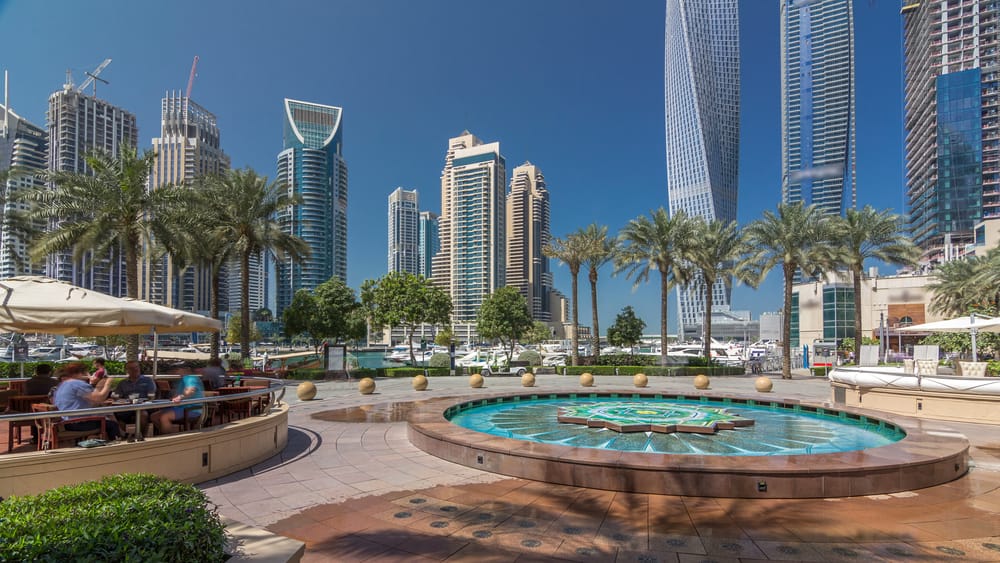
Expect the clearest skies for a trip up the Burj Khalifa, providing panoramic views that stretch for miles. The Dubai Fountain puts on stunning water-and-light shows and are best during evening walks by the promenade. A walk or a yacht cruise around Dubai Marina is a must-do. The stunning buildings shine brightly against the night sky. For families, theme parks like Dubai Parks and Resorts are far more enjoyable.
6: Cultural Immersion & Heritage Highlights
Visit Old Dubai. Take an abra (traditional wooden boat) across the Creek to wander through the bustling Gold and Spice Souks. The Al Fahidi Historical Neighbourhood has narrow alleyways and conventional wind-tower buildings. It provides a calm escape and a look into the city’s history. For a modern cultural fix, the Dubai Opera hosts a world-class program of concerts, theatre, and ballet.
7: Exploring the Hatta Mountains
For different scenery and an even cooler climate, visit Hatta. Just 90 minutes away, this spot in the Hajar Mountains boasts a beautiful natural landscape. It stands in sharp contrast to the bustling city.
Hatta’s higher altitude means its temperature is consistently a few degrees cooler. The rugged mountains, the turquoise waters of Hatta Dam, and the restored Hatta Heritage Village offer several exploration routes. The area alos excels in adventure sports, and people kayak on the calm dam, bike on special trails, and hike through the wadis.
8: Al Fresco Dining & an Arabian Food Guide
Restaurants across the city, especially in areas like Dubai Marina, Downtown Dubai, and Atlantis, The Palm, open their terraces to patrons. To truly connect with the local culture, delve into traditional Emirati cuisine. Try hearty dishes like machboos (spiced rice and meat) or harees (wheat and meat porridge).
Eat at restaurants in the Al Fahidi district, or join a food tour to sample authentic flavours. Don’t miss the opportunity to sip on karak tea, a sweet, spiced milk tea that is a beloved local staple, especially on a cool evening.
9: Winter’s Social Calendar and Outdoor Exploration
For holiday cheer, the Madinat Jumeirah Festive Market has it all. Enjoy towering trees, festive food stalls, and abra rides along the lovely canals. Dubai Design Week brings global talent to the city’s creative areas.
The culinary scene is booming with gourmet dining, fantastic street food, and traditional dishes like labneh and Umm Ali. These are often found at Dubai Festival City Mall and other evening hotspots. Enjoy the city’s social calendar, featuring high-stakes golf at the tennis championships and the Dubai Golf Tournament.
The mix of pleasant temperatures, low humidity, and sunny days creates a great environment. Blend grand celebrations with intimate local experiences. The Global Village is also a foodie paradise, offering authentic dishes from dozens of countries in a lively, open-air setting.
The Dubai Desert Classic is more than just a stop on the DP World Tour. It’s a show where golf’s rich history blends with a stunning, modern setting. Relax on the sand, take a dip in the Arabian Gulf, or try various watersports without the scorching summer sun.
10: Expat’s Golden Season for Outdoor Living
Summer heat turns into a lively outdoor scene, with average daytime temperatures at 24°C. This ideal climate eliminates summer heatwaves. It lets you fully enjoy the city’s diverse attractions and the desert landscape. You can relax at Jumeirah Public Beach or JBR Beach or skydive over Palm Jumeirah. The UAE National Centre of Meteorology sometimes issues fog warnings or handles brief rainstorms with cloud seeding. Still, most days are sunny.
Events thrive, like the Dubai Duty-Free Tennis Championships, cultural experiences at Al Wasl Plaza in Expo City Dubai, and the seasonal Madinat Jumeirah Festive Market. Also enjoy shopping tours of al fresco retail hotspots or enjoying local cuisine like labneh and Umm Ali during the Dubai Food Festival.
Popular Questions and Answers
What is the coldest month in Dubai?
The coldest month is January, with an average of about 24°C (75°F). Overnight lows drop to around 14°C (57°F) to 16°C (61°F). For expats fleeing colder places, a key question in January is about the seawater temperature. Is the Gulf still inviting? The answer is a resounding ‘yes,’ although it’s certainly more refreshing than the bath-like summer months—seawater temperature averages around 22∘°C to 23∘°C (72∘°F to 73∘°F).
Locals and long-term residents find this cool, given the hot 33°C summer highs. But for European or North American visitors, it’s ideal for swimming at Jumeirah Beach or Nessnass Beach. This temperature is cool enough to feel refreshing under the Dubai Winter Sun. It’s also warm enough for long afternoons at Umm Al Sequim Beach, where you can gaze at the Burj Al Arab.
Is winter in Dubai cold?
For those fleeing true northern winters, this is less a season of chill and more a glorious, sweet sun. From December through February, daytime high temperatures range from 24∘°C to 27∘°C (75∘°F to 81∘°F), ideal for lounging on JBR Beach or exploring the city. However, as the sun dips, so do thermometers.
Nighttime averages fall to 14∘°C to 17∘°C (57∘°F to 63∘°F), meaning you should wear a jacket when visiting nighttime spots or enjoying al fresco retail hotspots. Here’s the funny part for new expats: long-time residents, used to the intense summer heat, often find anything below 20°C quite cold. So, don’t be surprised to see them in heavy coats and scarves! Rest assured, while extreme record lows exist, mild weather makes the city truly shine.
Is October winter in Dubai?
October consists of climatic ambiguity and the first truly noticeable break from the severe summer heat. October still has plenty of sunshine, with highs around 30°C to 35°C (86°F to 95°F). The intense humidity starts to fade, and nights become cooler than in September, often dropping below 25°C.
This transition period marks the start of the social season. It’s time to enjoy outdoor evening events and Jumeirah Beach, as the seawater temperature becomes more tolerable. So, October marks the start of the best weather months. It’s a great time for trips to places like the Dubai Frame or Dubai Aquarium & Underwater Zoo. However, the really mild temperatures come in November and December.
Has it ever snowed in Dubai?
The short answer is a definitive no. You might see dramatic, fake pictures online of the Burj Al Arab covered in snow. But the coastal climate and urban heat keep temperatures from dropping low enough for natural snowfall. The closest the city gets to snow is the artificial real-snow slopes at Ski Dubai in the Mall of the Emirates!
However, for completeness, it is true that the wider UAE has seen the phenomenon. Jebel Jais, Ras Al Khaimah’s highest peak, towers over the city and the desert. Sometimes, it gets cold enough to see snow during harsh weather. However, this snow is hundreds of kilometres from Dubai International Airport and Jumeirah Beach.
Winter Luxury: Your Property Portfolio’s Shining Moment
The arrival of high-net-worth individuals in winter offers great chances to find a home that matches the luxury lifestyle. In peak months, demand for ultra-exclusive properties soars. This is often tied to top hospitality brands.
The branded residences at Raffles The Palm Dubai offer luxurious, five-star living on the sought-after Palm Jumeirah crescent. Serviced apartments at Caesars Palace on Bluewaters Island offer beachfront access and outstanding resort amenities. High-end villas and apartments near Dubai Hills Mall provide a premium suburban lifestyle. This master-planned community is centred around an 18-hole championship golf course.
For clients with business in Abu Dhabi, investing near Jebel Ali is easy. They can also enjoy weekend luxury staycations at the W Abu Dhabi at Yas Marina Circuit. If you are interested in home ownership or investing, call an agent today who can answer all your questions. Alternatively, see our portfolio of apartments and villas and use the contact details to find out more or arrange viewings.
Also, About Dubai and the UAE
Expats Living: To know why so many expats live here, look beyond the glitzy lifestyle that often appears on social media. Known for its stunning skyscrapers and lavish lifestyles, the city offers much more than its appearance suggests. As a multicultural society, 89% of residents are foreigners. This is proof that the attraction is real and isn’t hype.
Beautiful Beaches: With year-round sunshine and warm waters, Dubai’s best beaches are always welcoming. This ultimate guide will explore the best public and private beach clubs, family-friendly beaches, water sports, beachfront dining, nightlife, beach safety, and etiquette. So you know what to expect when you wake up to those fantastic sea views.
Why Buy Property: For some people, investing in property build wealth and secures their financial future. With luxurious lifestyles and a booming real estate market, this is a popular destination for investors. Expect stunning developments and iconic skyscrapers to rise during winter in Dubai.