 Natalie
 Regions of Turkey – Complete Guide to the Country’s Geography, Culture & Climate
The seven regions of Turkey ideally introduce the country’s diversity. The world stereotypes Turkey, yet geographical facts easily explain its uniqueness and how the different regions of Turkey vary in climate, culture, and lifestyle. If you’re considering a move or investment, there is a wide choice of property for sale in Turkey across these regions.
- Turkey covers more than 783,000 square kilometres and is the world’s 37th largest country.
- Due to the enormous size, the Köppen climate type classification system says eight different climate zones exist at any time.
- Turkey borders eight countries: Iran, Iraq, Syria, Azerbaijan, Armenia, Georgia, Greece, and Bulgaria.
- 5000 miles of coastline sit next to the Aegean, Mediterranean, Black and Marmara seas.
- 95% sits on the western Asia Minor continent, and 5% is in southeast Europe.
What Are the Regions of Turkey?
In 1941, the Turkish government classified the separate regions and officially divided them into 81 provinces. They didn’t just stick pins into maps, though. Much discussion went into each area’s topography, population, climate zones, and agricultural trade when deciding what the main regions of Turkey should be.
Four regions of Turkey cover coastal areas, and three are inner Anatolian. The regions of Turkey are both geographical and cultural, and they form the framework that most people mean when they ask, “What are the regions of Turkey?” or “What are the 7 regions of Turkey?”
The Seven Regions of Turkey (Official Classification)
The seven regions of Turkey map below shows how the country is divided from east to west. This is the standard geographical regions of Turkey model used in schools and atlases.

From west to east, the seven regions of Turkey are:
- Marmara Region
- Aegean Region
- Mediterranean Region
- Black Sea Region
- Central Anatolia Region
- Eastern Anatolia Region
- Southeastern Anatolia Region
1: Marmara Region
The northwest Marmara region includes Istanbul, the most populous city with bustling streets. Neighboured by the Aegean region to the south, the Black Sea to the east and bordered by Greece and Bulgaria, residents enjoy the gorgeous Aegean and Marmara seas. Istanbul excels in real estate, business, education, economy, and tourism, and famous tourist sites like the Hagia Sophia and Blue Mosque attract thousands daily.
The outskirt Bursa province is noted as the Ottoman Empire’s former capital and ruling centre before they conquered Constantinople. As a UNESCO site, Bursa features many ancient buildings and landmarks. Nearby Uludag Mountain, a winter skiing destination, gained fame in Greek Mythology as the location from where the gods watched the Trojan War.

Despite being home to Turkey’s most populated city, don’t assume the Marmara region is all about an urban lifestyle because the Bolu Province promotes natural living and Mother Nature. This scenic area with blue lakes and green landscapes is a favourite weekend getaway destination for Turks living in big cities like Istanbul and Ankara.
Another outskirt area, the Gallipoli peninsula, was where World War One’s most crucial battle occurred when the Ottoman army fought off invading allies. In nearby Canakkale, excavations uncovered the foundations of Troy’s ancient city, which is considered a Greek mythological myth. In 1998, UNESCO added Troy to the World Heritage list, making Marmara one of the most historically important regions of ancient Turkey.
2: Aegean Region
This region, which gets its name from the Aegean Sea, has the longest coastline. Thanks to hot summer temperatures and a mild winter, this is one of the key Mediterranean climate regions of Turkey. Three central provinces, Aydin, Izmir, and Muğla, stand out as strong performers for travellers and ex-pats living and buying homes.
Notable districts include the port city of Kusadasi, which makes roaring trade from cruise ship liners docking in to visit the nearby Ephesus City, another UNESCO World Heritage Site and top-visited attraction. Hundreds of tourists also descend on inland Denizli daily to see Pamukkale, called the Cotton Castle travertine pools.

Didim, a coastal resort, features the ancient Apollo temple and is nicknamed Little Britain because of the many Brits who live there. Izmir, often called the Aegean Pearl, is Turkey’s third-largest city and a significant export/import industry hub. It also excels in medical and university education.
Lastly, the Bodrum peninsula on the Turkish Riviera inspires artisans and attracts wealthy business people, Saudi royalty, and international celebrities. Favoured by foreigners and Turks, the peninsula includes smaller resorts like Gumusluk, Turgutreis, and Yalikavak, which shot to global fame when they constructed the large ultramodern mega-yacht marina. Agricultural land in the southern Aegean focuses on olive groves, while the northern specialises in dairy farming.
3: Mediterranean Region
The Mediterranean region covers the entire southern coastal plains and specialises in tourism, citrus fruits, foreign holiday home ownership, education, and sailing. Backed by the Taurus Mountains range, during summer months, locals and holidaymakers flock to coastal regions to bask on sandy beaches fronted by the gorgeous blue Mediterranean Sea.
The many things to do in Antalya make the area popular alongside smaller, well-performing districts like Kemer, Belek, Side, and Alanya, the fastest-growing tourism hub. Further west, Fethiye, which includes the city centre, the famous blue lagoon, and smaller resorts like Oludeniz, Calis, Ovacik, and Hisaronu, is another favourite of Brits. Marmaris is another crucial tourism and property destination.

The Mediterranean coast includes the Lycian Way, a trekking path exploring the Lycian Kingdom’s historical cities and ancient ruins. Let’s not forget the Riviera, of which this stretch is called the Turquoise Coast because of its blue waters, sandy beaches, inlets, and islands. The Mediterranean climate is the hottest, and sitting inland, places like Burdur specialise in animal husbandry and are rising in popularity as more people seek to get off the mainstream tourism tracks.
4: Black Sea Region With a Milder Climate
The Black Sea region receives the most annual rainfall and covers the entire north coast. Middle Eastern nationalities with remarkable cultural similarities and undying interest in gorgeous landscapes have increased tourism trade to this beautiful region in recent years.

Areas with dense forests enjoy celebrity-like fame, including Trabzon, which attracts Kuwaitis, Iraqis, and other nationalities who want to buy houses there. The benefits of life near mountainous regions are hard to resist, and the natural beauties and green meadows of places like the Ayder Plateau and Uzungol boost local travel fame.
In the Kackar mountains, snowy winters are standard, while pine forests, ancient Sumela Monastery, and other natural landscapes make this destination unique. Other areas include Rize, the tea capital, thanks to fertile lands and heavy rainfall. Further west, Amasya, a UNESCO World Heritage Site, earns fame for the Pontic tombs and old Ottoman houses.
5: Central Anatolia Region
With a steppe climate, the inland Central Anatolia region has several attributes to boast about. First, the government reigns supreme from Ankara, the capital city. Second, Turks highly respect Anitkabir, which holds the tomb of Mustafa Kemal Ataturk, who founded the Republic. Three hours away, conservative Kayseri City excels in business and commerce. Sitting west, Konya city oozes spiritual ambience as the home of Rumi, one of history’s most celebrated poets.
Additionally, the cultural centre of Cappadocia is one of the three top tourist destinations. Historical treasures, ancient underground cities, and diverse flora and fauna attract thousands of visitors annually. During the year, hot-air balloons rising above the Cappadocia plains early in the morning are Instagram-worthy photos.

People even travel there during cold winters to visit the natural wonders of fairy chimneys. The unique wind stream is the perfect location for balloon rides, and distinct landscapes attract trekkers. This area is also famous for Lake Tuz, a Salt Lake that forms a hard crust during summer’s average temperatures.
6: Eastern Anatolia Region
Eastern Anatolia, with its continental climate, isn’t popular with foreign travel industries. Yet, over the last decade, Turks have taken more interest in exploring flat plains bordering Iraq, Iran, Azerbaijan, Armenia, and Georgia.
As the largest region in terms of area, notable provinces include Erzurum University hub and Kars City, with distinct Russian architecture in the old quarter and home to the Ani historical site, the city of 1001 churches. The Van province has two claims to fame: producing Turkey’s best breakfast version and Lake Van, Turkey’s largest lake. The Armenian cultural heritage is fascinating to learn about.
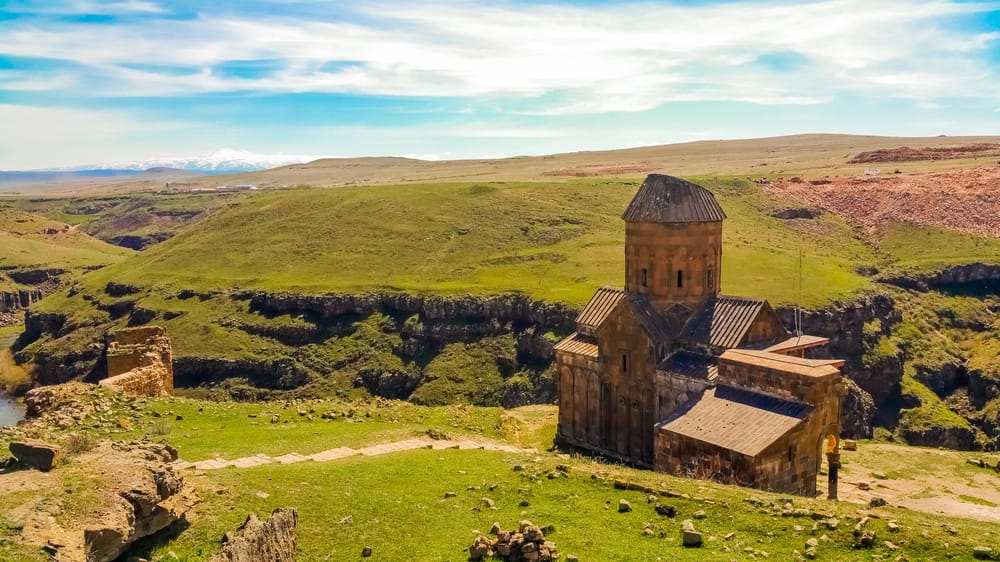
Eastern Anatolia makes up 18% of the land mass and has a population of 6,500,000, yet most are rural rather than urban. The landlocked region’s climate is due to its inland mountainous terrain, so winters are longer and colder. However, the region’s strong culture, history, and food traditions are exciting to explore.
7: Southeastern Anatolia Region
In history, the southern Anatolian region, covering just over 59,000 square kilometres, sat on the edge of Mesopotamia, which some say was the birthplace of civilisations. These days, Southeastern Anatolia encompasses Diyarbakir, Mardin, Sanliurfa, and Gaziantep, provinces among other smaller ones, and has sizeable Kurdish populations with historical values.
They have a remarkable historical tapestry, rich cultural background, and fantastic cuisines that worldly travellers would find interesting. However, while tourism increased around 2013, the area shares a border with Syria; hence, tourists do not go there these days.

The southeastern region’s hotter summer climate produces different agricultural exports. Gaziantep grows high-quality pistachio nuts, and bakers earn fame for the best baklava. Another famous city, Sanliurfa, is home to Ibrahim (Abraham), a prophet of Islam, while old Mardin displays extraordinary ancient architecture. Other attractions include Harran beehive houses, Gobeklitepe, the oldest human settlement ever found, and Mount Nemrut statue heads.
Geographical Regions of Turkey
The geographical regions of Turkey were drawn based on relief, climate, and vegetation. Four coastal regions (Marmara, Aegean, Mediterranean, Black Sea) have milder or maritime climates, while three inner Anatolian regions (Central, Eastern, Southeastern Anatolia) have more continental conditions with hotter summers or colder winters.
These geographical regions of Turkey also define how people live, what crops they grow, and which cities become tourism or business hubs, illustrating why the regions of Turkey are so different from one another.
Regions of Turkey With a Mediterranean Climate
When people search for “regions of Turkey with Mediterranean climate,” they usually mean warm, dry summers and mild, wet winters. The main Mediterranean climate regions of Turkey are the Aegean and Mediterranean regions, along with parts of the Marmara region.
- Aegean Region: Long, hot summers, olive groves, vineyards and famous coastal towns like Bodrum, Kusadasi and Didim.
- Mediterranean Region: The hottest coastline, including Antalya, Alanya, Side, Fethiye and Marmaris on the Turquoise Coast.
- Parts of Marmara: Coastal areas around the Sea of Marmara and the Aegean shorelines of this region also share a Mediterranean-type climate.
These Mediterranean climate regions of Turkey are also where most coastal tourism and holiday home ownership is concentrated.
Historical & Ancient Regions of Turkey
Several areas mentioned above are also key historical regions of Turkey and form part of the ancient regions of Turkey that hosted civilisations like the Greeks, Romans, Byzantines and Ottomans.
- Troy and Gallipoli (Marmara Region): Ancient Troy and the Gallipoli peninsula are iconic regions of ancient Turkey tied to myth and modern history.
- Ephesus & Pamukkale (Aegean Region): Ephesus, one of the best-preserved ancient cities, and Pamukkale’s travertine terraces lie in the Aegean.
- Lycian Way & Turquoise Coast (Mediterranean Region): The Lycian Way connects numerous ancient cities and tombs along the south coast.
- Cappadocia & Underground Cities (Central Anatolia): Fairy chimneys and rock-cut settlements are unique to this area.
- Ani and Lake Van (Eastern Anatolia): Ani, the “city of 1001 churches,” and the Armenian heritage around Lake Van highlight the eastern historical regions of Turkey.
- Gobeklitepe & Harran (Southeastern Anatolia): Gobeklitepe is considered one of the oldest human temple sites ever found, placing this among the most significant regions of ancient Turkey.
Cultural Regions of Turkey
While the seven official regions are geographical, many people also talk about cultural regions of Turkey. These reflect language, traditions, cuisine, and lifestyle rather than strict borders.
- Marmara & Aegean: More urban, commercial, and cosmopolitan, with a blend of European and Anatolian cultures.
- Mediterranean: Tourism focused, relaxed coastal lifestyle, and international communities in resort towns.
- Black Sea: Distinct music, dances, tea culture and lush landscapes.
- Central Anatolia: Heartland politics, conservative values in some cities, and deep spiritual and historical heritage.
- Eastern & Southeastern Anatolia: Strong traditions, regional cuisines, and layered ethnic and religious histories.
Kurdish Regions of Turkey
Many people refer to parts of Eastern and especially Southeastern Anatolia as Kurdish regions of Turkey because of the sizeable Kurdish populations there. Cities such as Diyarbakir, Mardin, Sanliurfa and Gaziantep are known for their Kurdish cultural influence, cuisine, and music. These areas form an important part of the cultural regions of Turkey while still sitting within the official seven-region framework.
Administrative Regions of Turkey
Beyond the seven main regions of Turkey, the country is also divided into 81 provinces and numerous districts. These are the administrative regions of Turkey used for governance, elections and public services.
The seven regions of Turkey therefore act as large geographical and cultural zones, while the 81 provinces within them are the finer administrative regions that handle day-to-day local government.
Maps of Turkey’s Regions
Regions of Turkey Map
The map of regions of Turkey shown earlier (the seven regions of Turkey map) is the standard illustration used in schools and guidebooks. It highlights the official seven geographical regions of Turkey from west to east.
Map of Turkey With Regions and Provinces
To go into more detail, many atlases show a map of Turkey with regions and all 81 provinces marked. This helps you see where cities like Istanbul, Antalya, Izmir, Ankara, Trabzon and Gaziantep sit within the broader regional picture.
Map of Turkey Tourist Regions
Travel companies often use a map of Turkey tourist regions that focuses on coastal resorts (Aegean and Mediterranean), city breaks (Istanbul, Ankara, Izmir) and natural escapes (Cappadocia, Black Sea plateaus, Eastern lakes). This tourist map sits on top of the official regional map of Turkey and helps visitors match holiday ideas to the right part of the country.

This image shows the 81 provinces, which are the smaller administrative regions of Turkey inside the seven main geographical regions.
IQ by Regions of Turkey – Understanding the Data
From time to time you may see online discussions about “IQ by regions of Turkey.” Any such comparisons should be treated with caution. Education levels, urbanisation, economic opportunity and access to healthcare all vary between different regions of Turkey and strongly affect test results.
Rather than suggesting any inherent differences between the seven regions of Turkey, modern researchers generally view IQ differences as reflections of social and economic conditions. So if you come across IQ by regions of Turkey tables, it is important to read them critically and in context.
Popular Questions About the Regions of Turkey
What continent is Turkey in?
95% belongs to Asia Minor, and 5% belongs to Europe. The divide is in Istanbul, making this the world’s only city on two continents.
Is Turkey an Island Country?
No, Turkey isn’t an island because eight different countries border it. But Turkey faces four seas, including the Aegean, Marmara, Black Sea, and the Mediterranean, and has 7000 kilometres of coastline, which makes the country famous for beach holiday tourism and holiday homes.
What is Turkey Famous For?
Turkey is famous for many things, including baklava, Turkish delight, Turkish coffee, tea, and hazelnuts. The former lands were home to the seven churches of revelation, as mentioned in the Bible’s New Testament, and some historians believe that Noah’s ark landed on Mount Ararat. Istanbul was also the former capital of the Byzantine and Ottoman empires. Two other popular sites are the ancient ruins of Ephesus and Pamukkale Thermal Pools.
What is the most common religion in Turkey?
Islam is the most common religion, with non-practising and practising Muslims. However, Turkey is a secular state. Hence, politics and religion are separated.
What part of Turkey is best for holidays?
This purely depends on your preferences. The Mediterranean coast, specifically the Antalya region, is the top destination for beach tourism because of places like Konyaalti, Lara and Kaputas. At the same time, Istanbul hosts millions of tourists looking for historical sites and cultural heritage.
Use Our Services in Turkey
Our knowledge of the seven regions of Turkey has enabled us to sell holiday homes, investment properties, and retirement houses to many people. If you are thinking of home ownership abroad and would like to know more about Turkish property, call us today or see our portfolio of apartments and villas for sale in many areas of Turkey.