

 Natalie
 Many clients ask us about the best places to spend winter in Spain because as well as a holiday home to enjoy hot summer temperatures; they want mild winters, devoid of snow, wind, and cold temperatures where you must wear a hat, gloves, and scarf. That is, of course, unless you combine a beachfront stay with weekends in snowy mountains during a visit to Spain in winter. Cool, average temperatures range between 10 and 20 Celsius from December to February, while Spanish island temperatures usually drop to around 5.
People from other countries of Europe and the world, who experience minus temperatures, enjoy warm winters in Spain, but if the sun is what you hamper after, go south rather than North. The Andalusia region is Spain’s hottest destination in winter. Otherwise, experience the Canary Islands with great, sunny weather from December to February. However, this article looks at other things besides temperatures, so anyone choosing to stay or visit Spain during the winter season can experience everything culturally Spanish and Europe’s best modern places.
Best Places to Spend Winter in Spain
1: Experience Winter Season in Seville
A visit to Spain should feature Seville, a well-known city for its fascinating cultural and European history. It genuinely immerses itself in everything Spanish yet does an excellent job embracing modern living. Admire the best historical buildings displaying Muslim, Roman and Christian architecture, and enjoy fewer crowds when you visit Seville’s main attractions.
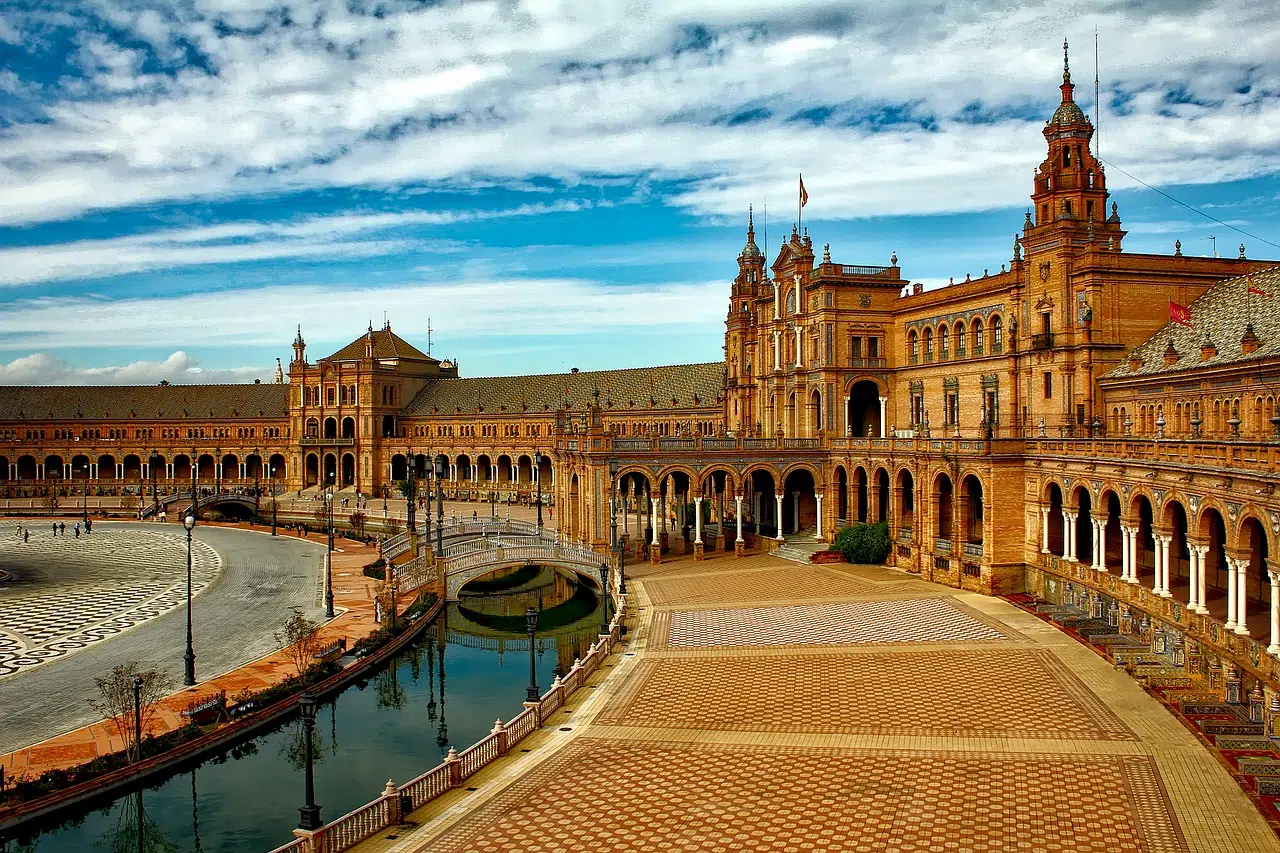
Forget about cold weather, because at the beginning and end of winter, i.e., March, street-side cafés put tables out again, and tasting your way around Spain through a good Tapa Bar should be on your list of things to do. Places to visit in Seville city include the 15th century Seville cathedral and memorising Alcázar. In addition, Seville city does an exceptional job of festivals, cultural events, and Christmas markets, therefore easily pleasing those who plan a visit to Spain.
2: Travel to Beautiful Madrid – Capital of Spain
Ah, take a winter trip to Madrid city, Spain’s capital. Temperatures during winter in Madrid tend to fall to around a cool 6 to 10 Celsius; however, chances of snow are 50 / 50. Regardless, Madrid city remains an incredible place to travel in Europe and Spain because of the diversity that intrigues everyone irrespective of age or nationality. Stay or visit during December and ride the Christmas bus from Madrid’s Salamanca neighbourhood.
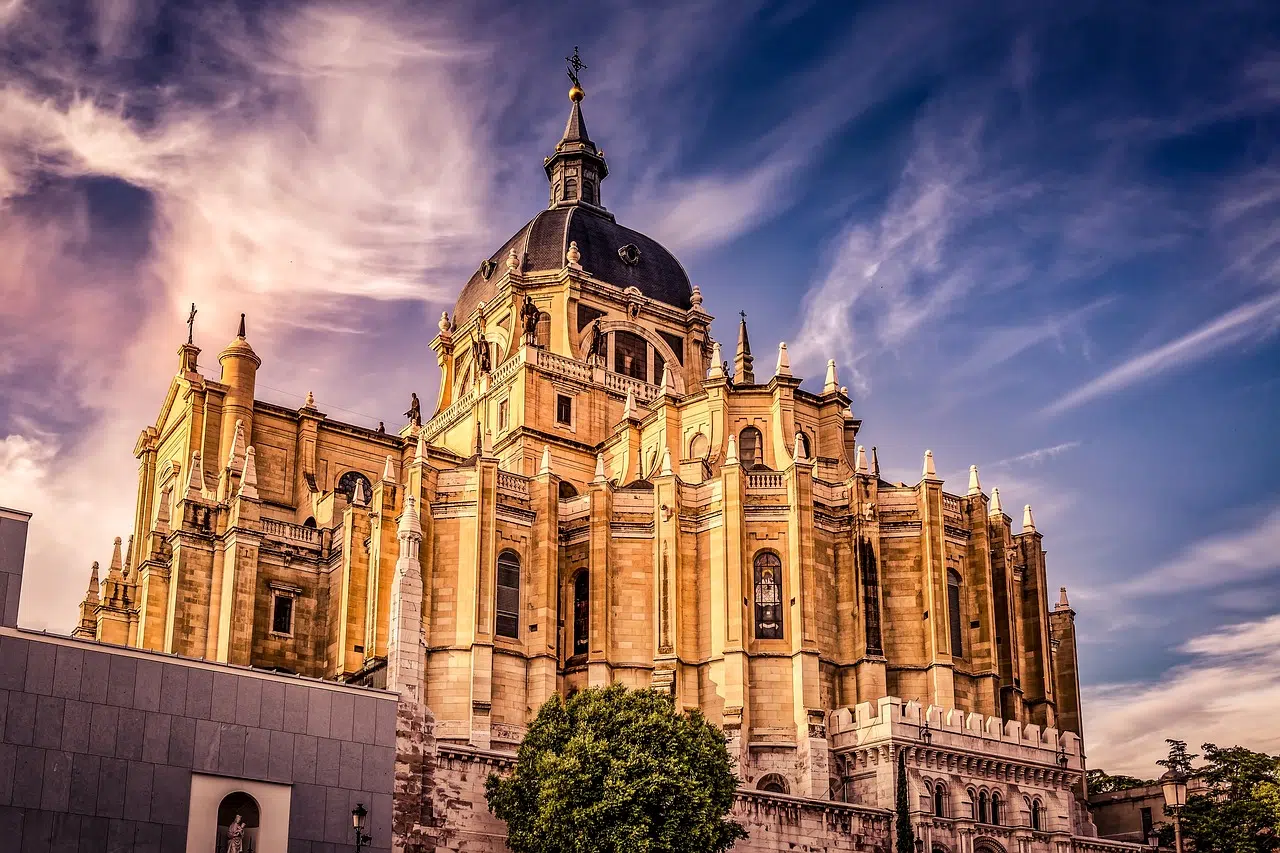
To enjoy the best of snowy mountains and sun simultaneously, travel to Puerto de Nacacerrada ski resort in the beautiful Sierra de Guadarrama Mountain range. The old plaza mayor of Madrid holds a delightful Christmas market to walk around and buy family and friends presents, otherwise enjoy a stroll in Retiro Park. Whether staying in the Madrid centre or enjoying a weekend getaway, the city delivers as one of Spain’s best summer and winter places.
3: Great Food in Barcelona
Barcelona, a place equally exquisite as Seville, offers a delightful town district, and cultural activities alongside a vibrant nightlife and shopping scene worthy of Europe’s honour. Not only do holidaymakers beat crowds in Barcelona during winter months, but they enjoy blue skies and the sun shining through. Other reasons to travel to Barcelona for your winter destination in Spain include touring the old Gothic Quarter and the Sagrada Basilica site.
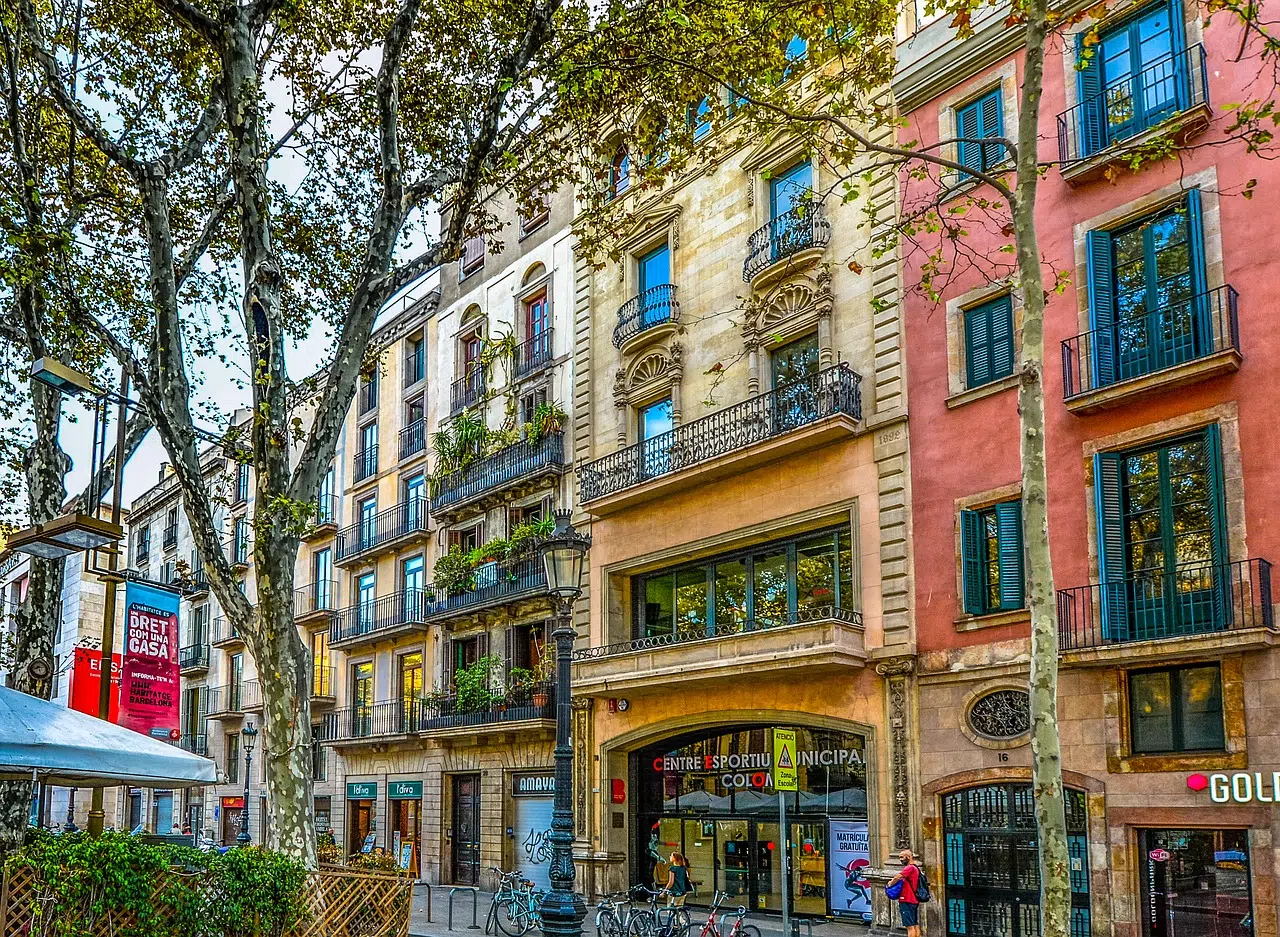
In addition, Barcelona does regional Spanish food with a twist that makes this part of Spain a culinary journey. Visit Boqueria food stalls, indulge in the annual mushroom festival and chestnut seasons, lick your lips at chocolate and churros, then taste Calcots, a kind of BBQed onion/leek dipped into a Romesco sauce. Anyone who spends the winter months, or Christmas and New year in Barcelona, will undoubtedly have a good time.
4: Winter holidays and Sun in Granada
Even if you don’t stay during the warmer winter months, visit Granada for a weekend. Sitting at the foot of Spain’s snowy Sierra Nevada Mountain range, temperatures in Granada get cold, but this means you are just an hour’s drive away from Spain’s most famous skiing resort.
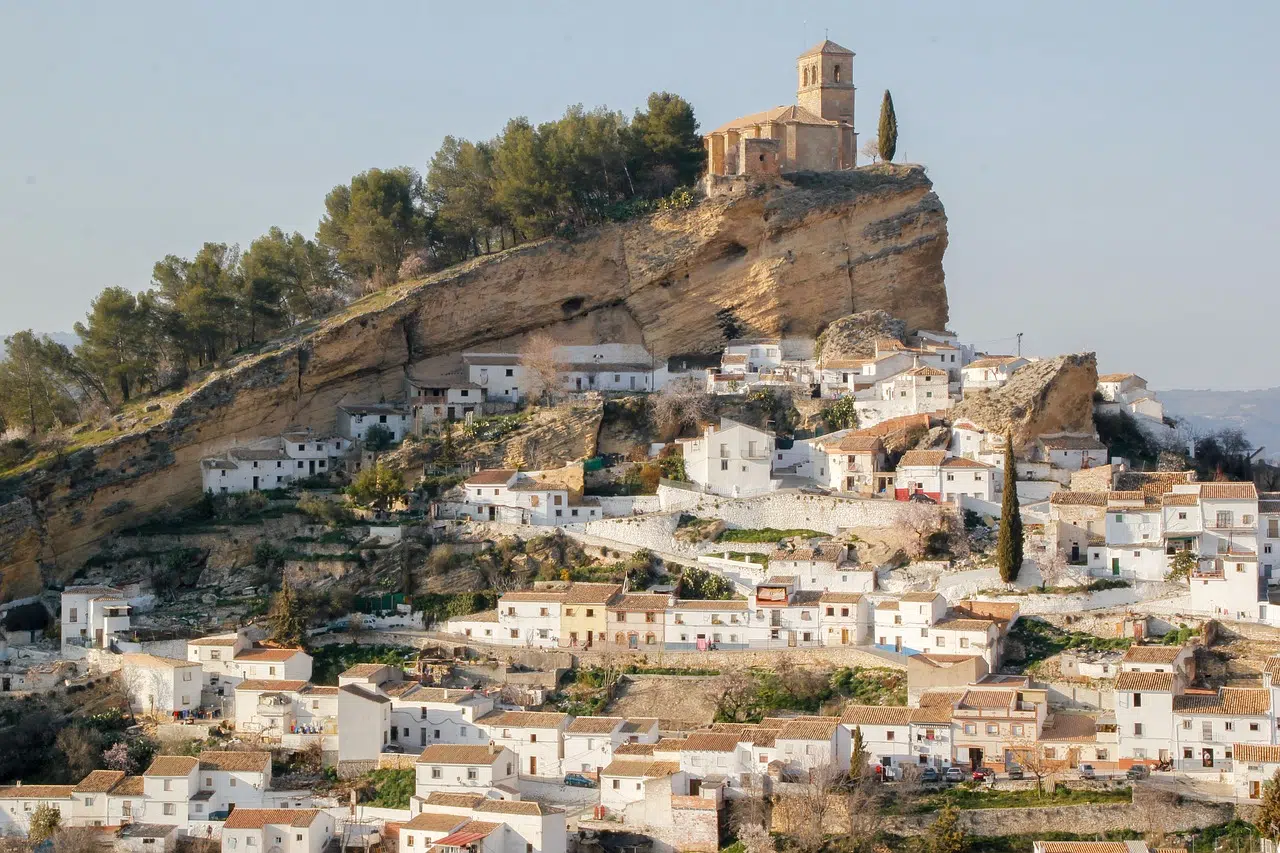
Granada offers delicious Spanish tapas and stunning views worthy of gracing any Instagram account. To explore, visit Alhambra Palace, one of Spain’s most popular tourist attractions, and enjoy walking around Granada cathedral. Flamenco caves and Albaicin district should also be on your list. In winters, curious explorers hire cars to find small coastline, fishing villages or travel to enjoy nativity scenes and Christmas fairs.
5: Canary Islands of Spain in Winter
Depending on which Canary Island you travel to, pretty places sitting off the mainland are ideal for swimming in the sea, sunbathing, and relaxing on the beach during the winter months. Overall, we prefer the incredible, sunny Canary Islands of Tenerife and Gran Canaria, but if you do head there, southern parts, rather than Northern, hold the warmest winter temperatures.
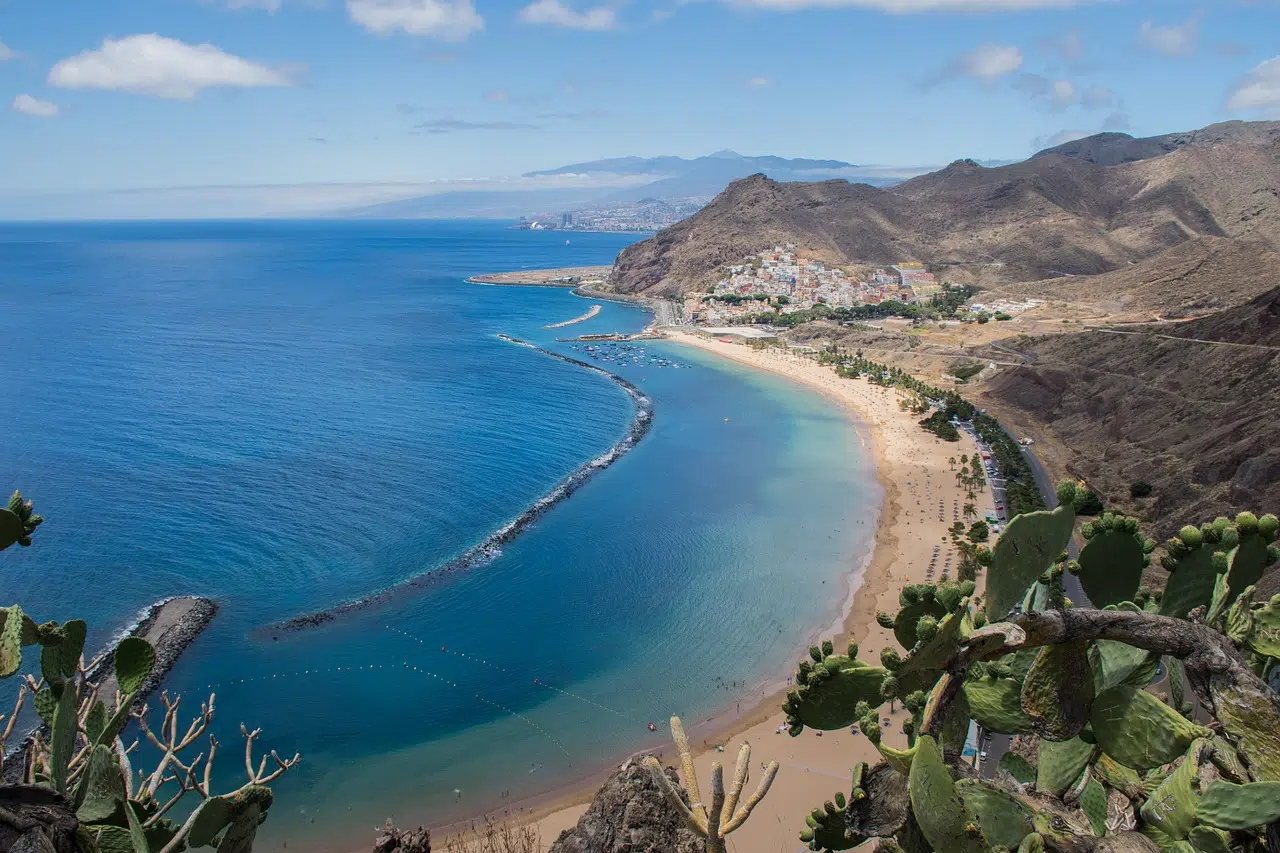
Offering average high temperatures of around 20 Celsius with little chance of rain, it is pretty hard to believe a place on earth features this perfect type of warm winter weather and temperatures. Think 3,000 houses of sunshine a year to understand the beach lure and why many foreigners own new holiday homes and live there in the sunny Canary Islands all year round. Although the gorgeous Canary Islands offer delightful cultural heritage attractions and old towns to explore, those who love outdoor sports also enjoy this winter destination.
6: Visit the Interesting Costa del Sol During Winter
The pretty and large Costa del Sol area is Europe’s top travel place for new foreign house sales and outside winter tourism. Warm winter climate conditions from December to February are a big lure to buy a house and live in Spain all year round. With a perfect 320 days of sunshine a year, average daytime temperatures rank about 18 degrees, whereas night times rarely fall below 5 degrees. Suppose life outdoors and beautiful beaches are what you seek from Spain in winter, Costa del Sol delivers.
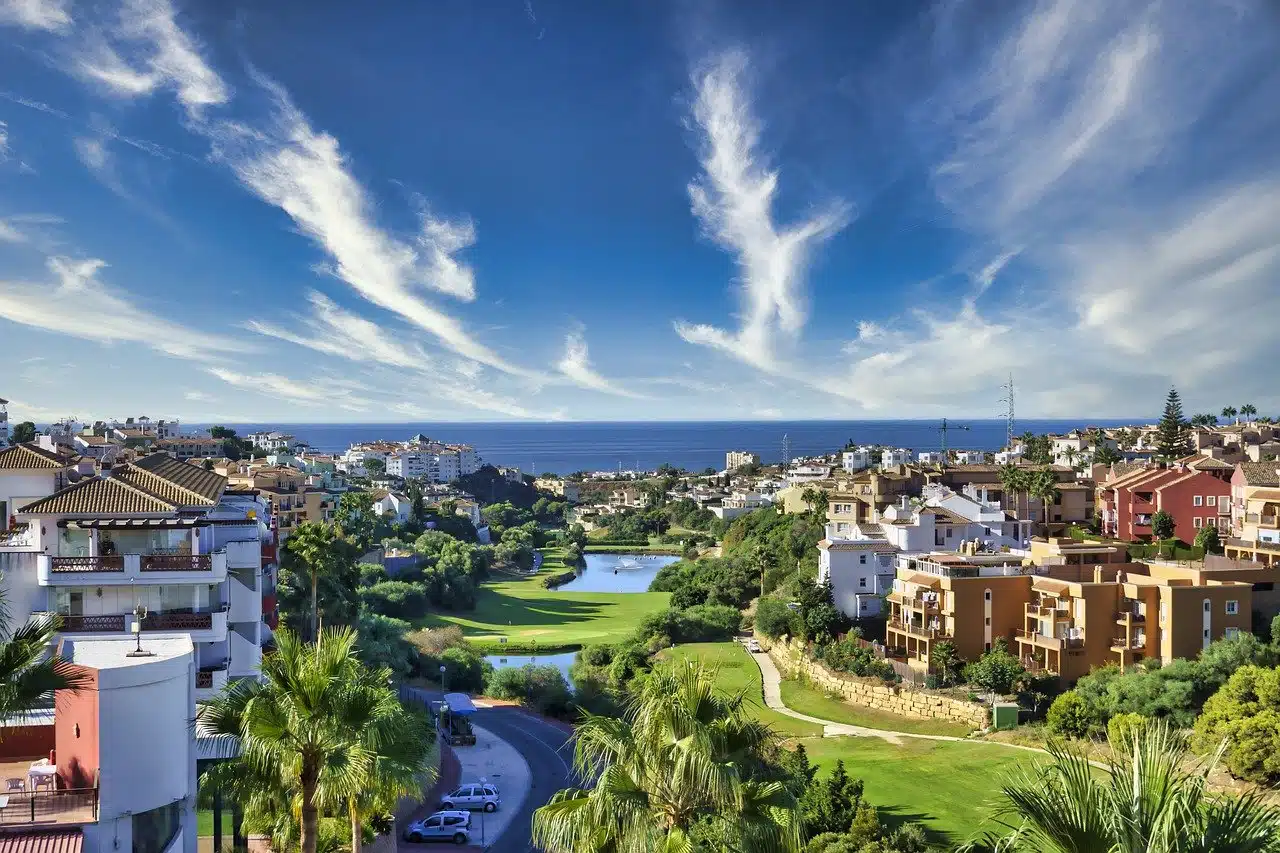
The Costa del Sol, a top golfing destination, features beachside cafés, parks, vibrant shopping, and nightlife scenes. We also recommend hiring a car to get to know the Costa del Sol region off the beaten track by visiting beautiful places like Mijas, Frigiliana and Rhonda. Puerto Banus is also ideal for visitors who want luxury accommodation during winters in Spain. Otherwise, Spain’s Estepona destination holds a delightful Christmas fair. More about the Costa del sol during warm winters and summers.
7: Travel to Almeria
Belonging to the unique Andalusia region, Almeria gives up perfect daytime, high temperatures from December and January onwards of around 20 degrees. During winter, beach holidays are a rarity and see fewer travel crowds, yet exquisite white sands and the best views easily attract admirers. Since Almeria is one of Spain’s hottest places to visit, winter often sees cycling trips take off, and many people arrive to explore winding roads on two wheels.
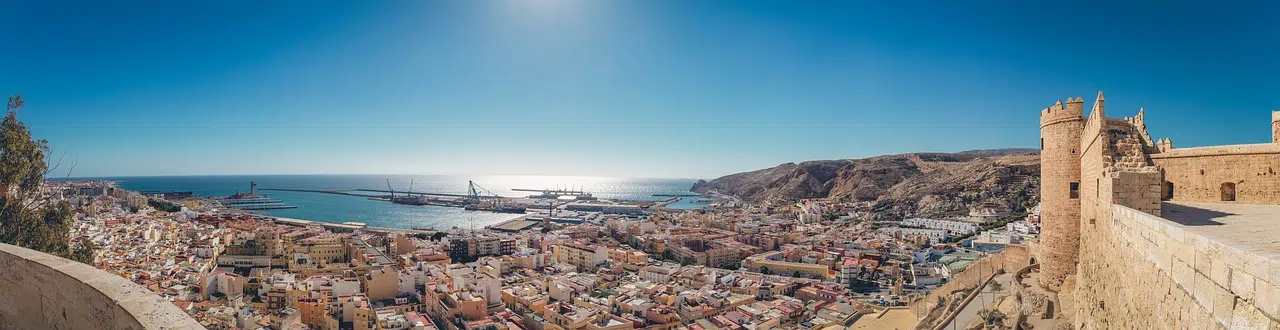
Sitting on Spain’s southeast, Mediterranean coast, foreigners often overlook excellent Almeria for a winter day trip. But many bars give free tapas when ordering drinks, and uniquely, Almeria’s desert was a filming playground for many famous western movies. Otherwise, head to Cabo de Gata Nijar National Park for a good time and unbeatable winter photos to remember your travel time in Spain.
8: Beautiful Murcia Portraying Spain in Winter
Partly burrowed between the Sierra de Orihuela and Cresta de Gallo Mountain range is Murcia, on Spain’s southeast coast and the Iberian Peninsula. As another overlooked holiday destination of Spain, Murcia offers mild winter daytime temperatures from December to March that easily lures anyone looking to escape freezing winds, cold days, and grey skies. Belonging to Costa Calida, swimming in Murcia during the winter months is unheard of, but residents and tourists enjoy many beachside cafés with fantastic sea views.
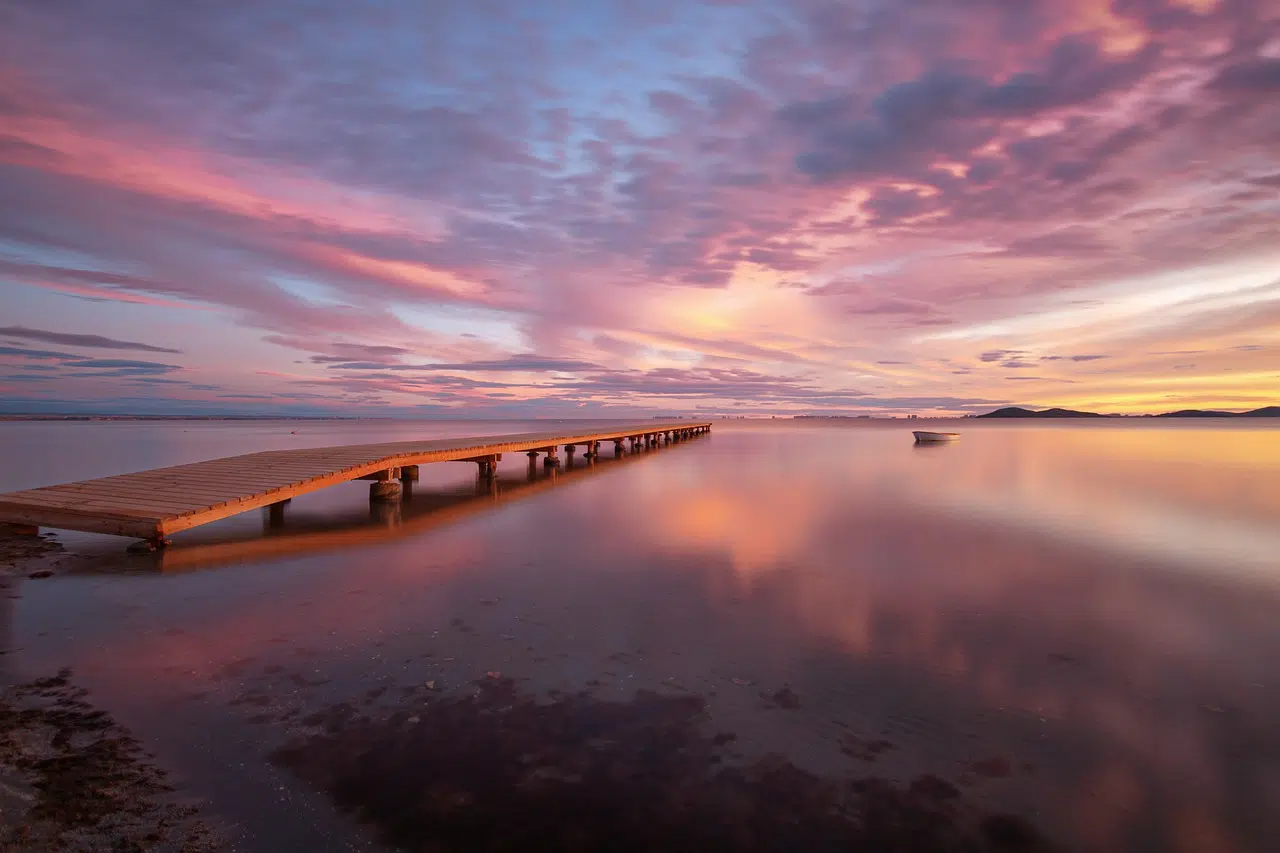
The Spanish towns of Aguilas and Puerto de Mazarron in Murcia are both famous, and tourists, regardless of how long they stay in Spain, enjoy various things to do. Thanks to different Mediterranean architectural styles, the Cathedral de Santa Maria is the most cultural landmark, but southern Murcia has many green spaces, parks, and gardens. If you plan a visit to Murcia in winter, enjoy cheaper accommodation costs. More about Murcia in Spain.
9: Walk Around Malaga
Southern Malaga‘s population increases with every passing month as it receives a significant number of winter visits to local cultural and European touristic charm. When it comes to a sunny winter day to central Malaga in southern Spain, think of historical landmarks, the Spanish Film Festival, Pablo Picasso art museum, Alcazaba, Gibralfaro Castle or the Cathedral, art, tourism, beaches, and sun.
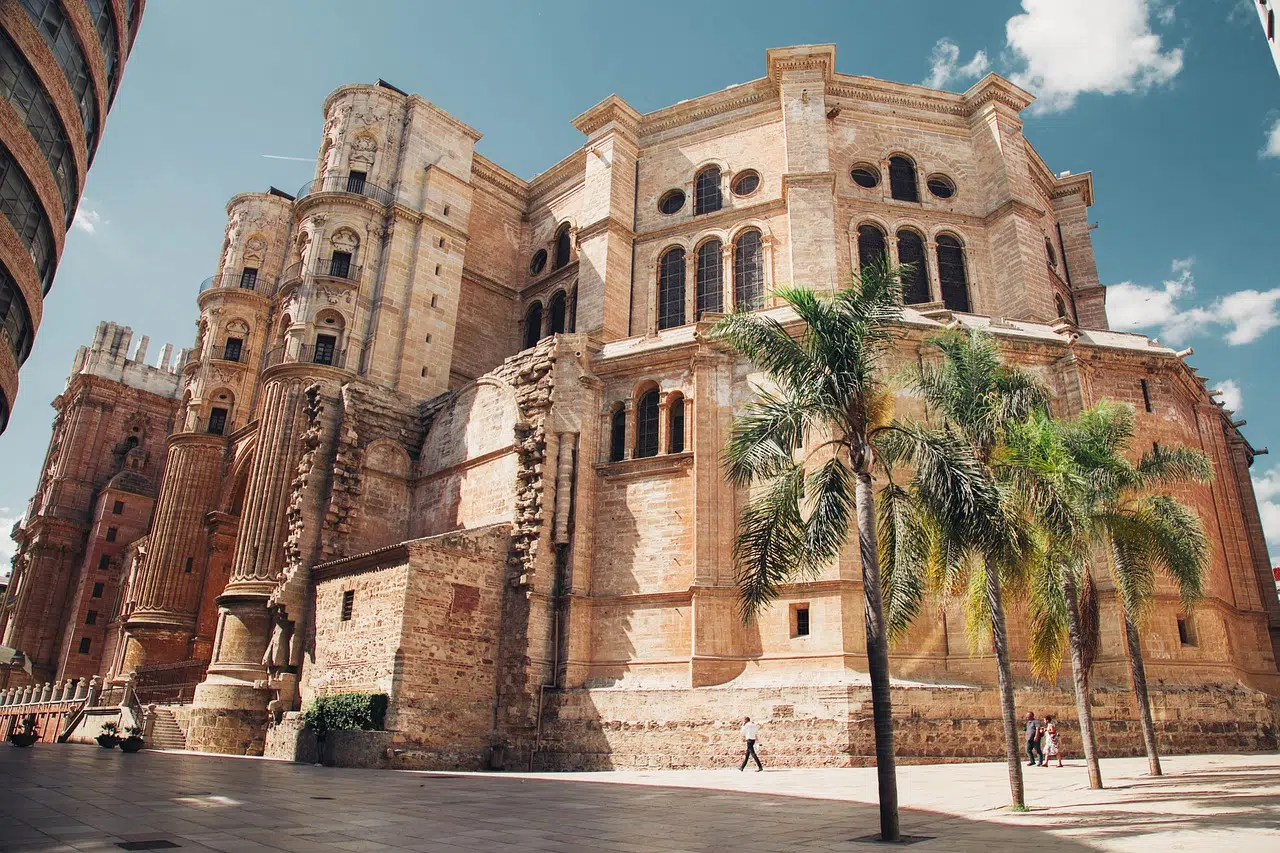
Alameda, Larios, Alcazabilla streets, Chinitas passage, the refurbished Albeniz cinema theatres, and Plaza La Merced form significant streets for exploration. Visitors to Malaga in winter, the Costa del Sol’s capital, enjoy nice weather, and try a wide gastronomic variety, from plenty of beach bars and tapas bars to traditional cuisines and restaurants to suit all tastes. More about Malaga in Spain.
Also, About Spain
Places to Buy Property: Anyone looking to buy a property or spend time in Spain has a wide choice of locations. Having been a firm holiday destination for Brits and other nationalities over many decades, towns, cities, and small coastal resorts all over Spain bring something unique to the international real estate industry.
Area Guides: Spain is one of Europe’s most popular destinations, and if you enjoyed this article about the best places to spend winter in Spain, read our area guides that talk more about specific locations in the south like Seville, Murcia, the Sierra mountains, and other destinations.
About Us: We are Spot Blue, and we give a first-class service to valued clients who want to purchase land or property in Europe, including Spain. Established in 2003, we are an award-winning company and often quoted by leading international newspapers and news channels in Europe. We have taken all our local knowledge and experience to form our blog about Spain that talks more about everything Spanish, like culinary delights buying a home, weather, culture, and the best places.